Tools
Bird ID Helper
Describe a bird and get possible matches, the field marks to check, and how to attract it.
How to identify the birds in your yard, plus a quick reference to what common backyard species eat, which feeders they use and where they nest.
Start with size and shape, then color pattern, behavior, habitat and sound. Our guides walk through each step. The Bird ID Helper suggests possible matches from a description.
Describe a bird and get possible matches, the field marks to check, and how to attract it.
Size and shape, color pattern, behavior, habitat and sound: the framework that makes bird ID click.
Winter finches, spring migrants, summer fledglings and fall arrivals, with feeding tips for each season.
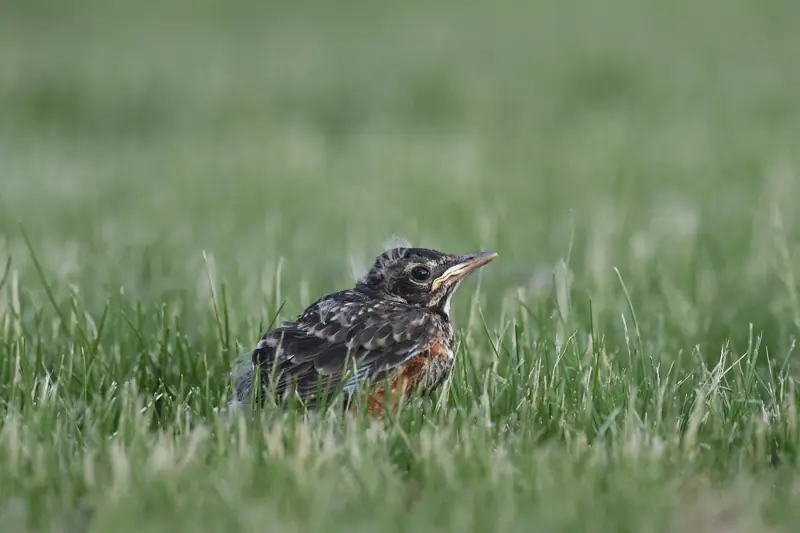
Short tails, fleshy gapes, spotted breasts and begging: how to recognize the young birds of late summer.
What common eastern and central North American backyard birds eat, which feeders they use and how they nest. Follow the links for full attraction guides. Species details follow All About Birds and Project FeederWatch.
| Bird | Top foods | Feeder | Nesting | Guide |
|---|---|---|---|---|
| Northern cardinal | Safflower, sunflower | Hopper, platform | Dense shrubs | Attract cardinals |
| Hummingbirds | Nectar, small insects | Nectar feeder | Tiny cup on a branch | Attract hummingbirds |
| Bluebirds | Mealworms, berries | Dish / bluebird feeder | Nest box (1½″ hole) | Attract bluebirds |
| American goldfinch | Nyjer, sunflower chips | Finch tube, mesh | Shrubs, late summer | Attract goldfinches |
| Woodpeckers | Suet, peanuts, sunflower | Suet cage, tail-prop | Excavated cavities | Attract woodpeckers |
| Blue jay | Peanuts, sunflower, acorns | Platform, hopper | Stick nest in trees | Attract blue jays |
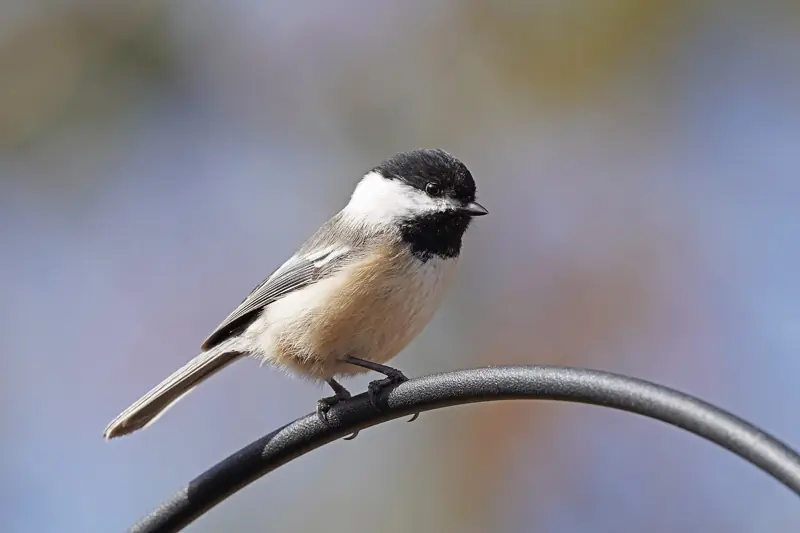
| Chickadees & titmice | Sunflower, peanuts, suet | Tube, hopper, suet | Cavities; nest box (1⅛″ hole for chickadees) | Nest boxes |
| Baltimore oriole | Oranges, grape jelly, nectar, insects | Oriole feeder, fruit spike | Hanging woven nest in tall trees | Fruit & jelly |
| Wrens (Carolina, house) | Insects; suet, mealworms | Suet, dish | Cavities, nest boxes, odd nooks | Nest boxes |
| American robin | Earthworms, insects, berries | Rarely feeders; mealworms, fruit | Cup nest on ledges/branches | Bird baths |
| Mourning dove | Millet, sunflower, cracked corn | Ground, platform | Flimsy twig platform | Seed chart |
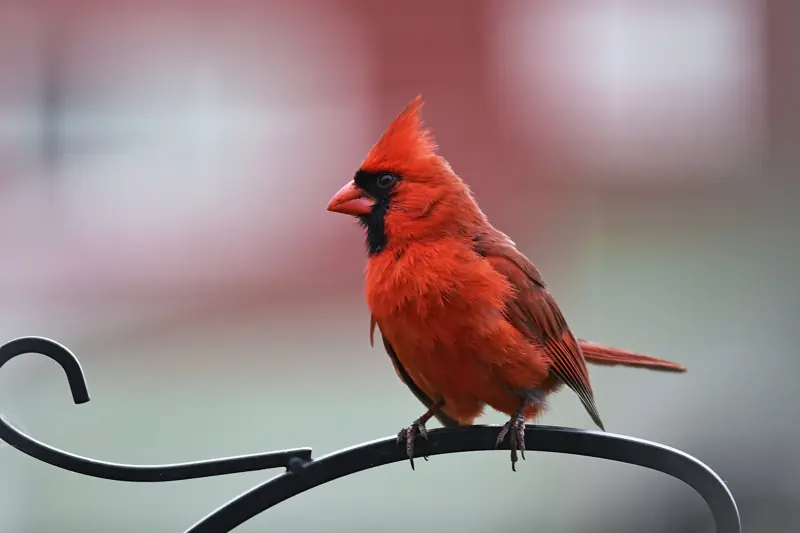
Safflower, sunflower, a feeder with a wide perch and dense cover nearby: what northern cardinals need.
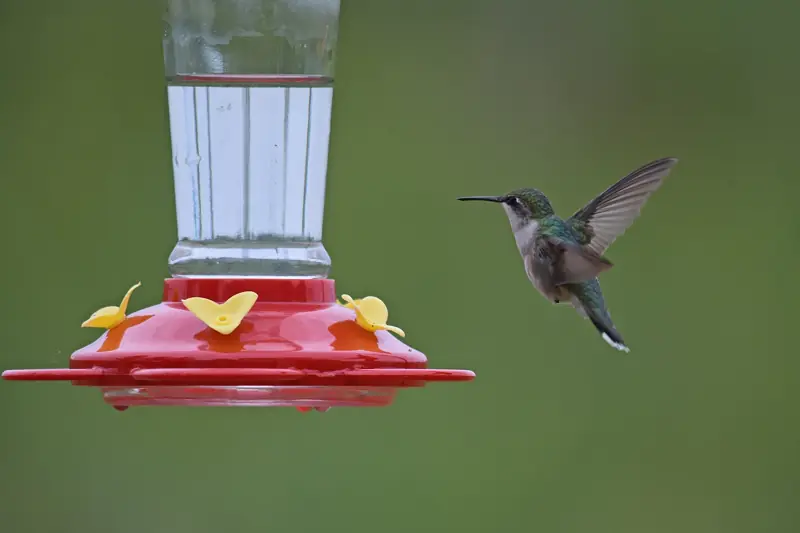
Nectar, native flowers, perches and timing: how to bring hummingbirds in and keep them coming back.
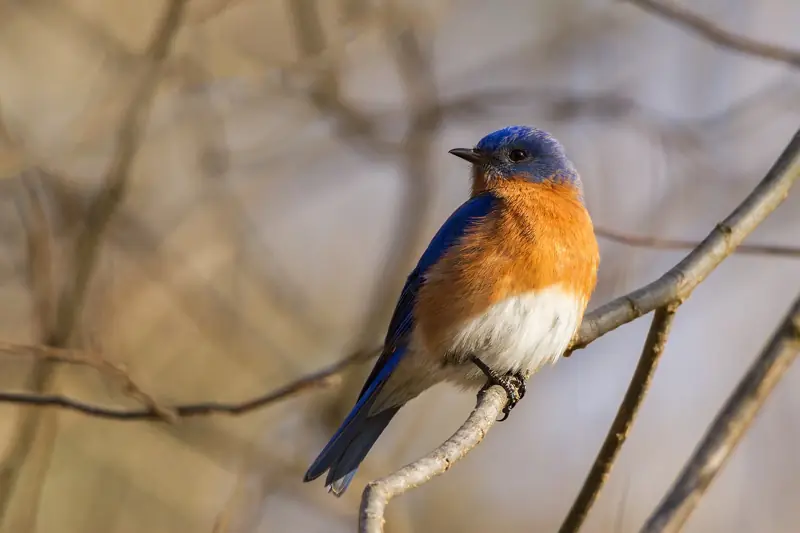
Mealworms, berry plants, open lawn and the right nest box: what bluebirds need.
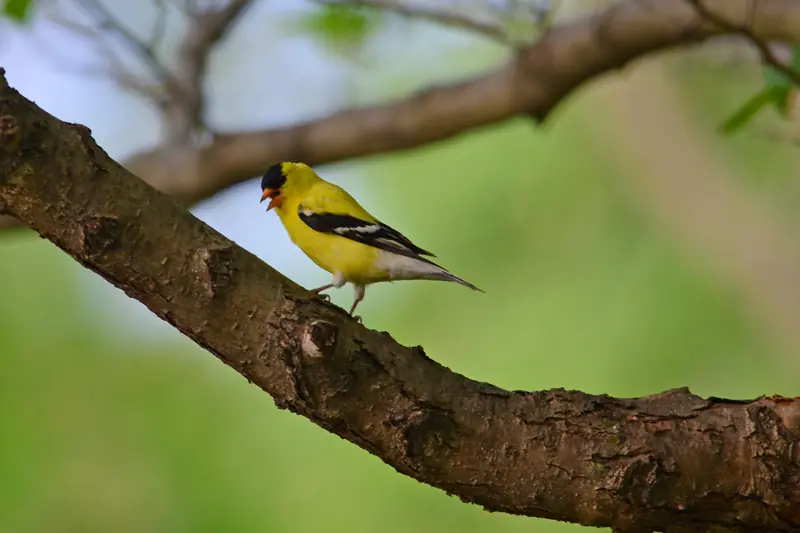
Fresh nyjer, sunflower chips, finch feeders and seedheads: how to attract goldfinches.
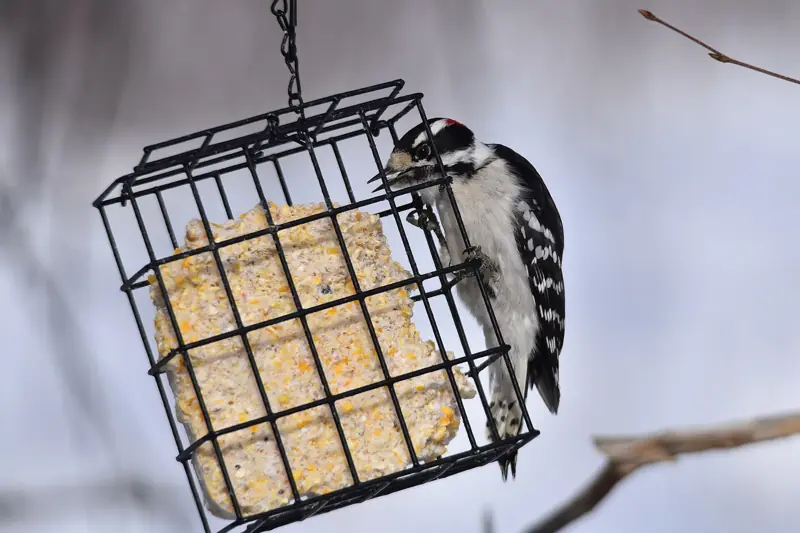
Suet, peanuts, tail-prop feeders and dead wood: how to attract backyard woodpeckers.
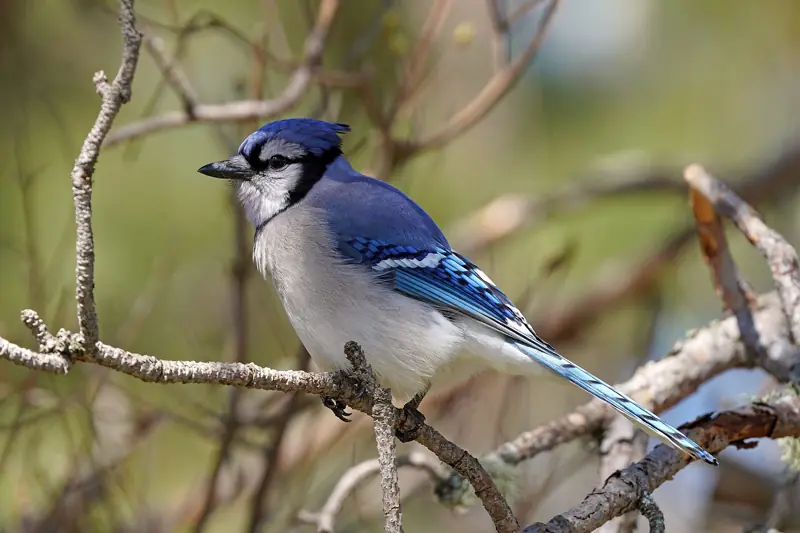
Peanuts, platform feeders and oaks, plus how to keep jays from crowding smaller birds.
You don’t need expensive gear to identify backyard birds, but two tools make it much easier:
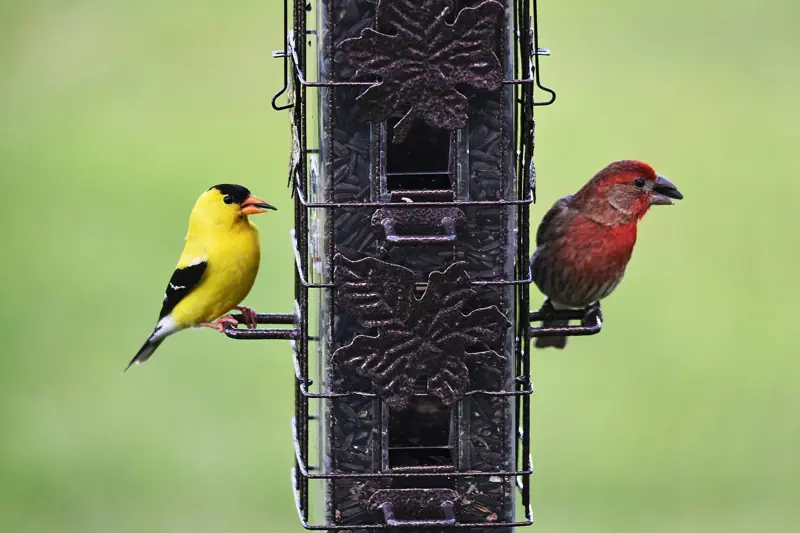
Ten proven changes to attract more birds, plus guides for cardinals, bluebirds, goldfinches, woodpeckers and more.
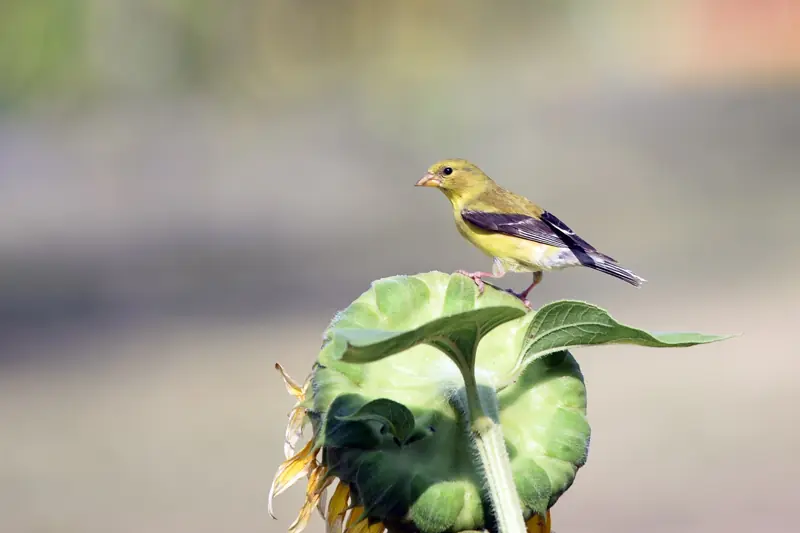
Seed, suet, mealworms, nectar and fruit: what to buy, what to skip and how to store it.
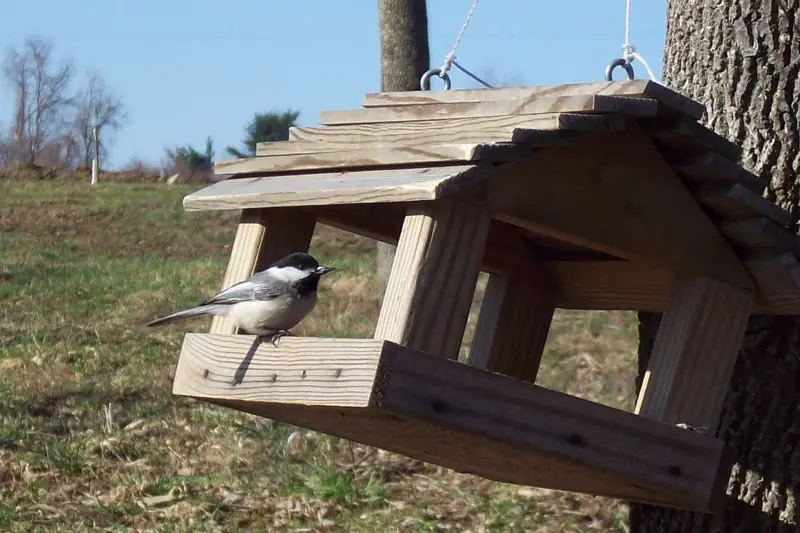
Tube, hopper, platform, suet, nyjer, hummingbird, window, squirrel-proof and smart feeders compared.
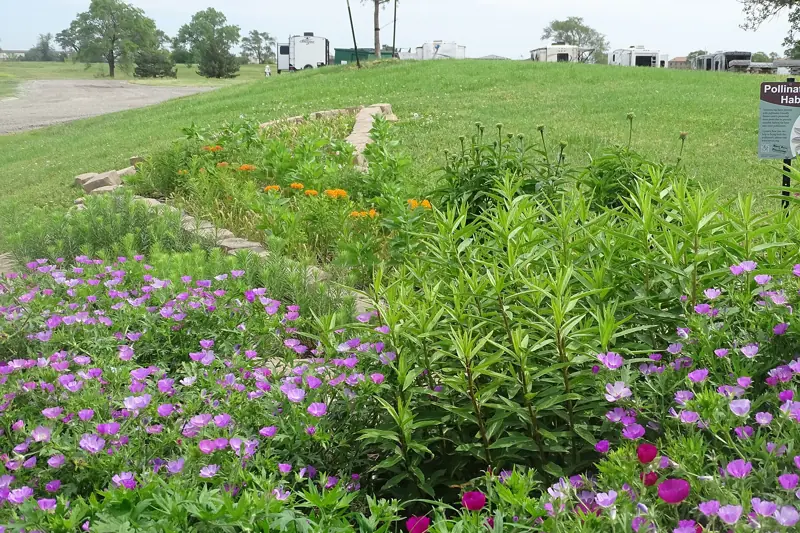
Native plants, water, shelter, nest sites and safety: a step-by-step plan for a yard birds rely on.
Describe a bird and get possible matches, the field marks to check, and how to attract it.
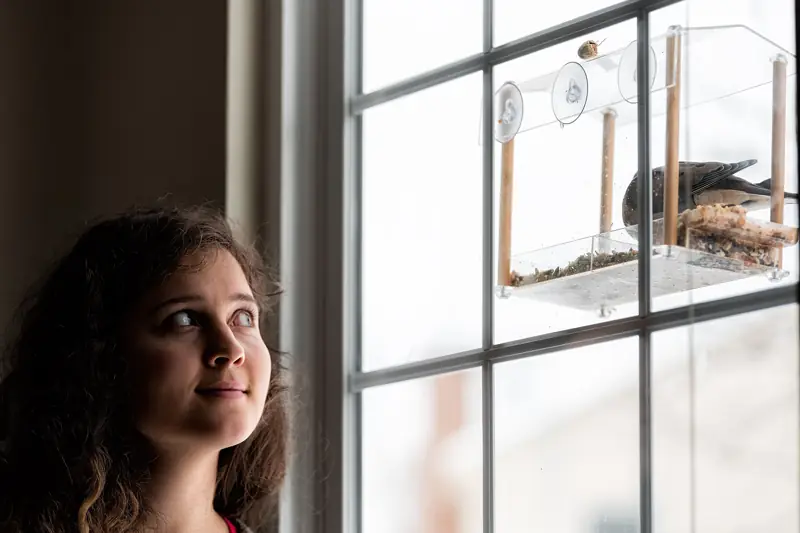
Camera feeders, apps and photography guides: what technology adds to backyard birding and what it costs.