How to Identify Backyard Birds: A Beginner’s Guide
Five things to notice, in order, turn most “what was that?” moments into a confident ID.
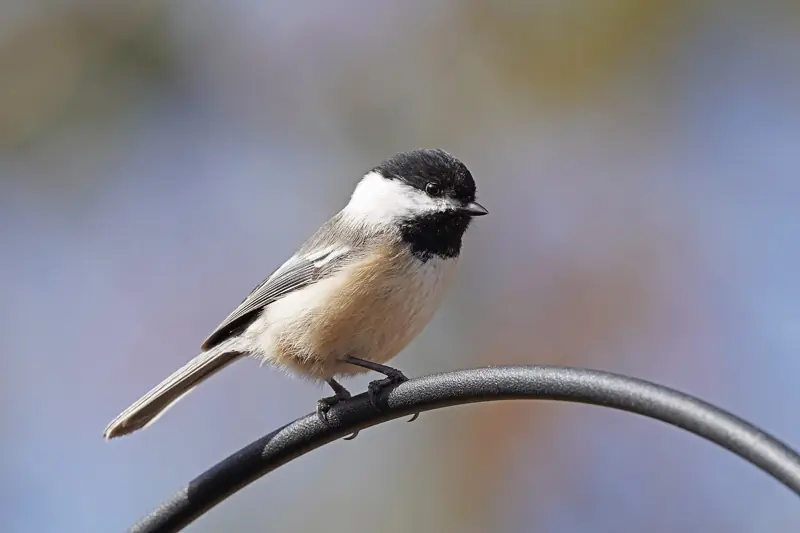
Most beginners stare at color first and flip through a field guide hoping something matches. Experienced birders work differently. They note a handful of features in a rough order and narrow the possibilities as they go. The Cornell Lab teaches a similar approach. These five field marks will get you to a confident ID for most backyard birds.
The 5 Key Field Marks
1. Size and Shape
Before you look at color, estimate size relative to birds you already know. Birders use mental benchmarks: sparrow-sized, robin-sized, crow-sized. A bird the size of your fist is telling you something very different than one the size of a dinner plate. Shape matters just as much — a thick, seed-cracking bill means something entirely different than a thin, insect-probing one. Notice whether the tail is long or short, whether the neck is thick or slender, whether the body is stocky or slender.
2. Color Patterns and Markings
Don’t just note “it was red.” Note where the red was. Eye rings, wing bars, streaked breasts, solid caps, and colored rumps are the field marks that separate similar-looking species. A gray-brown bird with a brick-orange breast is probably an American robin. A streaky brown bird washed with red on the head and breast is likely a male house finch. A black-and-white bird with a small red patch on the back of the head is likely a downy or hairy woodpecker. The more specific you are, the faster you’ll land on an ID.
3. Behavior
How a bird moves is often its most distinctive characteristic. Nuthatches creep headfirst down tree trunks, which few other backyard birds do. Woodpeckers cling vertically and hitch upward. Goldfinches bound through the air in a roller-coaster flight pattern. Ground-feeding birds like towhees scratch backward with both feet simultaneously. These behaviors are often visible from 30 feet away when color details are hard to see.
4. Habitat and Context
Where you are matters enormously. A bird at your seed feeder in Ohio is from a very different pool of candidates than the same bird at a coastal marsh in Florida. And even within your backyard, microhabitat tells a story: is the bird at the feeder, in the shrubs, on the ground, at the water feature, or at the suet cake? Each preference narrows the field significantly.
5. Sound
Most experienced birders identify more birds by ear than by eye. You don’t need to memorize hundreds of songs right away — start with the birds at your own feeders. Learn the chickadee’s call, the cardinal’s whistle, the goldfinch’s per-CHICK-o-ree in flight. The free Merlin Bird ID app from Cornell Lab can identify birds by sound in real time, which helps beginners enormously.
The Most Common Backyard Birds in North America
Based on Project FeederWatch data from Cornell Lab of Ornithology, here are the species you’re most likely to encounter at a typical backyard feeder across the US:
- Northern Cardinal — brilliant red male, rosy-tinted female; loves sunflower seeds
- Black-capped / Carolina Chickadee — tiny, black cap and bib, white cheeks; bold and curious
- American Goldfinch — bright yellow in summer, olive-yellow in winter; loves nyjer/thistle seed
- Downy Woodpecker — smallest North American woodpecker; black and white with red spot on males
- Dark-eyed Junco — “snowbird” with dark hood and white belly; usually seen in winter
- White-breasted Nuthatch — blue-gray back, white face, creeps headfirst down trees
- House Finch — streaky brown; male has red wash on head and chest
- Mourning Dove — pale tan, small head, long pointed tail; ground feeder
Apps, cameras and field guides
Technology makes learning faster, but treat every automated ID as a suggestion to check:
- Merlin Bird ID (free, Cornell Lab) suggests species from a photo, a sound recording or a few answers about what you saw.
- A regional field guide is still the best way to compare similar species side by side and learn what to look for.
- Camera (smart) feeders photograph visitors and suggest a species. They’re handy for reviewing who came while you were out. Their AI labels are sometimes wrong, especially with females, juveniles and look-alikes, so confirm them. See our smart feeder comparison.
- Binoculars make field marks visible. An 8×42 pair is a common, versatile choice for backyards.
Starting a Backyard Bird List
One of the best habits you can build as a new birder is keeping a simple yard list. You don’t need fancy software — a notebook works fine. Note the date, species, and one observation about behavior. Over time, this list becomes a seasonal record you’ll treasure. Cornell Lab’s free eBird lets you log sightings electronically and contribute to citizen science databases that track bird populations nationally.
If you’re ready to go deeper, our Bird ID Helper lets you describe a bird and get possible matches with the field marks to check. It’s useful for those “what was that?” moments at the window.
Keep exploring
Backyard Birds: Identify Them and Learn What They Need
Identification basics plus a quick reference to what common backyard birds eat and need.
Bird ID Helper
Describe a bird and get possible matches, the field marks to check, and how to attract it.
What Birds to Expect Each Season at Your Feeder
Winter finches, spring migrants, summer fledglings and fall arrivals, with feeding tips for each season.
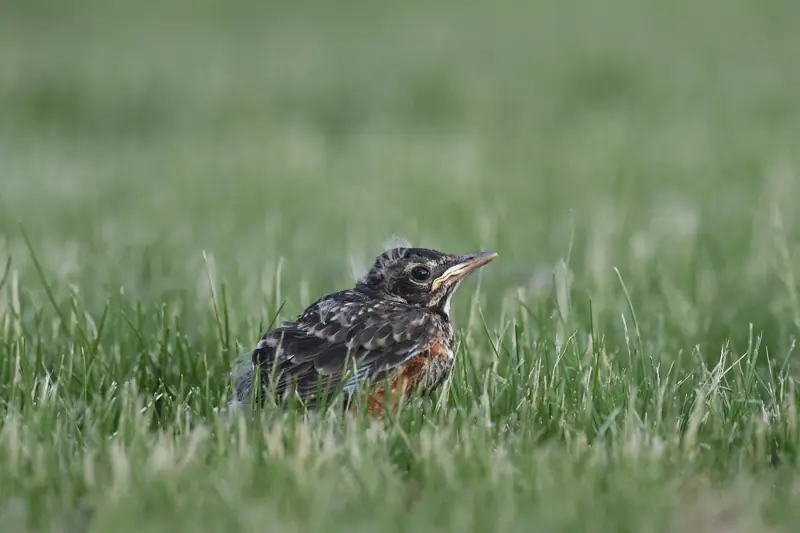
Juvenile Bird ID: How to Recognize Young Backyard Birds
Short tails, fleshy gapes, spotted breasts and begging: how to recognize the young birds of late summer.
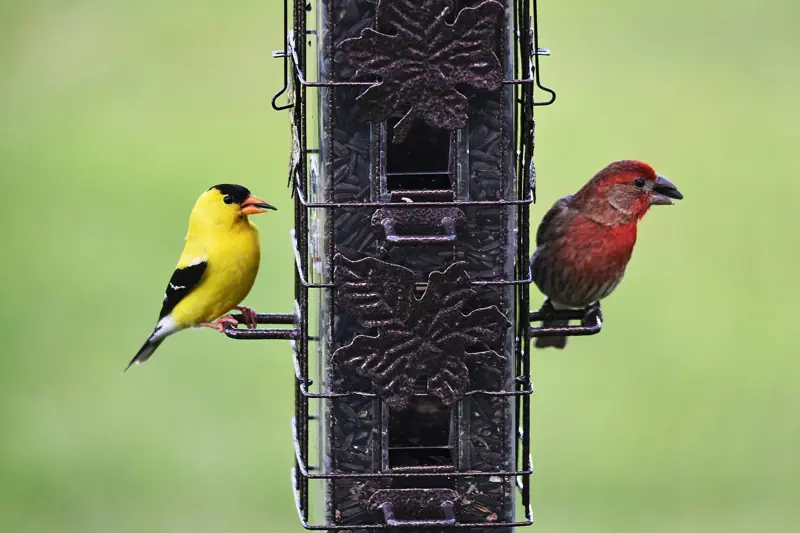
How to Attract More Birds to Your Yard
Ten proven changes to attract more birds, plus guides for cardinals, bluebirds, goldfinches, woodpeckers and more.
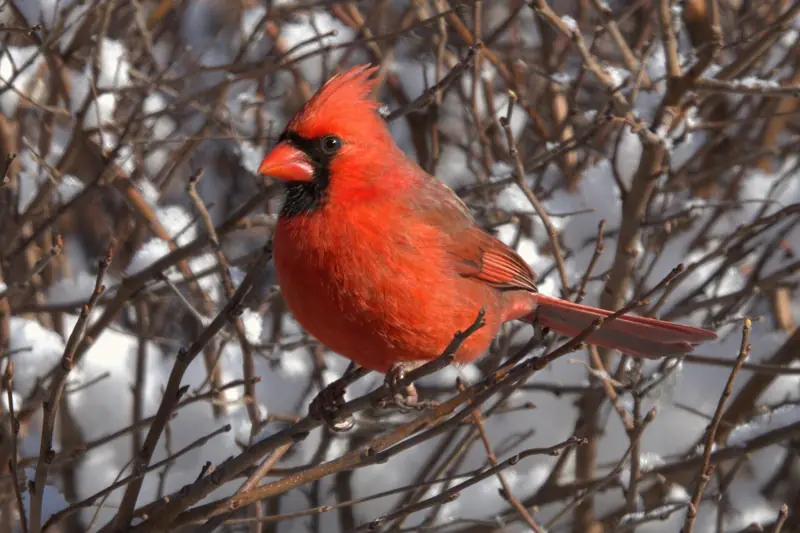
Backyard Bird Photography for Beginners
Light, shutter speed, focus modes and perch setups for sharper feeder photos, with a phone or a camera.