Hummingbird Feeder Guide: Nectar, Feeders, Placement & Cleaning
Feeder choice matters less than you’d think. Fresh nectar and easy cleaning matter more.
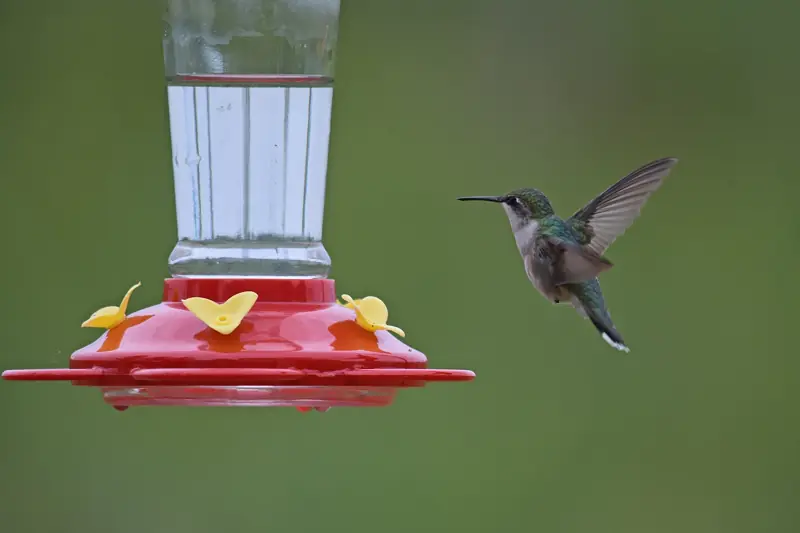
A hummingbird feeder is simple equipment with one demanding job: serving sugar water that doesn’t spoil. This guide covers the nectar recipe, feeder styles, placement and a cleaning schedule based on temperature.
Which Hummingbird Species Will Visit Your Yard?
East of the Great Plains, the ruby-throated hummingbird is the only species that breeds regularly. In the West, Anna’s hummingbirds live year-round along the Pacific coast. Rufous hummingbirds breed in the Pacific Northwest and pass through the Rockies in late summer. If you’re in Texas or Arizona, you may see Black-chinned, Broad-tailed, Calliope, or a range of Mexican species in season. The setup guidance below works for all North American hummingbirds — the nectar formula and feeder design needs are the same across species.
The nectar recipe
Homemade nectar is cheaper, fresher, and better for hummingbirds than bottled commercial nectar. The formula is simple:
1 part white granulated sugar : 4 parts water
That’s it. The Audubon Society and Cornell Lab both confirm this ratio and warn against the same additives listed below. Dissolve the sugar in hot tap water (it doesn’t need to boil), let it cool completely, and fill the feeder. This ratio — approximately 20% sugar solution — closely mimics the sucrose concentration of the flowers hummingbirds prefer.
What to Avoid
- Red dye: Never add red food coloring. It’s unnecessary (the red on most feeders is sufficient to attract hummingbirds) and there are legitimate concerns about its effects on birds.
- Honey: ferments quickly and encourages fungal growth. Don’t use it.
- Brown sugar, raw sugar, or artificial sweeteners: None are appropriate. White granulated sugar only.
- Stronger mixes: not needed. 1:4 is close to natural flower nectar, and richer mixes spoil and crystallize faster.
- Nectar products with additives: added “vitamins” or preservatives offer no demonstrated benefit. Hummingbirds get protein from insects. Plain sugar water is enough.
Choosing a Hummingbird Feeder
The hummingbird feeder market is flooded with cheap plastic options that look fine initially but become impossible to clean properly within a few months. Prioritize cleanability and durability over price.
Saucer (Dish) Style Feeders
Saucer feeders have a shallow dish reservoir with ports on top. They’re the easiest to clean — just two parts that come apart completely — and they don’t drip. The downside: smaller capacity than bottle-style feeders, so they require more frequent refilling in a busy yard.
Bottle (Inverted) Style Feeders
The classic inverted bottle style holds more nectar and looks attractive, but the seams and narrow necks of cheap versions are nearly impossible to scrub clean. If you go this route, buy one with a wide-mouth bottle and a fully removable base that can be scrubbed with a brush. Ant moats (a water-filled cup above the feeder that prevents ants from walking down the hanger) are especially important for inverted feeders.
What to Look For
- Fully disassembles for cleaning — no permanently sealed parts
- Red-accented design (not a painted-on finish that wears off)
- Capacity of 8–16 oz for most yards (larger feeders mean longer intervals between refilling but also more waste if the nectar goes bad)
- Built-in or compatible ant moat
- UV-stable plastic or glass construction
Feeder styles worth buying
These are research-based picks by feeder style, not a hands-on ranking. We looked at how each design is cleaned, whether it resists leaks, bees and ants, and recurring themes in owner reviews. Capacity and port counts vary by model, so check the current listing.
Easiest to clean
Saucer-style feeders (e.g., Aspects HummZinger, First Nature saucer feeders)
A shallow base with a snap-on lid. Nectar sits below the ports, so saucers rarely drip and bees have a harder time reaching the nectar. Several HummZinger models include a built-in ant moat. The trade-off is lower capacity, which matters little because you should change nectar often anyway.
Best for busy yards
Wide-mouth bottle (inverted) feeders
Classic glass or plastic bottles hold more nectar and look traditional. Choose one with a wide mouth and a base that fully comes apart. Narrow-necked bottles are hard to scrub. Add an ant moat if the model doesn’t have one.
Best for close views
Window-mount hummingbird feeders
Small suction-cup feeders put hummingbirds within a few feet of the glass. That gives great views, and the short distance means window strikes happen at low speed. They are small, so plan on frequent refills.
Feeder Placement
Hummingbirds are territorial, especially females guarding a nectar source. Placement affects how many individual birds you see and how much fighting happens at the feeder.
Location Rules
- Partial shade: Direct sunlight accelerates nectar fermentation. Morning sun with afternoon shade is ideal; full shade can work but reduces feeder visibility.
- Near red or orange tubular flowers: Native salvias, cardinal flower, trumpet vine, and coral honeysuckle are hummingbird attractants. Planting them nearby gives hummingbirds a reason to linger.
- Close to a perch: Hummingbirds rest frequently between feeding bouts. A thin branch or wire within a few feet of the feeder gives them a resting spot.
- Visible from inside: Place where you can observe from a comfortable window — the whole point is to watch them.
- Window safe distance: Same rule as other feeders — within 3 feet or more than 30 feet from any large window.
Managing Territorial Aggression
If one dominant hummingbird is chasing all others away from a single feeder, hang 2–3 feeders in different parts of the yard, out of visual line from each other. A single bird can’t guard multiple feeders simultaneously, so more birds get to feed.
Nectar Freshness and Cleaning Schedule
This is the part most beginners get wrong. Sugar water ferments and grows mold quickly in heat, and spoiled nectar can make birds sick. Change it more often the warmer it gets:
- Above 90°F: Change nectar every 1–2 days; clean the feeder each time
- 70–90°F: Change nectar every 2–3 days; clean every other change
- Below 70°F: Change nectar every 4–5 days; clean weekly
Signs of bad nectar: cloudy appearance, visible black or white mold in the ports or reservoir, or a fermented/sour smell when you open the feeder. When in doubt, change it.
How to Clean a Hummingbird Feeder
- Empty and disassemble completely
- Rinse all parts with hot water
- Scrub reservoir with a bottle brush; use small port brushes for ports
- For mold or residue: soak in a 1:10 bleach solution for 1 hour, then rinse thoroughly at least 5 times
- Let air dry completely before refilling
Hot water and a brush handle routine cleaning. A 1:4 white-vinegar solution works for light residue. If you use dish soap or bleach, rinse until no smell remains.
When to Put Out and Take Down Your Feeder
For Ruby-throated Hummingbirds (eastern US): put feeders out 1–2 weeks before your average first arrival date. In most of the eastern US, that means late April to early May. Keep feeders up until 2 weeks after the last hummingbird sighting in fall — typically mid-to-late October in the north, later in the south.
The myth: leaving feeders up in fall delays migration. This is false — hummingbirds migrate in response to daylight changes, not food availability. Keeping feeders up helps late migrants fueling for their long journey.
For Anna’s Hummingbirds (Pacific coast and Southwest): many individuals are year-round residents and feeders can be left up year-round. In cold snaps, bring feeders inside overnight to prevent nectar from freezing.
Watching and recording visits
A window-mount feeder is the simplest way to see hummingbirds up close. Camera feeders designed for hummingbirds exist, but most smart feeders are built for seed-eating birds. Compare options in our smart bird feeder guide. For plants and perches that keep hummingbirds nearby, see how to attract hummingbirds.
Hummingbird Feeder Quick Reference
- Nectar recipe: 1 part white sugar : 4 parts water. No red dye, no honey.
- Placement: Partial shade, near tubular flowers, with nearby perch
- Clean schedule: Every 1–2 days in heat; every 4–5 days in cool weather
- Multiple birds: Hang 2–3 feeders out of sight from each other
- East US timing: Out by late April, down 2 weeks after last fall sighting
- Best feeder: Fully disassembles, saucer or wide-mouth bottle style
Keep exploring
How to Attract Hummingbirds to Your Yard
Nectar, native flowers, perches and timing: how to bring hummingbirds in and keep them coming back.
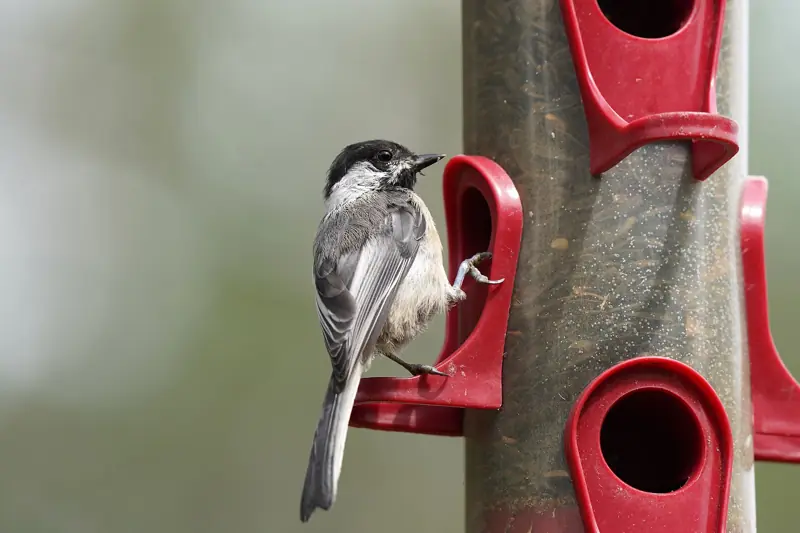
How to Clean a Bird Feeder: Step-by-Step Guide
How often to clean each feeder type, the right solution and a step-by-step routine.
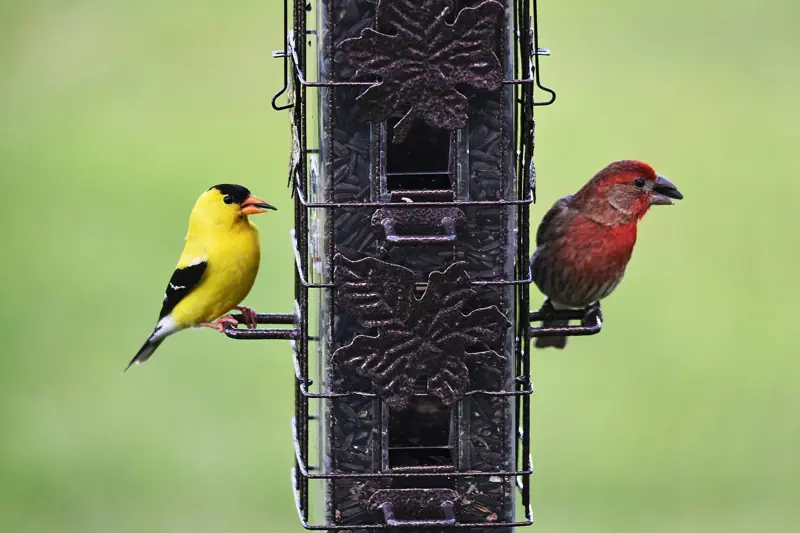
Best Bird Feeders by Type
Research-based picks for tube, hopper, platform, finch, suet, window and squirrel-proof feeders.

How to Create a Bird-Friendly Backyard
Native plants, water, shelter, nest sites and safety: a step-by-step plan for a yard birds rely on.
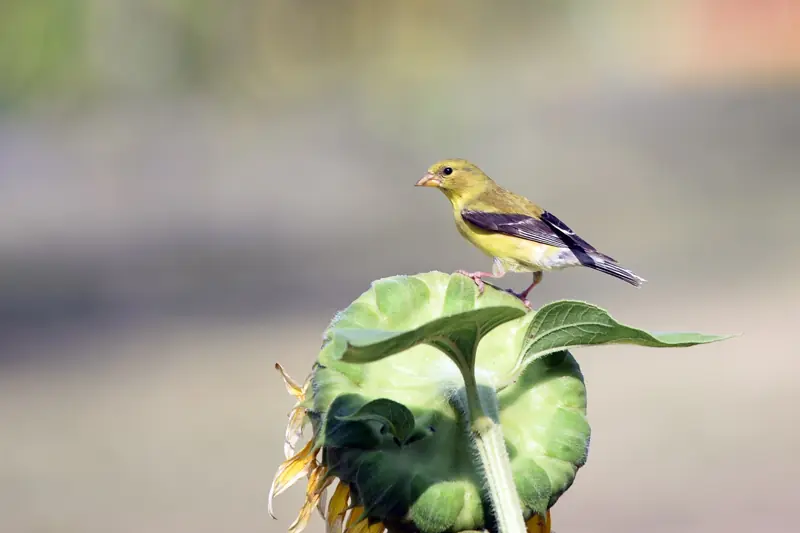
Bird Food Guide: Seed, Suet, Mealworms & Nectar
Seed, suet, mealworms, nectar and fruit: what to buy, what to skip and how to store it.
Bird Feeder Types: Which Feeder for Which Birds
Tube, hopper, platform, suet, nyjer, hummingbird, window, squirrel-proof and smart feeders compared.