Attract Birds
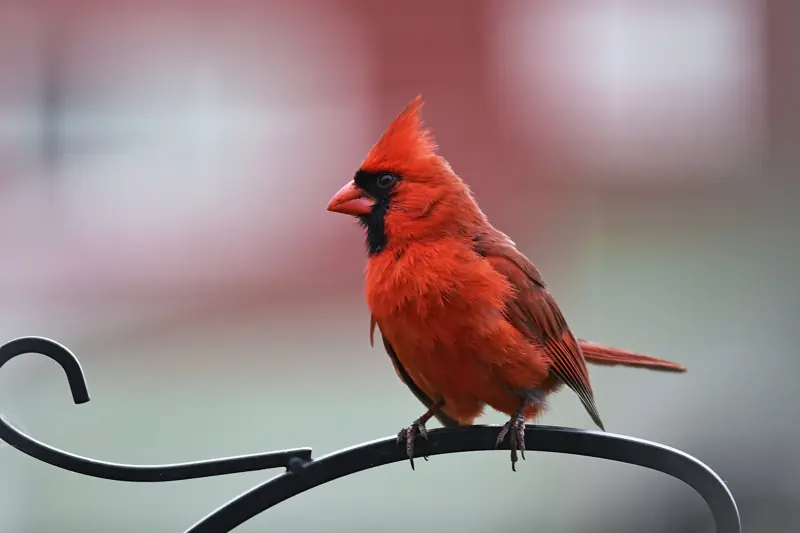
How to Attract Cardinals to Your Yard
Safflower, sunflower, a feeder with a wide perch and dense cover nearby: what northern cardinals need.
Ten changes that widen the range of birds visiting your yard, plus species-by-species guides for the birds people most want to see.
Each guide covers what the bird eats, which feeder it prefers, where to put it, and the water, plants and nesting sites that keep it around.
Safflower, sunflower, a feeder with a wide perch and dense cover nearby: what northern cardinals need.
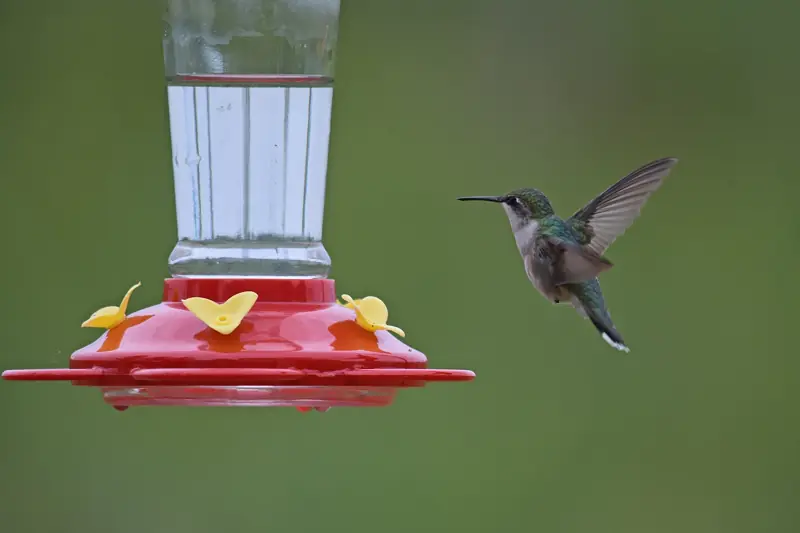
Nectar, native flowers, perches and timing: how to bring hummingbirds in and keep them coming back.
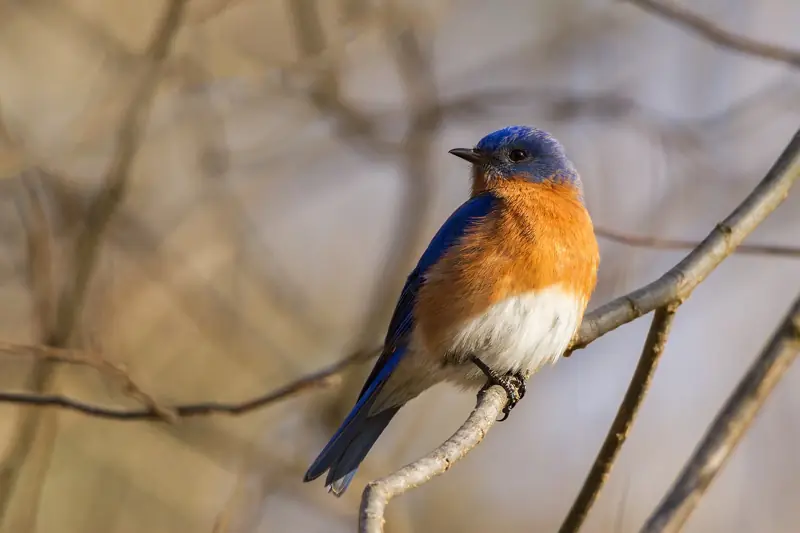
Mealworms, berry plants, open lawn and the right nest box: what bluebirds need.
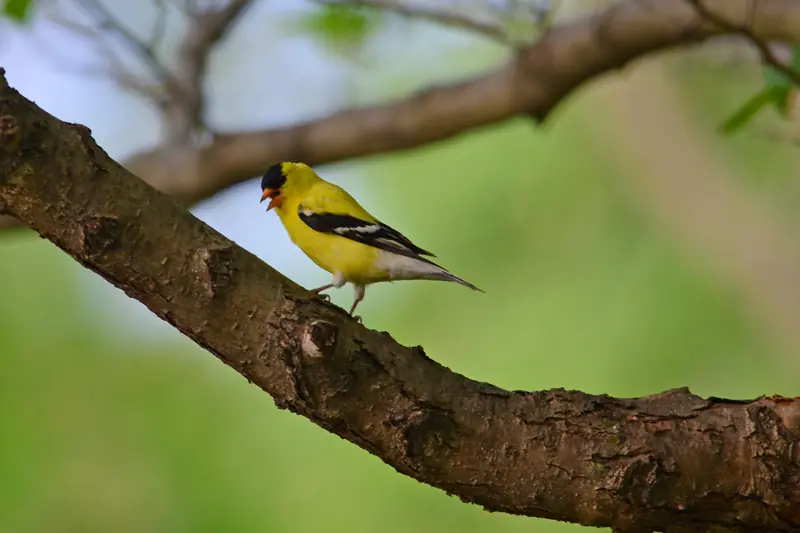
Fresh nyjer, sunflower chips, finch feeders and seedheads: how to attract goldfinches.
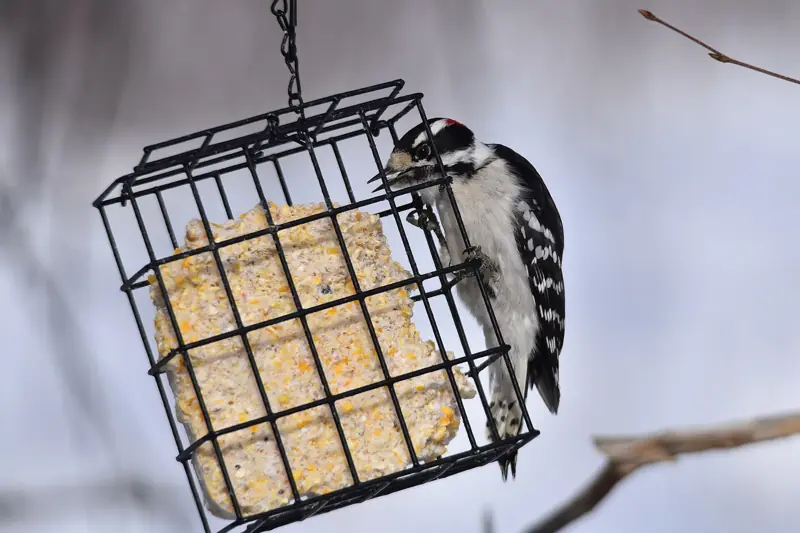
Suet, peanuts, tail-prop feeders and dead wood: how to attract backyard woodpeckers.
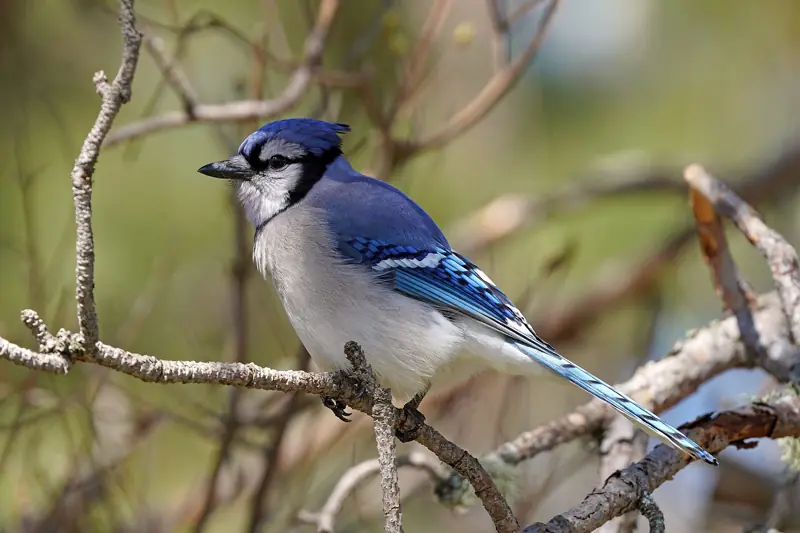
Peanuts, platform feeders and oaks, plus how to keep jays from crowding smaller birds.
Looking for chickadees, orioles, wrens, robins or mourning doves? See the backyard bird quick reference for food, feeder and nesting notes on each.
If birds aren’t coming, the feeder itself is rarely the whole problem. These changes address what birds actually look for: food they can eat, safety while eating, water and a place to raise young. Start with the first three.
Black-oil sunflower attracts the widest range of feeder birds. Adding a second food brings in birds that sunflower alone misses: nyjer for goldfinches and siskins, safflower for cardinals, white millet on a low tray for juncos, sparrows and doves, and suet for woodpeckers. Skip bargain mixes padded with milo, wheat and oats. The Bird Seed Selector matches seed to species, and the seed chart shows it all at a glance.
Birds prefer to approach food from a nearby perch and want a quick escape route. Place feeders about 10–15 feet from shrubs or trees. Keep them within 3 feet of windows or more than 30 feet away to reduce collisions. Details are in the placement guide, or use the Placement Calculator.
Every bird needs water, including insect- and fruit-eaters that never touch seed. A shallow bath (1–2 inches deep) cleaned every few days is enough. A dripper or small solar fountain adds sound and movement birds notice. See the bird bath guide.
Feeder shape decides who can eat. Tube feeders suit small clinging birds. Hoppers and platforms suit cardinals, jays and doves. Suet cages suit woodpeckers and nuthatches. Two different feeders, spaced apart, serve more species and reduce crowding. Compare styles in feeder types explained.
Suet is fat-rich food for woodpeckers, nuthatches, chickadees, wrens and, in some areas, bluebirds. It’s most valuable in cold weather. Use “no-melt” dough in summer heat. An upside-down suet feeder, where birds cling from below, discourages starlings.
Native plants supply the berries, seeds and, most importantly, insects that birds eat when your feeders aren’t in use. They also feed nestlings. Serviceberry, dogwoods, viburnums, native hollies and conifers, plus coneflowers and native grasses left standing through winter, are good places to start. See native plants for birds.
A loose pile of branches in a back corner gives sparrows, wrens and towhees instant cover. Leaf litter shelters the insects ground-feeding birds scratch for. Audubon’s brush pile guide shows how to stack one so it stays open inside.
Juncos, towhees, doves and many sparrows feed on or near the ground. A low platform feeder with millet or a sunflower mix brings them in. Place it where cats can’t hide within a few yards.
Crowded, dirty feeders can spread diseases such as salmonellosis and the eye disease common in house finches. Clean feeders about every two weeks and baths every few days. Rake up old seed, and take feeders down for a week or two if you see sick birds. See how to clean a bird feeder.
A correctly sized nest box on a baffled pole can attract bluebirds, chickadees, wrens or tree swallows to raise young in your yard. Hole size decides which species can use it. Our nest box guide has dimensions. Dense, unpruned shrubs are the nest sites for cardinals, catbirds and many others.
Be patient
Birds can take days to weeks to find a new feeder, and activity changes with the seasons. Many feeder birds are scarcer in late summer, when natural food is plentiful. They return in fall and winter.
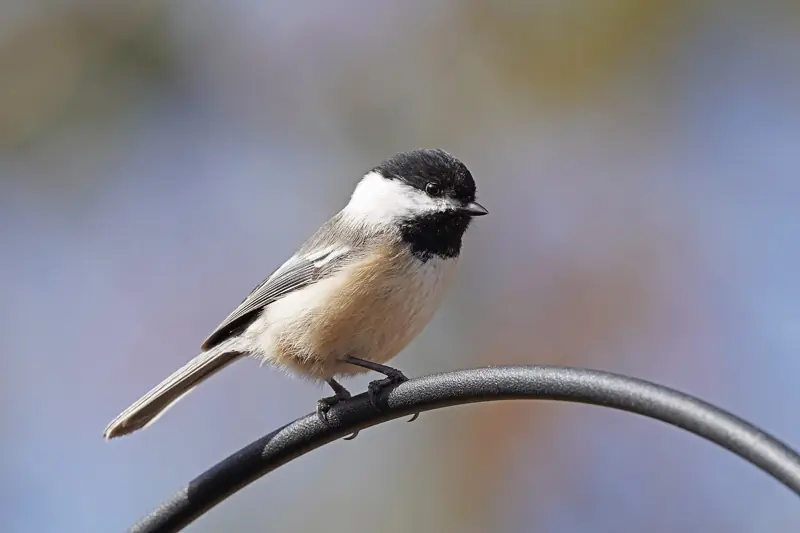
Identification basics plus a quick reference to what common backyard birds eat and need.
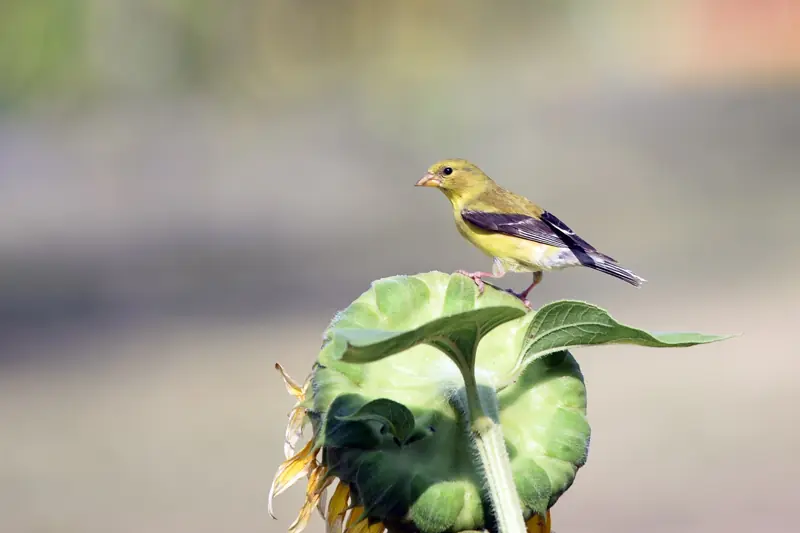
Seed, suet, mealworms, nectar and fruit: what to buy, what to skip and how to store it.
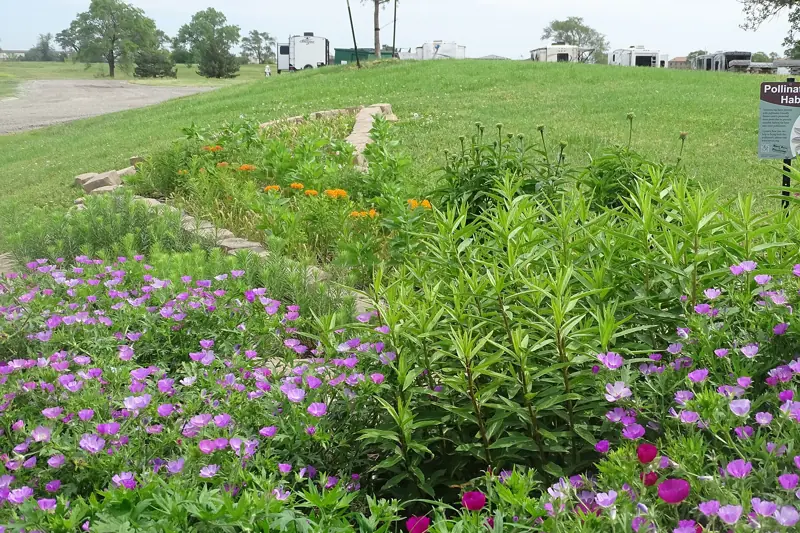
Native plants, water, shelter, nest sites and safety: a step-by-step plan for a yard birds rely on.
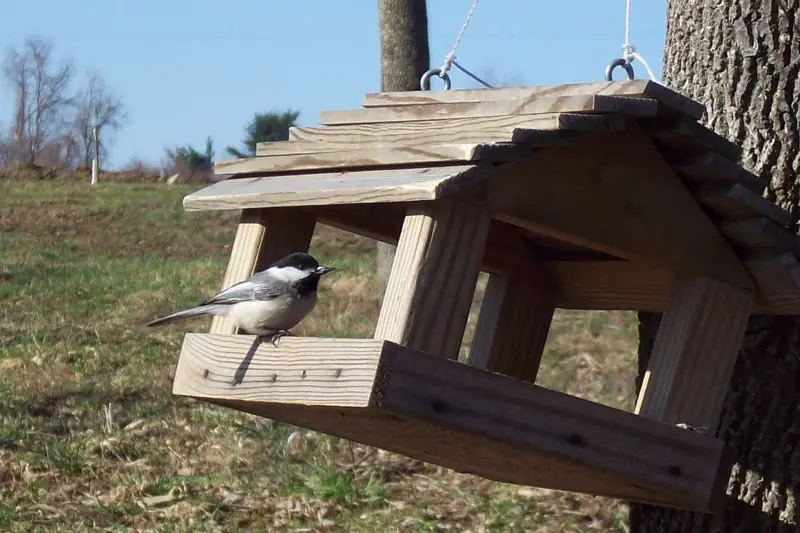
Tube, hopper, platform, suet, nyjer, hummingbird, window, squirrel-proof and smart feeders compared.
Choose a bird, season and your squirrel and mess tolerance. Get the seed and feeder to use.
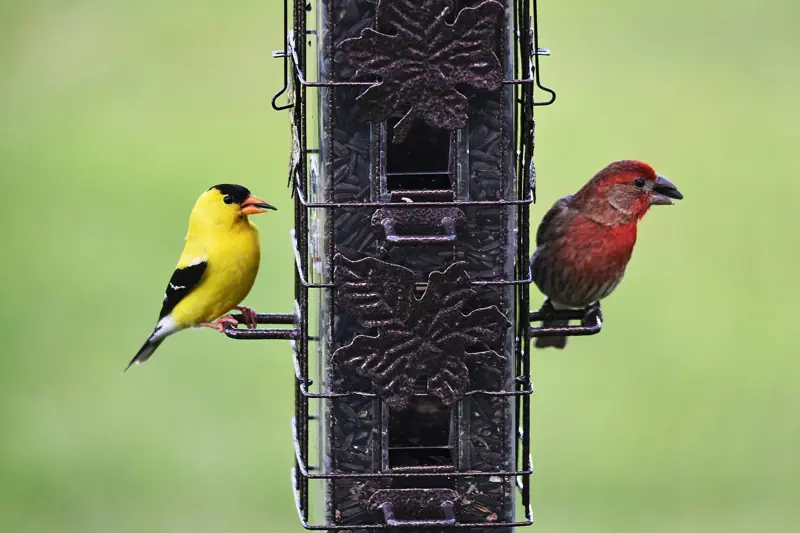
Enter your yard and target birds for a personalized feeder, food and placement plan you can print or email.