Juvenile Bird ID: How to Recognize Young Backyard Birds
Late summer brings a wave of young birds that look nothing like the field guide. Here is how to recognize them.
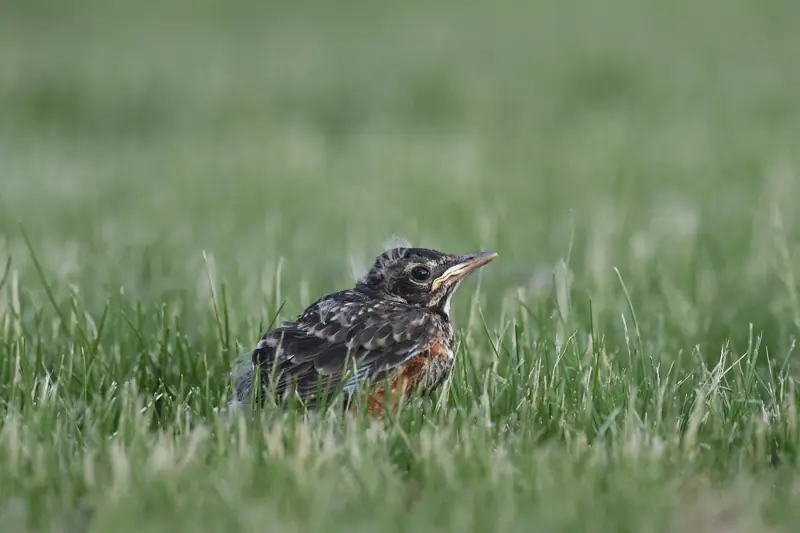
As July deepens into August, our backyards transform. The frantic nesting activity of spring has largely subsided, replaced by a different kind of avian hustle: the fledging frenzy. This is prime time for spotting juvenile birds, those awkward, often fluffy, sometimes surprisingly different-looking versions of our familiar backyard species. They're learning the ropes, mastering flight, and figuring out how to forage independently. For us birdwatchers, it's a fascinating challenge and a wonderful opportunity to hone our identification skills beyond the standard adult plumages.
Why Late Summer is Prime Time for Juveniles
The nesting season typically peaks in late spring, meaning most young birds hatch between May and July. By late summer, these fledglings are venturing out from the nest. They’re still dependent on their parents for a while, begging for food, but they're also exploring their world. This makes your backyard, especially if it offers reliable food sources, water, and shelter, a bustling classroom for young birds – and a prime observation post for you.
You'll notice families moving together, parents diligently feeding their offspring, and the young ones practicing their first, often clumsy, flights and foraging attempts. It's a window into the avian life cycle that many casual observers miss, but it offers some of the most endearing and educational moments in birdwatching.
The ABCs of Juvenile Bird ID: What to Look For
Identifying juvenile birds can be tricky because their appearance often differs significantly from their parents. Forget the neat, established field guide photos of adults for a moment; you need to train your eye for subtle cues. The clues fall into three groups: plumage, behavior and body proportions.
1. Plumage: The "Work-in-Progress" Look
This is often the biggest giveaway. Juvenile plumage is designed for camouflage and isn't typically as vibrant or distinctive as adult feathers.
- Duller Colors: Many young birds, especially males, will lack the brilliant hues of their fathers. Think duller reds on cardinals, muted blues on jays, and less distinct patterns overall.
- Streaky or Mottled Patterns: This is incredibly common. Even species that are sleek and uniform as adults might have streaky breasts or mottled backs as juveniles. This serves as excellent camouflage against dappled light in dense foliage.
- "Scaly" or Fluffy Appearance: Young feathers, especially on very fresh fledglings, can look quite loose and fluffy, giving them a somewhat disheveled, "baby bird" appearance. Their feather tracts might not be fully developed, leading to a scaly or unkempt look.
- Incomplete or Emerging Patterns: You might see hints of adult patterns starting to emerge, but not fully formed. For instance, a young American Robin might have faint spotting on its breast before it develops the classic brick-red.
- Short Tails: Many fledglings have disproportionately short tails compared to their body size. Tail feathers are among the last to grow to full length, so a full-grown body with a stubby tail is a big clue!
2. Behavior: The "Learner Driver" Cues
Juvenile behavior is just as telling as their plumage.
- Begging Behavior: This is the most obvious. Young birds will persistently follow their parents, fluttering their wings rapidly (the "quivering wings" display), and emit incessant, high-pitched peeping or chirping calls. They'll often gape their mouths wide, revealing that bright yellow or pink fleshy gape, hoping for a meal.
- Clumsiness: Their flight might be less agile, their landings a bit wobbly, and their movements generally less coordinated than adults. They're still building muscle memory and perfecting their motor skills.
- Following Adults: They stick close to their parents or other adults of their species, often forming small family groups. If you see two adult-looking birds with one or more smaller, less-defined birds constantly shadowing them, you’re likely looking at a family unit.
- Curiosity (and Naivete): Sometimes, young birds can seem less wary than adults, occasionally allowing closer approaches before fleeing. They haven't fully developed their natural caution yet.
- Learning to Forage: You might observe them attempting to pick up seeds or insects, often unsuccessfully at first, mimicking their parents' actions.
3. Structure and Proportions: The "Big Head, Short Tail" Look
- Large Head and Eyes: Relative to their body, juveniles often appear to have larger heads and eyes, giving them a "cute" or "babyish" look.
- Fleshy Gape: As mentioned, the corners of their mouths (the gape) are often prominent and brightly colored – usually yellow or orange – to act as a target for feeding parents. This fades as they mature.
- Overall Size: While they can be similar in body size to adults, their overall appearance might be more compact or less streamlined due to undeveloped feathers and tails.
Common Backyard Juveniles to Watch For
Here are a few species you're likely to encounter in their juvenile forms, and what to specifically look for:
- American Robin: Fledglings have dark spots on their pale breasts and bellies, which gradually fade into the uniform red of adults. Their flight is often labored.
- Blue Jay: Young jays are often a duller blue than adults, sometimes with less distinct barring on their wings and tail. They are often incredibly vocal beggars.
- European Starling: juveniles are often uniformly grayish-brown with a short tail and a yellow gape, looking completely different from their iridescent parents. They undergo a dramatic molt in late summer.
- Northern Cardinal: young cardinals of both sexes look like a browner version of the adult female. The best clue is a dark, blackish bill instead of the adult's orange-red one. Young males gain red patches through late summer and fall.
- House Finch: Young finches are usually streaky brown all over, similar to the adult female, but with a more subdued, less organized pattern. Males will slowly develop patches of red.
- Mourning Dove: Young doves can appear a bit scaly due to uneven feather growth and might have some faint spotting on their wing coverts that adults lack.
- Downy Woodpecker: juveniles often show red or pinkish-red on the top of the crown, rather than the adult male's small red patch on the back of the head. That can make young females look like males.
Your Backyard as a Juvenile Observation Post
Your feeders are invaluable for observing juveniles up close. They offer predictable spots where you can set up a comfortable viewing station and watch the drama unfold.
- Seed Feeders: Fill seed feeders with black oil sunflower, nyjer, or a good quality blend. Young finches, sparrows, and chickadees will flock to these.
- Suet Feeders: Suet is a high-energy food perfect for growing birds. Woodpecker fledglings, young starlings, and nuthatches will appreciate it.
- Water Source: A bird bath is an absolute magnet. Young birds need to learn to drink and bathe, and watching their first clumsy attempts can be quite entertaining.
- Camera feeders: a smart feeder records visits while you're away, and reviewing clips gives you time to study plumage details. Automated species labels are often less reliable for juveniles, so confirm IDs yourself. See our smart feeder comparison.
Essential Tools and Ethical Considerations
- Good Binoculars: Clear optics are key. Even a decent pair will reveal those subtle plumage differences and gape colors. An 8×42 pair is a versatile choice. Check 8×42 binoculars on Amazon.
- Field Guide: While adult-focused, many good guides will have a small section or photo on juvenile plumage.
- Online Resources: All About Birds from Cornell Lab of Ornithology is an unparalleled resource. Their species accounts often include photos and descriptions of juvenile stages. Also, Project FeederWatch has identification tips focused on feeder birds.
- Patience and Observation: Don't rush to an ID. Watch the bird for an extended period. Observe its interactions with other birds, especially adults. The "who is feeding whom?" question is often the quickest way to confirm a juvenile.
- Leave Them Alone: It's natural to want to help a fledgling that seems out of place or clumsy. However, most young birds on the ground are simply learning to fly and are still being cared for by their parents. Unless they are clearly injured or in immediate danger (like in a busy road), the best thing to do is observe from a distance. If you're truly concerned, follow the Cornell Lab's advice on what to do if you find a baby bird, or contact a licensed wildlife rehabilitator.
Late summer birding is a gift. It's a time of transition, learning, and fresh faces in your backyard. Take the time to look closely, enjoy the awkward beauty of these young birds, and celebrate the next generation of your feathered friends. Happy birding!
Still unsure about a young bird? Describe it in the Bird ID Helper and mention that it may be a juvenile.
Keep exploring
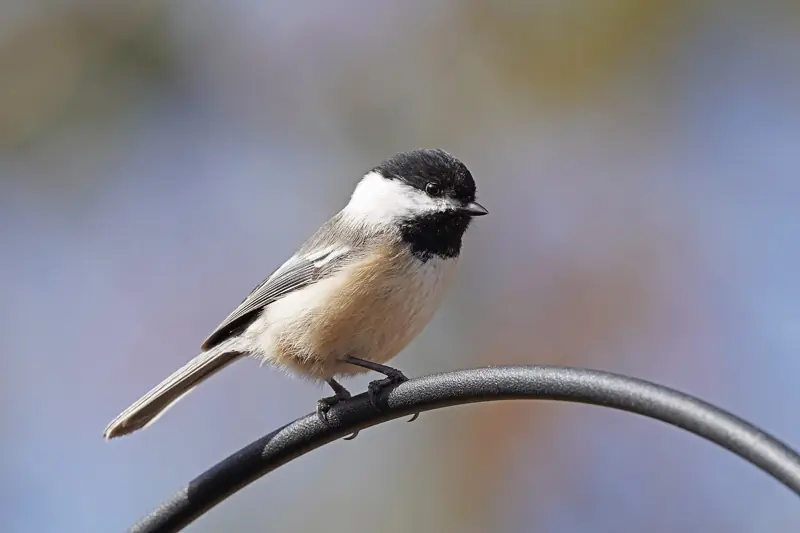
How to Identify Backyard Birds: A Beginner’s Guide
Size and shape, color pattern, behavior, habitat and sound: the framework that makes bird ID click.
What Birds to Expect Each Season at Your Feeder
Winter finches, spring migrants, summer fledglings and fall arrivals, with feeding tips for each season.
Backyard Birds: Identify Them and Learn What They Need
Identification basics plus a quick reference to what common backyard birds eat and need.
Bird ID Helper
Describe a bird and get possible matches, the field marks to check, and how to attract it.
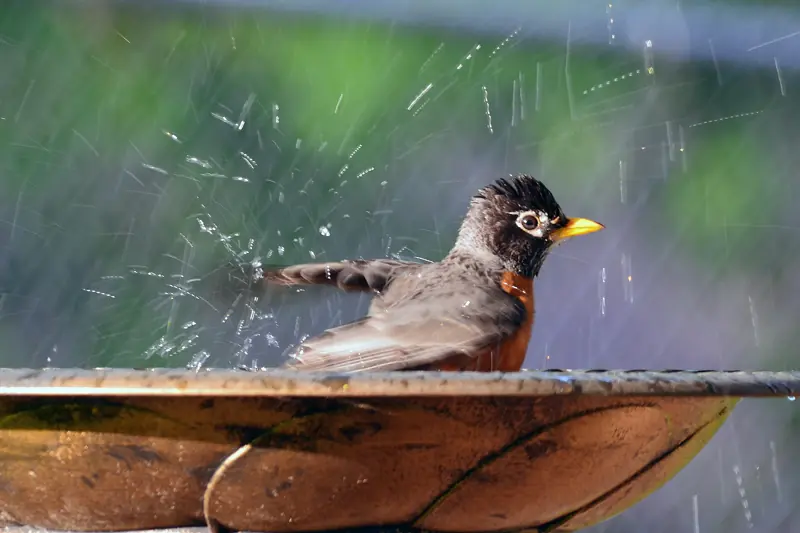
Bird Bath Guide: Setup, Placement and Seasonal Care
Depth, placement, drippers and heated baths, plus a cleaning schedule that keeps water safe.
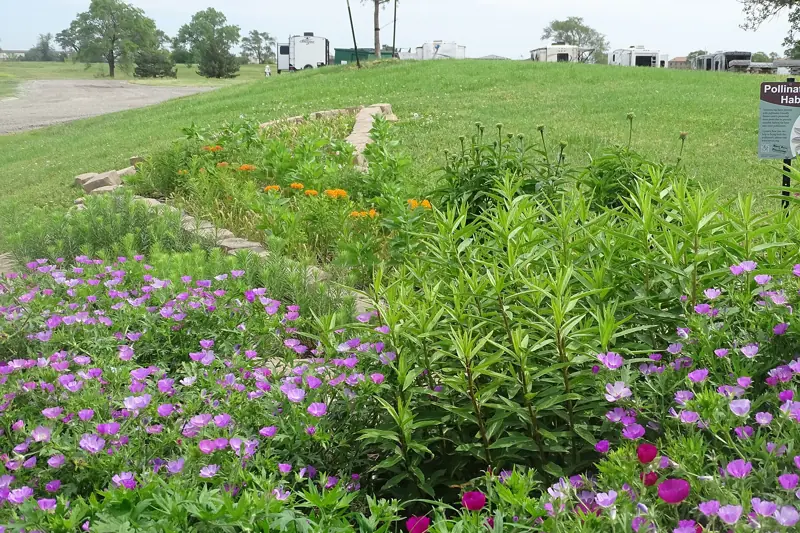
How to Create a Bird-Friendly Backyard
Native plants, water, shelter, nest sites and safety: a step-by-step plan for a yard birds rely on.