What Bird Seed Attracts Which Birds? Complete Backyard Guide
Seed choice decides who shows up. Here is what each common seed attracts, the feeder to serve it in, and the fillers to skip.
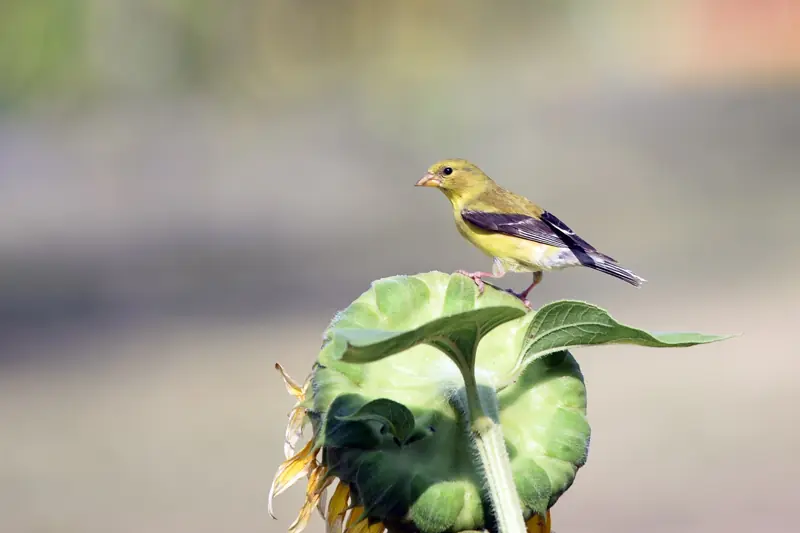
The bag of “wild bird mix” at the grocery store is not doing you any favors. It looks appealing and it’s cheap, but most of what’s in it — milo, wheat, oats — will be scattered onto the ground by birds searching for the few good seeds buried inside. You’ll end up feeding squirrels and ground-feeding sparrows, while the species you actually want to attract fly right past.
Seed choice is one of the biggest levers you have over which birds visit. The chart below is the quick answer. The sections after it explain each food. Species lists follow Project FeederWatch’s food preferences and apply mainly to eastern and central North America.
| Food | Top birds it attracts | Best feeder | Notes |
|---|---|---|---|
| Black-oil sunflower | Cardinals, chickadees, titmice, nuthatches, finches, jays, grosbeaks | Tube, hopper, platform | Best single seed; squirrels love it too |
| Sunflower hearts/chips | Same as above, plus goldfinches | Tube, hopper | No shells underneath; spoils faster when wet |
| Nyjer (thistle) | Goldfinches, pine siskins, redpolls, house finches | Nyjer tube or mesh sock | Must be fresh; tiny ports needed |
| Safflower | Cardinals, chickadees, titmice, doves, house finches | Hopper, platform, tube | Less popular with grackles, starlings and many squirrels |
| Suet | Woodpeckers, nuthatches, chickadees, wrens, creepers | Suet cage, tail-prop | No-melt dough in summer heat |
| Peanuts | Jays, titmice, woodpeckers, nuthatches, chickadees | Mesh peanut feeder, platform | Unsalted only; store cool and dry |
| White proso millet | Juncos, native sparrows, doves, towhees | Low platform or ground | Also draws house sparrows and cowbirds |
| Mealworms | Bluebirds, wrens, robins, chickadees | Dish or cup feeder | Live or dried; offer in small amounts |
| Nectar (1:4 sugar water) | Hummingbirds, orioles | Hummingbird / oriole feeder | Change every 1–3 days in heat |
Not sure where to start? The Bird Seed Selector recommends a seed based on your target bird, season and squirrel situation.
Black Oil Sunflower Seed: The One Seed to Rule Them All
If you could only offer one seed, it should be black oil sunflower. The shell is thin enough for small birds to crack, the kernel is large and calorie-dense, and the appeal is nearly universal across North American species. Surveys of feeder birds consistently find it attracts the widest variety of any single seed.
Attracts: Northern Cardinal, Black-capped Chickadee, Carolina Chickadee, White-breasted Nuthatch, Red-breasted Nuthatch, Tufted Titmouse, American Goldfinch, House Finch, Purple Finch, Dark-eyed Junco, Song Sparrow, White-throated Sparrow, Downy Woodpecker, Hairy Woodpecker, Mourning Dove (ground dropped seed), Blue Jay
Also works as: hulled/shelled sunflower (sunflower hearts or chips) — all the appeal, no shell debris. Worth the higher price if you have a tidy feeder setup or birds that struggle with thicker shells.
Nyjer (Thistle) Seed: The Finch Magnet
Nyjer seed — also called thistle, though it’s actually from the African yellow daisy — is the most targeted seed you can offer. It attracts a specific, predictable group of birds almost exclusively, and it attracts them in numbers. If you want a finch feeder that’s active all season, nyjer is the answer.
Attracts: American Goldfinch (especially in winter when they flock), House Finch, Purple Finch, Pine Siskin, Common Redpoll, Lesser Goldfinch (in western US)
Feeder requirement: Nyjer requires a dedicated tube feeder with small ports designed specifically for this tiny seed — it falls through standard feeder ports. Finch socks (mesh bags) also work well.
Storage note: Nyjer has a relatively short shelf life. Finches will refuse stale seed — if your nyjer feeder goes quiet, try a fresh bag before assuming the birds are gone.
Safflower: The Cardinal Seed (and Squirrel Deterrent)
Safflower is the underused secret of the backyard feeder world. Cardinals eat it readily, and many squirrels find it less appealing than sunflower, though hungry squirrels will still eat it. If you want cardinals and have a squirrel problem, safflower in a feeder on a baffled pole is a strong combination.
Attracts: Northern Cardinal (excellent), House Finch (good), Black-capped and Carolina Chickadee (moderate), Tufted Titmouse (moderate), Mourning Dove (ground dropped seed)
Less popular with: many squirrels, European starlings, common grackles and house sparrows
The birds that safflower repels or attracts less — starlings, grackles, and house sparrows — happen to be the species that tend to dominate feeders and crowd out the birds most backyard birders want to see. Switching one feeder to safflower is a simple way to give cardinals and chickadees more room.
Suet: high-energy fat for woodpeckers and more
Suet is rendered beef fat, usually mixed with seeds, nuts, or fruit and pressed into a cake. It’s high in calories and appeals strongly to insectivorous birds that don’t always visit seed feeders. A suet cage hung near your seed feeder will attract a notably different mix of species.
Attracts: Downy Woodpecker, Hairy Woodpecker, Red-bellied Woodpecker, Pileated Woodpecker (in wooded areas), White-breasted Nuthatch, Red-breasted Nuthatch, Brown Creeper, Carolina Wren, Black-capped and Carolina Chickadee, Tufted Titmouse, Yellow-rumped Warbler (in winter)
Summer note: Standard suet melts in hot weather, which can both spoil the suet and trap birds’ feathers. Use “no-melt” or “summer suet” formulations if you keep suet out year-round in warm climates.
Peanuts: The Best Way to Attract Blue Jays and Woodpeckers
Whole or halved peanuts (in the shell) attract Blue Jays, who will cache them enthusiastically and return repeatedly. Shelled peanuts (peanut pieces or halves without shells) have broader appeal across more species and are easier for smaller birds to eat.
Attracts (whole peanuts in shell): Blue Jay, American Crow, Tufted Titmouse, Northern Cardinal
Attracts (shelled peanuts): White-breasted Nuthatch, Downy Woodpecker, Hairy Woodpecker, Tufted Titmouse, Carolina Chickadee, Black-capped Chickadee, Carolina Wren, Dark-eyed Junco, Red-bellied Woodpecker
Note: Always use unsalted, unseasoned peanuts. Peanuts can harbor aflatoxin (a mold-produced toxin) if stored in hot, humid conditions. Buy from reputable sources and keep them in a cool, dry location. Discard any peanuts that look discolored or smell off.
White Proso Millet: The Ground-Feeder Specialty
Millet is the seed that many birders ignore because of its association with cheap mixed seed, but quality white millet in the right feeder context is genuinely effective for a specific group of desirable species. The key is to use it in a ground tray or low platform feeder, not a tube.
Attracts: Dark-eyed Junco (especially in winter), White-throated Sparrow, White-crowned Sparrow, Song Sparrow, Fox Sparrow, Mourning Dove, Eastern Towhee, Northern Cardinal (ground feeding), Indigo Bunting (during migration)
If you want to attract more sparrow diversity to your yard, a low tray of white millet during migration seasons — especially fall and spring — can produce exceptional results. It’s especially useful in October and November. The trade-off: millet also attracts house sparrows and brown-headed cowbirds, so offer small amounts.
What to Avoid: The Seeds That Waste Your Money
Most inexpensive wild bird mixes are padded with seeds that most desirable backyard birds actively avoid:
- Milo (sorghum): most eastern feeder birds toss it aside. Some western ground birds, such as quail and some jays, do eat it, which is why regional mixes exist.
- Wheat and oats: Birds rarely eat these from a feeder; they’re added to mixes to lower the cost.
- Striped sunflower seeds: Harder shells that many small birds can’t crack. Use black oil sunflower instead.
- Canary seed: Some sparrows and doves eat it, but it’s rarely worth the cost for most yards.
The presence of these fillers in a mix means birds spend time excavating them to reach the good seeds — and the cast-off milo piles up below the feeder, attracting rodents.
Building a Seed Strategy for Maximum Species Diversity
The most effective backyard feeder setup uses multiple seed types in dedicated feeders:
- Tube or hopper feeder with black-oil sunflower: your main feeder, with the broadest mix of species
- Nyjer sock or tube feeder — finch-specific, extremely active in winter and during migration
- Suet cage — woodpeckers, nuthatches, winter warblers
- Platform or tray feeder (low, near ground) with white millet — ground feeders: juncos, towhees, native sparrows
- Optional: safflower in a separate hopper — if you want to specifically attract cardinals and reduce bully bird pressure
This setup covers four feeding styles and usually brings in a wider range of species than a single mixed-seed feeder. It also lets you swap seeds seasonally — suet year-round in colder climates, millet focused on migration windows, nyjer stocked up in winter when goldfinch flocks are largest.
Use our free Bird ID Helper to identify any new species that show up once you update your seed selection. And if you want personalized feeder placement advice for your specific yard, try the Feeder Setup Planner.
For storage, buying and seasonal tips, see the full bird food guide.
Keep exploring
Bird Food Guide: Seed, Suet, Mealworms & Nectar
Seed, suet, mealworms, nectar and fruit: what to buy, what to skip and how to store it.
Bird Seed Selector
Choose a bird, season and your squirrel and mess tolerance. Get the seed and feeder to use.
How to Attract Cardinals to Your Yard
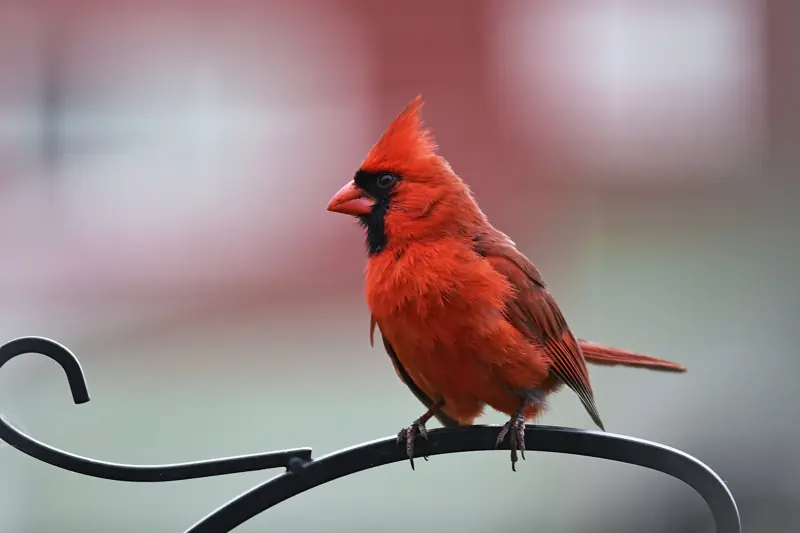
Safflower, sunflower, a feeder with a wide perch and dense cover nearby: what northern cardinals need.
How to Attract Goldfinches to Your Yard
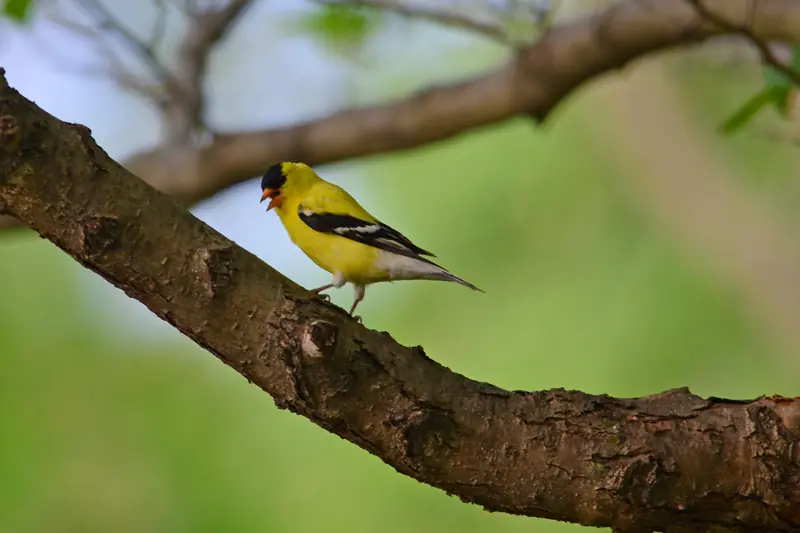
Fresh nyjer, sunflower chips, finch feeders and seedheads: how to attract goldfinches.
Best Bird Feeders by Type
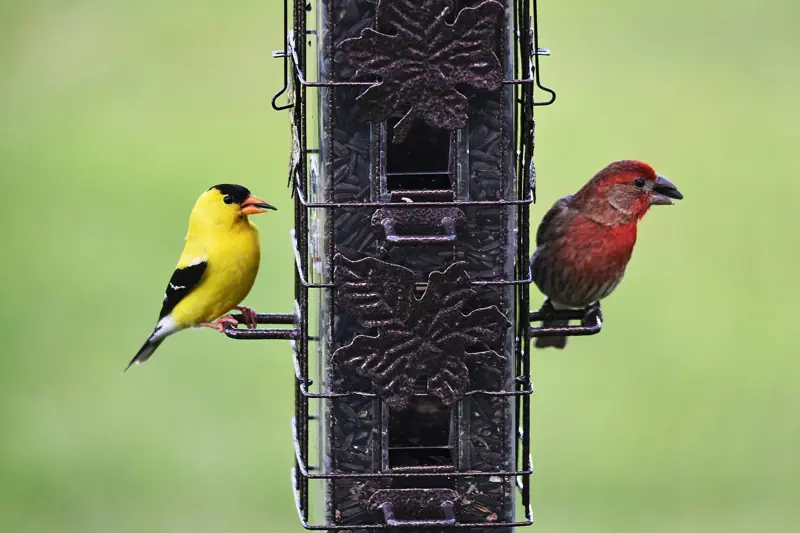
Research-based picks for tube, hopper, platform, finch, suet, window and squirrel-proof feeders.
Squirrel-Proof Bird Feeders: What Actually Works
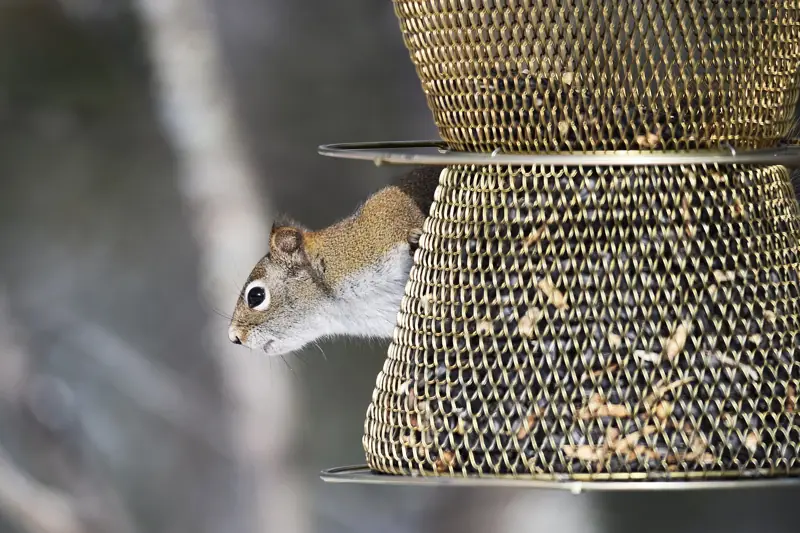
Weight-activated, caged and motorized feeders compared, plus baffles, placement and seed that squirrels skip.