Backyard Habitat
Bird Bath Guide: Setup, Placement and Seasonal Care
Depth, placement, drippers and heated baths, plus a cleaning schedule that keeps water safe.
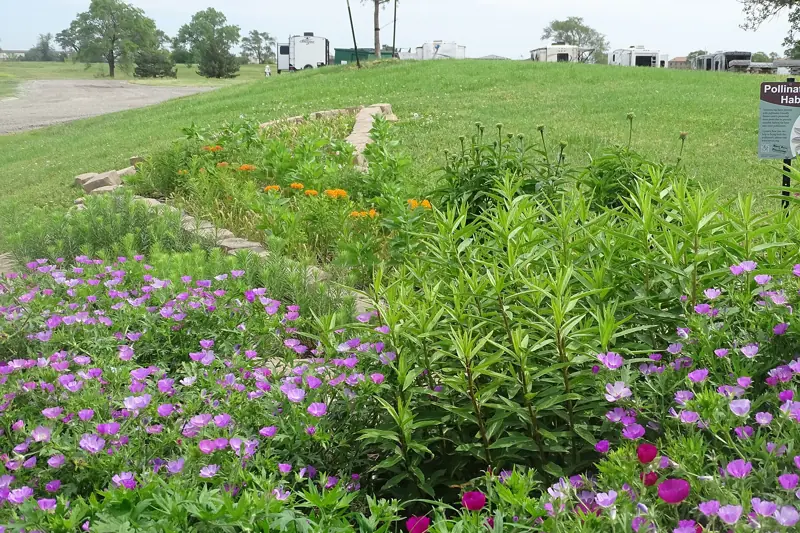
Feeders bring birds closer. Food plants, water, layered cover and safe nest sites are what make a yard somewhere birds actually live.
You don’t need to tear out the lawn or hire a landscaper. Most bird-friendly yards are built gradually, one shrub, water source or nest box at a time. This guide follows the four things every bird needs: food, water, shelter and a safe place to raise young. It then covers the hazards that undo that work.
Feeders are the fastest way to see birds, but most backyard birds don’t rely on them. Seeds, berries and especially insects make up most of their diet. Nearly all North American land birds feed insects to their nestlings, and many depend on caterpillars. The research of entomologist Douglas Tallamy, summarized by Audubon, shows native plants support far more of those insects than most non-native ornamentals.
So the practical order is:
What’s native depends on where you live, so always check a regional list. Audubon’s Native Plants Database and the National Wildlife Federation’s Native Plant Finder both search by ZIP code. These plant groups are widely recommended across much of the U.S.:
| Plant group | What birds get | Birds that use it |
|---|---|---|
| Native oaks (Quercus) | Hosts hundreds of caterpillar species; acorns | Chickadees, warblers, jays, woodpeckers |
| Serviceberry (Amelanchier) | Early-summer berries | Robins, waxwings, thrushes, catbirds |
| Dogwoods (Cornus) | Fat-rich fall fruit | Thrushes, vireos, woodpeckers, migrants |
| Viburnums, native hollies | Dense cover, fall and winter fruit | Cardinals, mockingbirds, bluebirds |
| Eastern red cedar & other native conifers | Year-round shelter, berries/cones | Waxwings, juncos, sparrows, roosting birds |
| Coneflowers, black-eyed Susans, native sunflowers | Seedheads in late summer and winter | Goldfinches, chickadees, sparrows |
| Native grasses (little bluestem, switchgrass) | Seeds, nesting material, insect habitat | Sparrows, juncos, buntings |
| Tubular flowers (cardinal flower, coral honeysuckle, bee balm, penstemons) | Nectar and small insects | Hummingbirds, orioles |
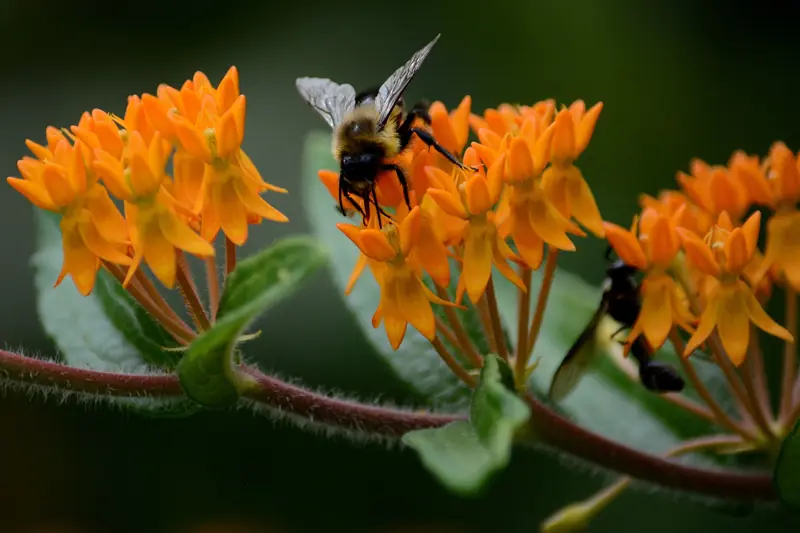
Avoid invasive plants even if birds eat the fruit. Japanese honeysuckle, burning bush and Bradford/Callery pear are common examples. They spread into natural areas and crowd out native plants.
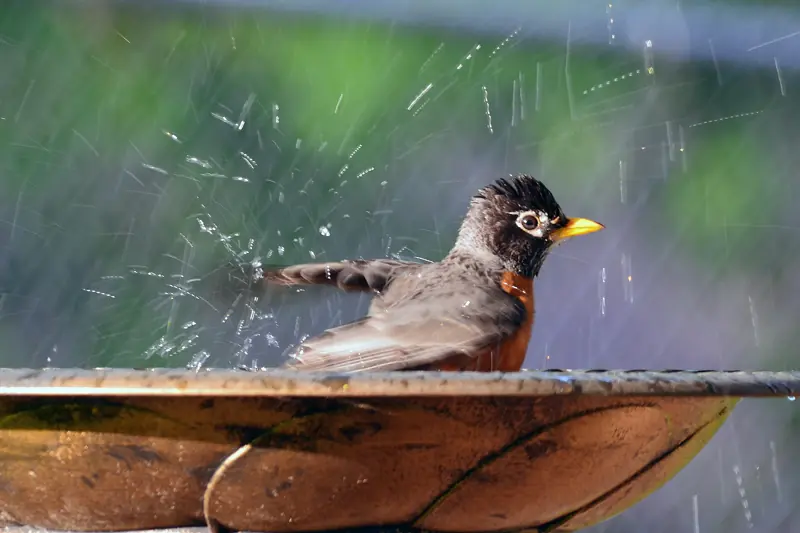
A reliable water source is one of the quickest ways to see species that never touch a feeder, such as robins, warblers, catbirds and thrushes. Different birds use water differently, so two sources beat one:
Scrub baths and refresh the water every few days, more often in summer. Our bird bath guide covers depth, placement, cleaning and winter options.
Birds use different heights of vegetation. A lawn with a few tall trees offers little in between. Aim for something at every level: leaf litter and groundcover, low shrubs, taller shrubs, small understory trees and canopy trees.
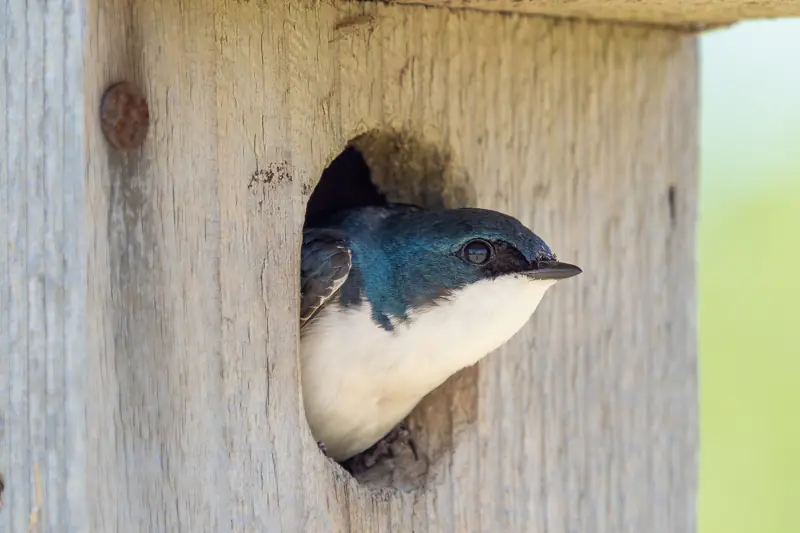
Most songbirds nest in shrubs and trees, so the planting above is your main nesting habitat. Cavity nesters such as bluebirds, chickadees, wrens, tree swallows, nuthatches and some woodpeckers need holes, and natural cavities are scarce in most neighborhoods. A properly sized nest box on a smooth pole with a predator baffle can fill that gap.
Entrance hole size decides which species can use a box. Our nest box guide has dimensions by species. NestWatch publishes free plans. Clean out old nests once young have fledged, and use a hinged side panel so it’s easy.
Drawing birds into a yard adds responsibility. The three biggest human-caused threats to backyard birds are:
Keeping feeders and baths clean matters too. Crowded, dirty feeding stations can spread disease. See how to clean a bird feeder.
Want a plan for your specific yard? The Feeder Setup Planner turns your yard size, region and target birds into a feeder, food and placement plan.
Depth, placement, drippers and heated baths, plus a cleaning schedule that keeps water safe.
Entrance hole sizes, box dimensions, mounting heights and predator guards for common cavity-nesting birds.
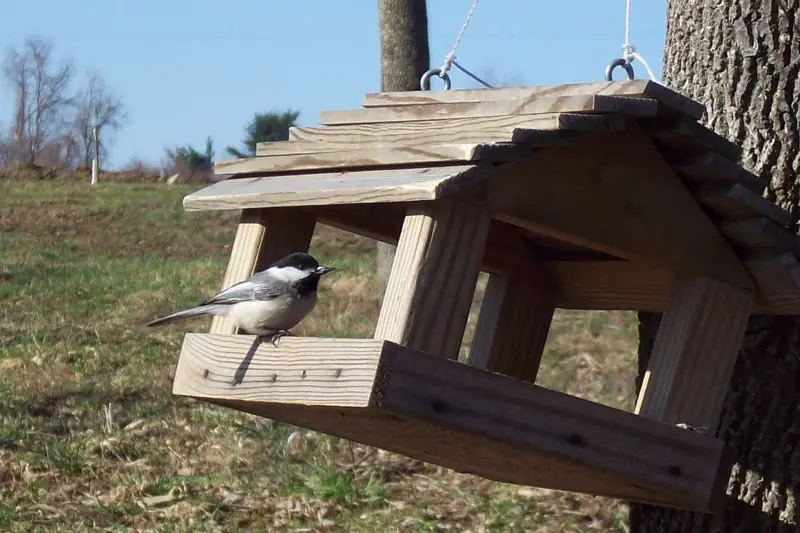
Distance from cover, the 3-foot/30-foot window rule, height by feeder type and squirrel clearance.
Depth, placement, drippers and heated baths, plus a cleaning schedule that keeps water safe.
Entrance hole sizes, box dimensions, mounting heights and predator guards for common cavity-nesting birds.
Distance from cover, the 3-foot/30-foot window rule, height by feeder type and squirrel clearance.
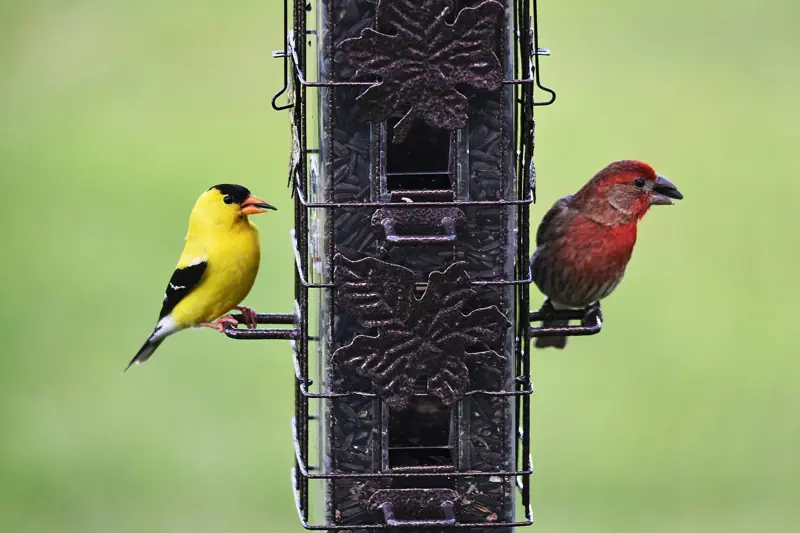
Ten proven changes to attract more birds, plus guides for cardinals, bluebirds, goldfinches, woodpeckers and more.
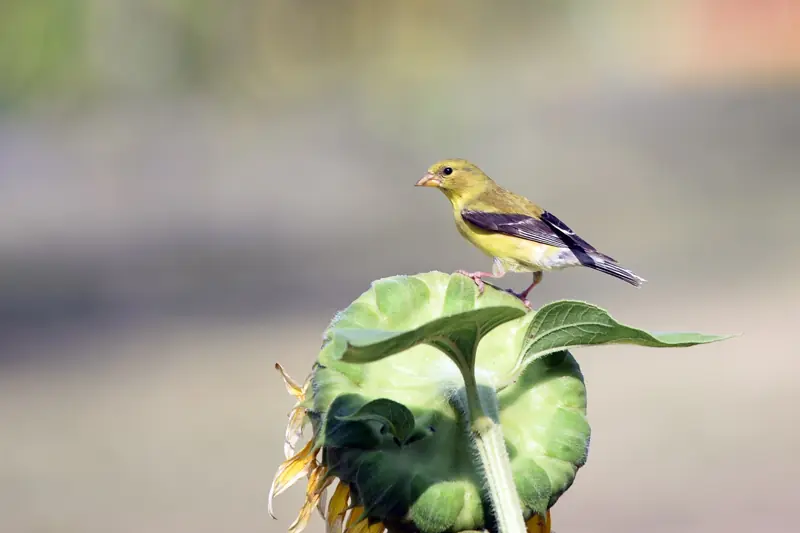
Seed, suet, mealworms, nectar and fruit: what to buy, what to skip and how to store it.
Window distance, cover, cats, squirrels and feeder type become a placement zone and mounting height.