How to Attract Woodpeckers to Your Yard
Suet, peanuts and mature or dead trees bring downy, hairy, red-bellied and other woodpeckers to backyard feeders.
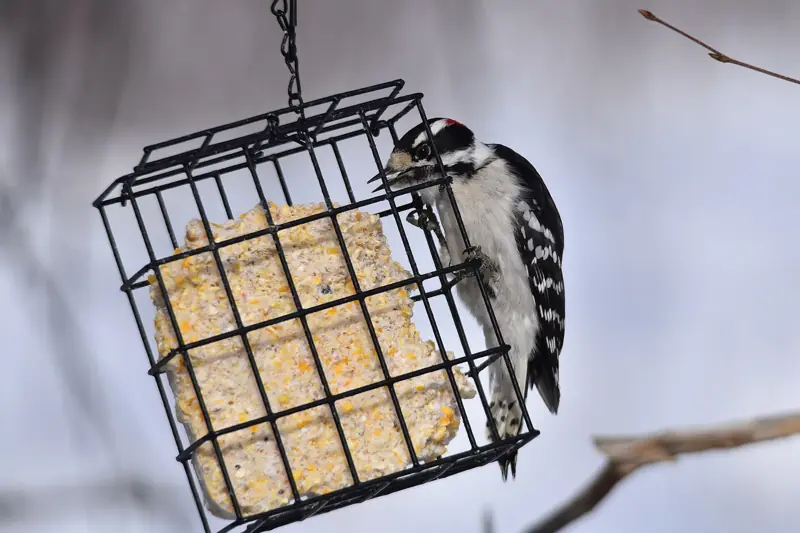
Backyard woodpeckers you’re likely to see
| Species | Where | Key ID features | Feeder favorites |
|---|---|---|---|
| Downy woodpecker | Most of the U.S. and Canada | Small; short bill; males have a small red patch on the back of the head | Suet, sunflower, peanuts |
| Hairy woodpecker | Most of the U.S. and Canada | Looks like a larger downy with a bill about as long as its head | Suet, peanuts |
| Red-bellied woodpecker | East and central U.S. | Barred black-and-white back; red on the nape (and crown in males); faint reddish belly | Suet, peanuts, sunflower, fruit |
| Northern flicker | Throughout | Brown, spotted, with a black bib; often on the ground eating ants | Suet, ground insects |
| Pileated woodpecker | Mature forests; East, North and Pacific Northwest | Crow-sized; bold red crest | Suet (large tail-prop feeders) |
| Red-headed woodpecker | East and central U.S., open woods | Entire head red; large white wing patches | Suet, nuts, corn |
Downy and hairy woodpeckers are the classic confusion pair. Compare bill length to head width, and check the outer white tail feathers: downies usually show black spots there. All About Birds has a side-by-side comparison.
What woodpeckers eat
Woodpeckers mainly eat insects, especially wood-boring larvae, ants and beetles. They also eat nuts, seeds and fruit. At feeders:
- Suet is the top draw, especially in cold weather. Plain or with peanuts, insects or seeds. Use no-melt dough in summer heat.
- Peanuts: shelled, unsalted, in a mesh peanut feeder.
- Black-oil sunflower and sunflower hearts are taken by downy and red-bellied woodpeckers.
- Fruit: red-bellied woodpeckers sometimes visit orange halves and grape jelly put out for orioles.
Feeders for woodpeckers
- Suet cages: inexpensive and effective. Hang against a tree trunk or on a pole.
- Tail-prop suet feeders: a board below the cage lets larger woodpeckers brace with their stiff tails. Good for red-bellied and pileated woodpeckers.
- Upside-down suet feeders: woodpeckers and nuthatches cling underneath easily, while starlings struggle.
- Log feeders: a drilled log packed with suet looks natural and works well.
- Mesh peanut feeders for shelled peanuts.
Compare specific models in the best bird feeders guide.
Habitat: trees, including dead ones
Woodpeckers depend on trees for food and for the cavities they excavate to nest and roost. The most useful thing you can do:
- Keep mature trees, especially oaks, hickories and pines.
- Leave dead trees (snags) or dead limbs standing wherever they’re not a safety hazard. Have an arborist check anything near a house, path or play area. Even a trimmed-down trunk a few feet tall is valuable.
- Plant fruiting natives such as dogwoods, serviceberry and viburnums, and avoid pesticides that remove insect food.
Nesting and nest boxes
Most woodpeckers excavate their own holes, usually in dead or softening wood. Some will use boxes. Northern flickers take to nest boxes, and downies occasionally do, especially if the box is packed with wood shavings for them to “excavate.” See NestWatch for species plans, and our nest box guide.
Water
Woodpeckers drink and bathe at baths, especially in hot, dry weather and when natural water freezes.
Woodpeckers drumming on your house?
Drumming on siding or gutters is usually territorial signaling in spring, or sometimes a search for insects. Hanging reflective tape or a sheet of netting over the spot usually stops it. Woodpeckers are protected under the Migratory Bird Treaty Act, so don’t harm them. Offering suet elsewhere can also help redirect them.
Woodpecker quick reference
| Best food | Suet (no-melt in summer), shelled peanuts, sunflower |
|---|---|
| Feeder | Suet cage, tail-prop, upside-down or log feeder; mesh peanut feeder |
| Habitat | Mature trees, safe snags and dead limbs |
| Nesting | Excavated cavities; flickers use boxes |
| Peak feeder season | Fall and winter |
Keep exploring
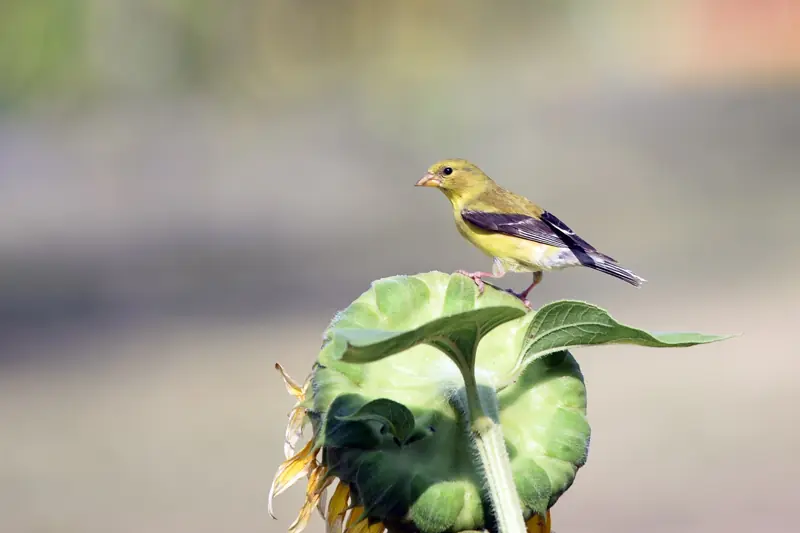
Bird Food Guide: Seed, Suet, Mealworms & Nectar
Seed, suet, mealworms, nectar and fruit: what to buy, what to skip and how to store it.
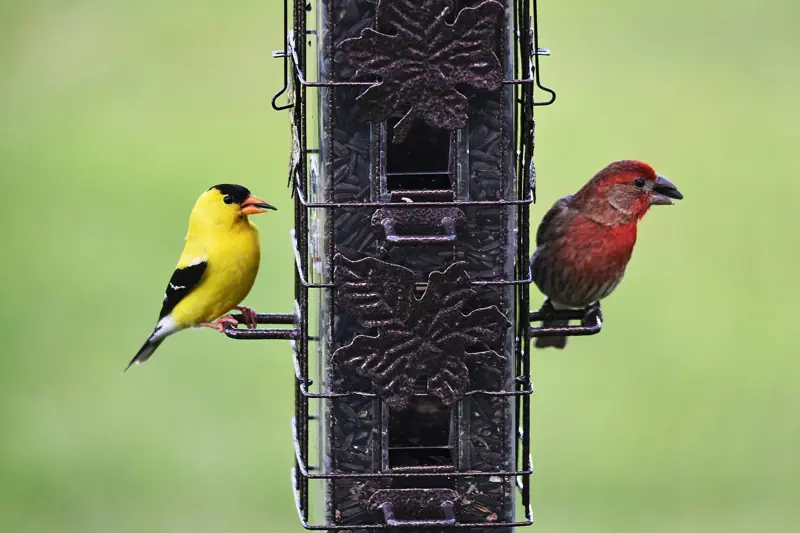
Best Bird Feeders by Type
Research-based picks for tube, hopper, platform, finch, suet, window and squirrel-proof feeders.
What Bird Seed Attracts Which Birds? Complete Backyard Guide
Which birds eat sunflower, nyjer, safflower, suet, peanuts and millet, with the right feeder for each.
How to Create a Bird-Friendly Backyard
Native plants, water, shelter, nest sites and safety: a step-by-step plan for a yard birds rely on.
Birdhouse & Nest Box Guide: Dimensions, Placement and Species
Entrance hole sizes, box dimensions, mounting heights and predator guards for common cavity-nesting birds.
How to Attract More Birds to Your Yard
Ten proven changes to attract more birds, plus guides for cardinals, bluebirds, goldfinches, woodpeckers and more.