How to Attract Blue Jays to Your Yard
Peanuts in the shell, a platform feeder and oak trees bring in blue jays: smart, loud and beautiful birds.
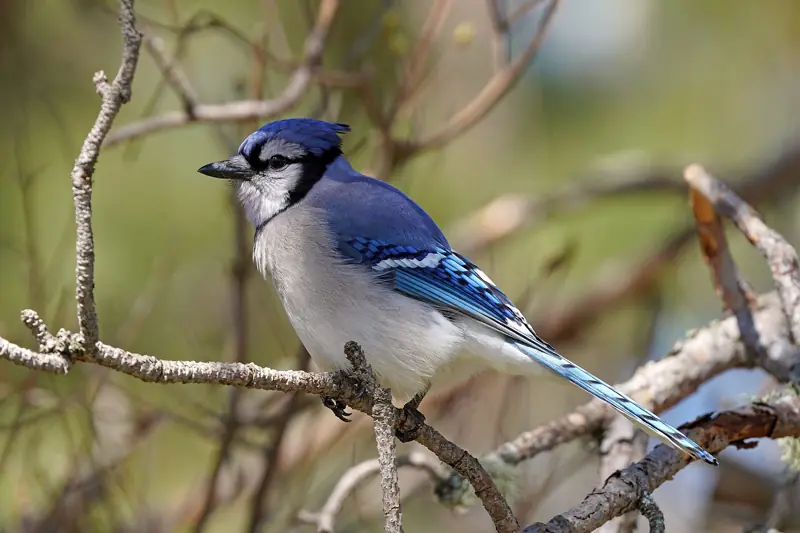
Blue jay basics
The blue jay lives across the eastern and central U.S. and southern Canada, and is present year-round in most of that range. Some jays migrate, sometimes in visible flocks along the Great Lakes and Atlantic Coast in fall, while others stay put. Researchers still don’t fully understand why. West of the Rockies, the jays at your feeder are more likely Steller’s jays or scrub-jays, which like similar foods. All About Birds has range maps.
Blue jays are social and vocal. They often imitate hawk calls, especially red-shouldered hawk, and cache food for later.
What blue jays eat
Acorns and other nuts are staple foods, along with seeds, grains, fruit and insects. Jays carry and bury acorns, and the ones they never recover help oaks spread. At feeders they prefer:
- Peanuts in the shell: the classic jay draw. Watch them carry peanuts off to cache.
- Shelled, unsalted peanuts and black-oil sunflower.
- Suet, especially in winter.
- Cracked corn in small amounts on a platform. It also attracts squirrels and blackbirds.
Feeders
Jays are large and like room to land. They use:
- Platform or tray feeders: ideal for peanuts and sunflower. Pick one with a mesh floor for drainage.
- Hopper feeders with a wide ledge.
- Peanut wreath or ring feeders that hold in-shell peanuts, which jays pull free.
Jays can dominate a feeder for a few minutes at a time. If smaller birds are getting crowded out, give the jays their own platform of peanuts a little apart from your tube feeders. They’ll mostly stick to it.
Habitat and plants
- Oaks are the single best tree for jays, for acorns and the insects oaks host. Beech and hickory are also valuable.
- Mixed trees and shrubs along an edge give cover and nest sites.
- Fruiting natives like dogwood, serviceberry and elderberry add late-summer food.
Nesting
Blue jays build stick nests in the crotch or outer branches of trees, often somewhere between about 10 and 25 feet up. Both adults gather material. They don’t use nest boxes. During the breeding season they’re quiet and secretive near the nest, which surprises people used to their noisy winter behavior.
Blue jays occasionally eat eggs or nestlings of other birds. Studies of their diet find this is a small part of what they eat. Mostly they are nut and seed eaters.
Water
Jays bathe often. A sturdy bath with a wide rim, in the open near trees, suits them. See the bird bath guide.
Blue jay quick reference
| Best food | In-shell peanuts, shelled peanuts, black-oil sunflower, suet |
|---|---|
| Feeder | Platform/tray, wide hopper, peanut wreath |
| Habitat | Oaks and mixed trees near open space |
| Nesting | Stick nests in trees; no nest boxes |
| Tip | A separate peanut platform keeps jays from crowding other feeders |
Keep exploring
Bird Food Guide: Seed, Suet, Mealworms & Nectar
Seed, suet, mealworms, nectar and fruit: what to buy, what to skip and how to store it.
Best Bird Feeders by Type
Research-based picks for tube, hopper, platform, finch, suet, window and squirrel-proof feeders.
What Bird Seed Attracts Which Birds? Complete Backyard Guide
Which birds eat sunflower, nyjer, safflower, suet, peanuts and millet, with the right feeder for each.
How to Create a Bird-Friendly Backyard
Native plants, water, shelter, nest sites and safety: a step-by-step plan for a yard birds rely on.
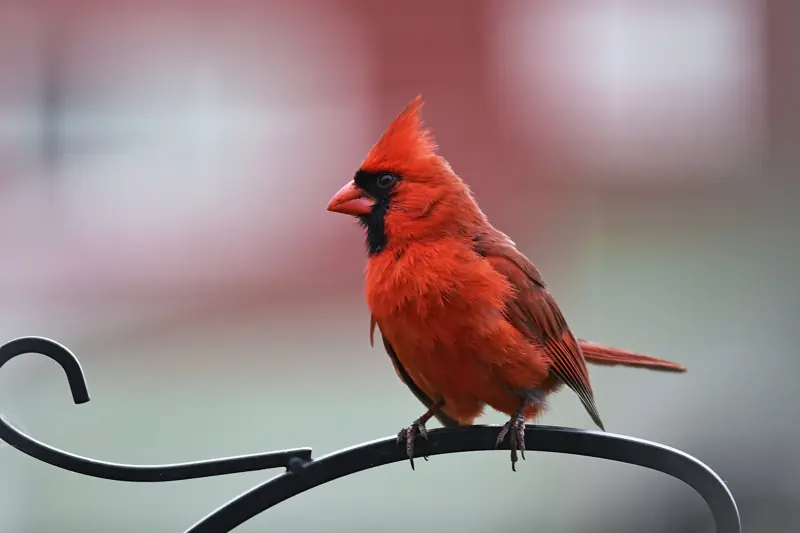
How to Attract Cardinals to Your Yard
Safflower, sunflower, a feeder with a wide perch and dense cover nearby: what northern cardinals need.
How to Attract More Birds to Your Yard
Ten proven changes to attract more birds, plus guides for cardinals, bluebirds, goldfinches, woodpeckers and more.