How to Attract Cardinals to Your Yard
Cardinals are year-round residents across much of the eastern and central U.S. Four things bring them in: the right seed, a feeder with room to perch, dense cover nearby and water.
Cardinal basics: range and behavior
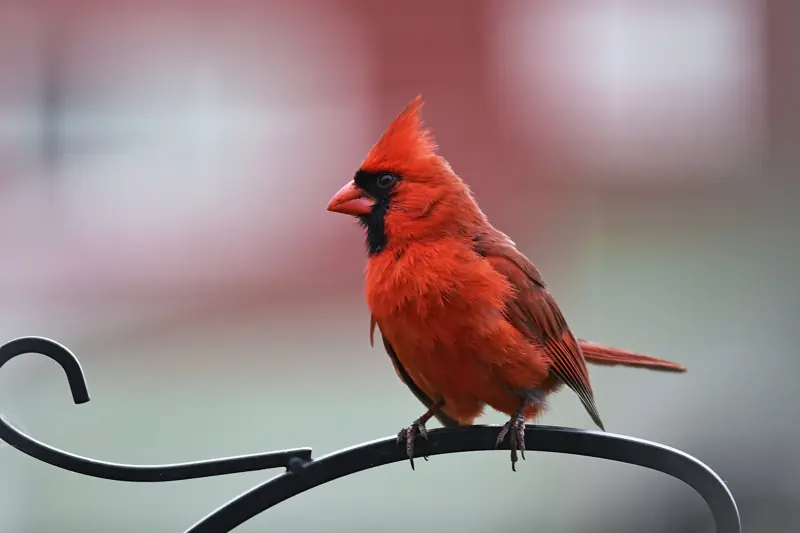
The northern cardinal (Cardinalis cardinalis) does not migrate. It lives year-round from the Great Plains east to the Atlantic and from southern Canada to the Gulf Coast. It also occurs in parts of the desert Southwest. Over the last century its range has expanded north into New England and southeastern Canada, helped by suburban shrubs and backyard feeders. Cardinals are not normally found along the Pacific coast.
Males are the bright red birds most people picture. Females are warm buff-brown with reddish tints on the crest, wings and tail. Both have the thick, cone-shaped, orange-red bill of a seed cracker. Both sexes sing, which is uncommon among North American songbirds.
Cardinals favor edge habitat: thickets, hedgerows and shrubby borders next to open ground. They rarely linger in the open and like to stay a short flight from dense cover. That one habit explains most of the feeder advice below. They are often among the first birds at feeders in the morning and the last in the evening, so check at dawn and dusk if you think you have none.
In spring, males sometimes attack their own reflection in windows or car mirrors, mistaking it for a rival. Covering the outside of the glass for a few weeks usually ends it.
What cardinals eat: the best seed
Cardinals eat seeds, fruit and insects. They feed insects to their nestlings. At feeders, they go for large seeds that their heavy bills can crack.
Safflower seed
Safflower is the seed most often recommended for cardinals, and the reasoning is sound. Cardinals, chickadees, titmice and doves eat it readily. House sparrows, European starlings and grackles tend to take less of it. Many squirrels find it less appealing than sunflower, though hungry squirrels will still eat it. If other birds are emptying your feeders, switching one feeder to safflower is a simple test.
Black-oil sunflower seed
Black-oil sunflower has a thin shell and a high-fat kernel, and it attracts the widest range of feeder birds. Cardinals eat it eagerly. If you only buy one seed, this is the one. Sunflower hearts (hulled kernels) cost more but leave no shells under the feeder.
Striped sunflower, cracked corn and millet
Cardinals can crack striped sunflower, which is thicker-shelled and harder for small birds. They will also pick up white proso millet and cracked corn from platform feeders or the ground. Millet and corn also draw sparrows, doves, blackbirds and squirrels, so offer them in small amounts.
For a side-by-side view of every common seed, see what bird seed attracts which birds. Or answer a few questions in the Bird Seed Selector.
Feeders cardinals will actually use
At about 8–9 inches long, cardinals are big for feeder birds and don’t turn their heads easily to reach small tube ports. Give them a place to stand facing the food.
- Hopper feeders: the classic house-shaped feeder with a ledge on each side is a good all-round choice.
- Platform or tray feeders: open trays, hung or on short legs, suit cardinals’ ground-feeding habits. Choose one with a mesh floor so seed drains and dries.
- Tube feeders with a seed tray or ring perch: standard finch tubes are awkward for cardinals, but models with a tray at the base or a circular perch work well.
Our best bird feeders guide compares specific hopper, platform and tube models by feature.
Where to put the feeder
Place cardinal feeders about 10–15 feet from dense shrubs or an evergreen hedge. That is close enough for a quick retreat, and far enough that a cat can’t ambush from the cover. A feeder in the middle of an open lawn gets fewer and shorter visits.
Window collisions kill hundreds of millions of birds a year in the U.S. The Cornell Lab recommends placing feeders either within 3 feet of a window, where a bird can’t build up speed, or more than 30 feet away. Our Feeder Placement Calculator works through these trade-offs for your yard. If squirrels are a problem, mount the feeder on a pole with a baffle. See feeder poles and baffles.
Habitat: cover, nesting and natural food
Cardinals will visit a feeder in a bare yard. They stay in yards with thick shrubs. Native shrubs give them cover, nest sites and fruit. Good choices across much of their range include:
- Viburnums (e.g., arrowwood, blackhaw): dense growth and fall fruit.
- Native hollies (Ilex spp.): evergreen cover and winter berries.
- Serviceberry (Amelanchier): early-summer fruit.
- Flowering and gray dogwoods (Cornus): fall fruit.
- Native sunflowers and coneflowers: seedheads to pick at in late summer and fall.
Check what is native to your area with Audubon’s native plant database. Cardinals usually nest low, a few feet up, in dense shrubs, tangles or young trees. A thick, unpruned corner of the yard is more useful to them than a tidy one. More ideas are in our bird-friendly backyard guide.
Water
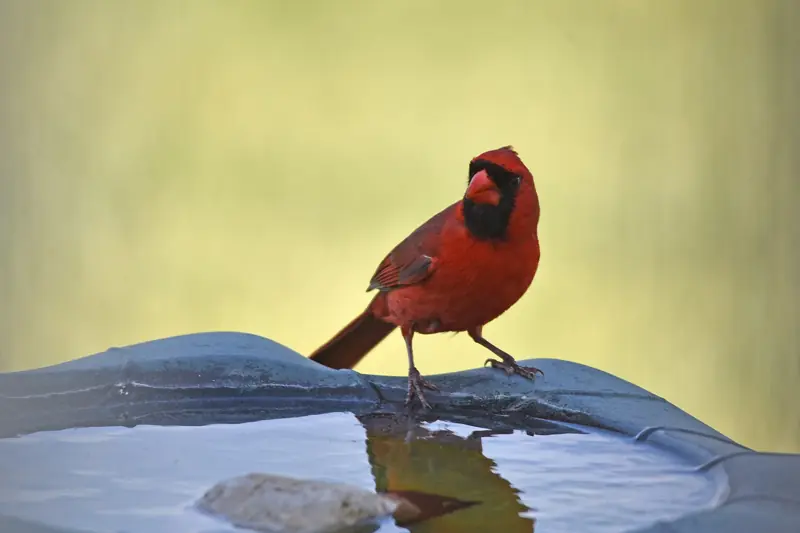
A shallow bird bath, about 1–2 inches deep with a gently sloping edge, draws cardinals to drink and bathe. Refresh the water every few days, which also keeps mosquitoes from breeding. In cold climates, a heated bath or de-icer provides open water when it is scarce. See our bird bath guide for placement and cleaning.
Watching cardinals up close
A window feeder or a feeder within a few feet of the glass gives close views without a camera. If you want photos or clips while you’re away, a camera feeder can help. Choose one with a tray or wide perch so cardinals can use it comfortably. Our smart bird feeder comparison notes which designs suit larger birds.
Cardinal quick reference
| Best seed | Safflower, black-oil sunflower, sunflower hearts |
|---|---|
| Also eats | Striped sunflower, white millet, cracked corn, berries, insects |
| Feeder | Hopper, platform/tray, or tube with a tray or ring perch |
| Placement | ~10–15 ft from dense cover; <3 ft or >30 ft from windows |
| Water | Shallow bath (1–2 in); heated in freezing weather |
| Nesting | Low in dense shrubs and tangles |
| Best viewing | Early morning and dusk |
| Migration | None: year-round resident |
Not sure the red bird is a cardinal? Male house finches and summer tanagers are also red. The Bird ID Helper suggests possible matches and the field marks that separate them.
Keep exploring
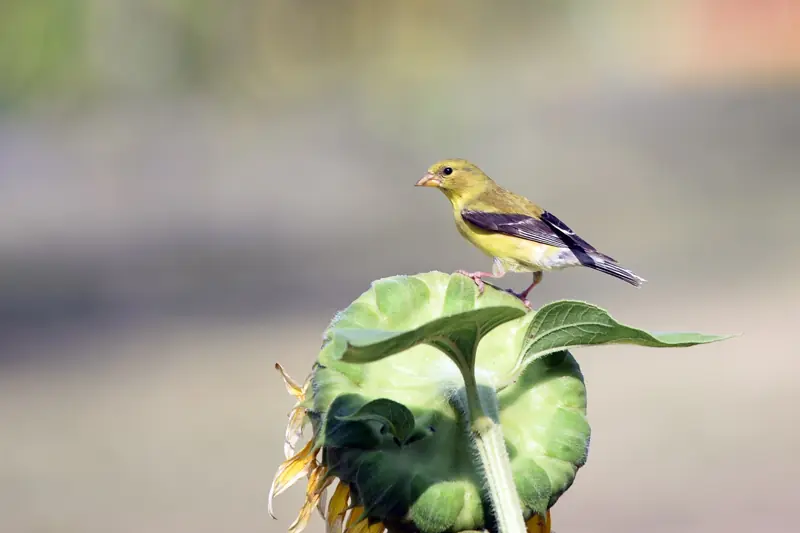
Bird Food Guide: Seed, Suet, Mealworms & Nectar
Seed, suet, mealworms, nectar and fruit: what to buy, what to skip and how to store it.
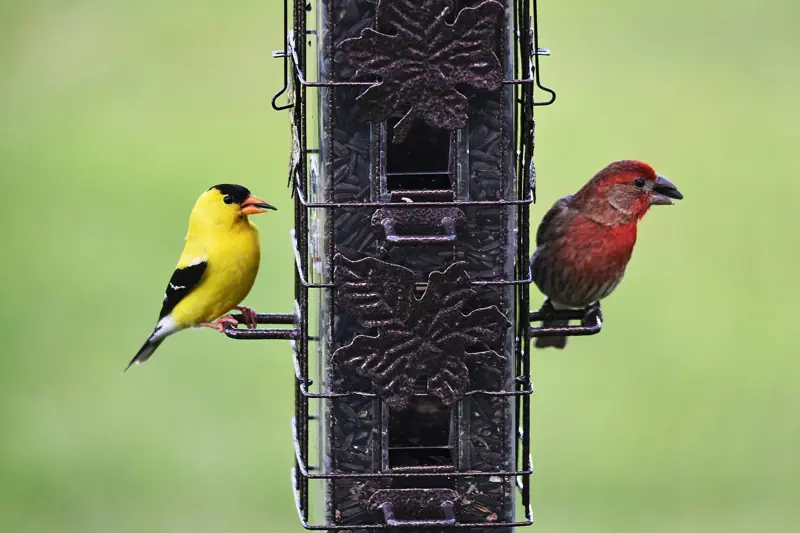
Best Bird Feeders by Type
Research-based picks for tube, hopper, platform, finch, suet, window and squirrel-proof feeders.
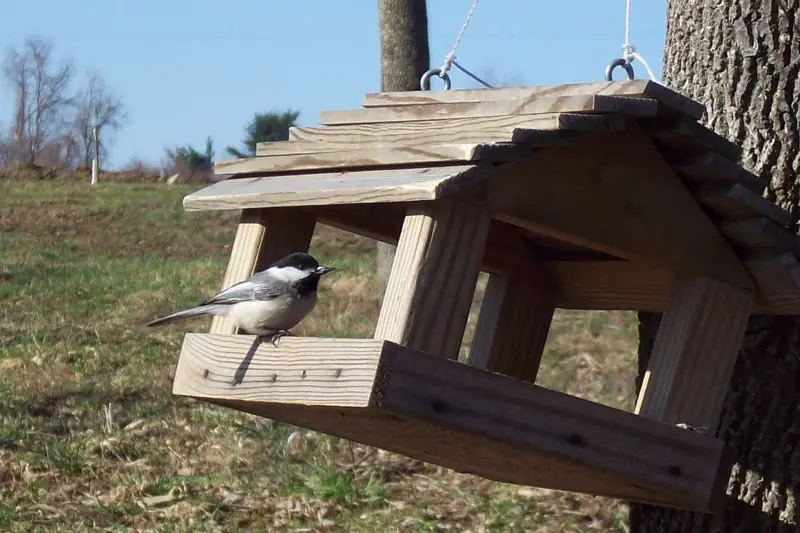
Bird Feeder Placement Guide: Where to Hang Your Feeders
Distance from cover, the 3-foot/30-foot window rule, height by feeder type and squirrel clearance.
Bird Seed Selector
Choose a bird, season and your squirrel and mess tolerance. Get the seed and feeder to use.
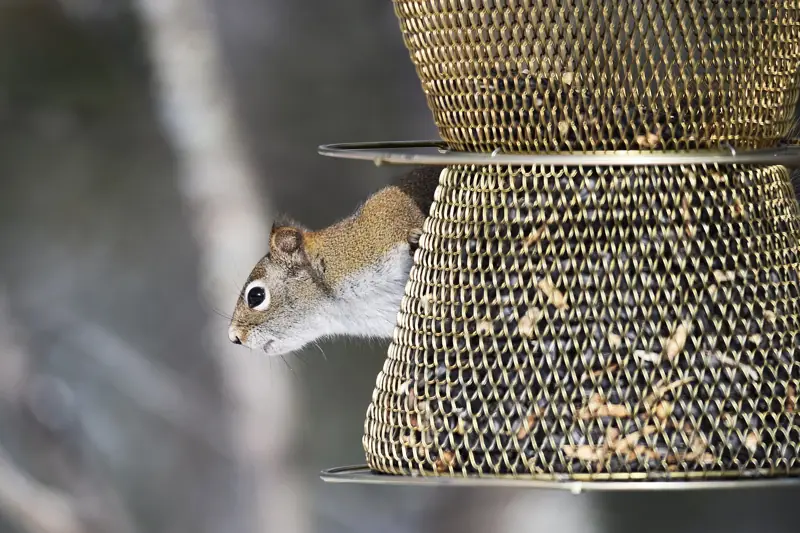
Squirrel-Proof Bird Feeders: What Actually Works
Weight-activated, caged and motorized feeders compared, plus baffles, placement and seed that squirrels skip.
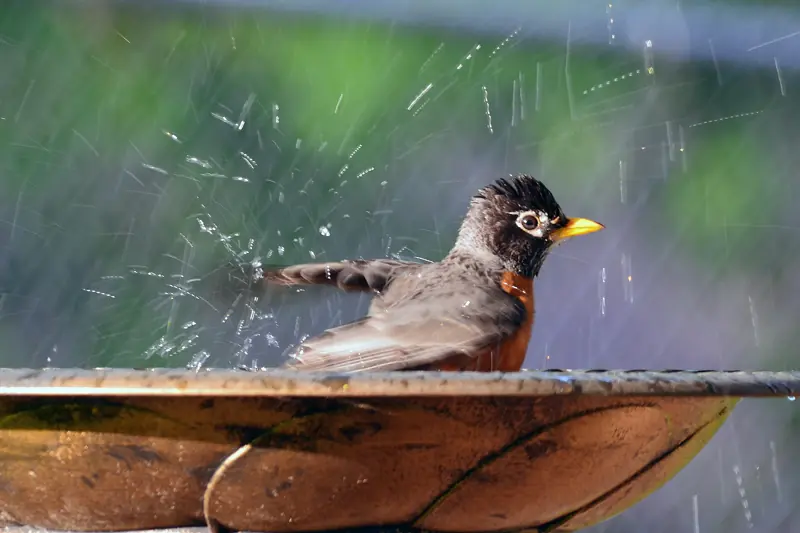
Bird Bath Guide: Setup, Placement and Seasonal Care
Depth, placement, drippers and heated baths, plus a cleaning schedule that keeps water safe.