Do You Really Need a Smart Bird Feeder? An Honest Answer
Camera feeders are fun and genuinely useful for some people. For others, a good regular feeder and binoculars are the better buy.
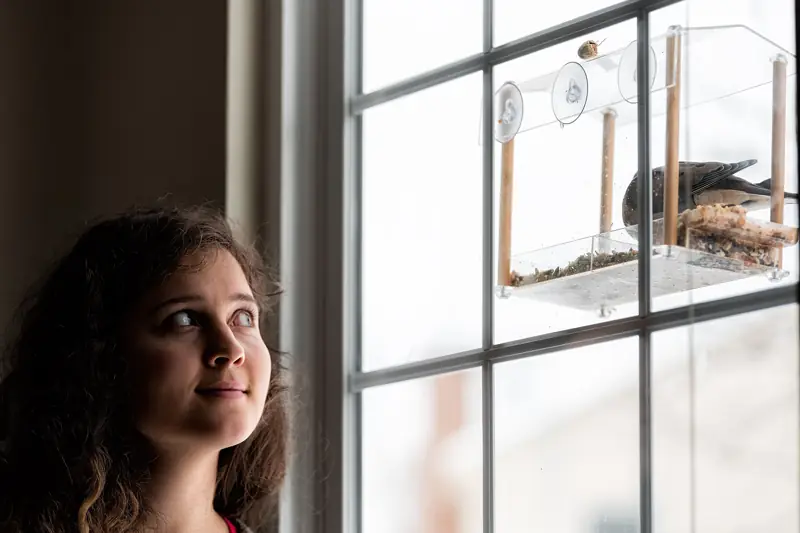
Smart bird feeders — with built-in cameras, AI species identification, and smartphone apps — have become genuinely popular over the last few years. Birdfy and Bird Buddy are now mainstream products sold at major retailers, alongside many lesser-known brands. They typically cost several times more than a good conventional feeder, and some features need a paid subscription.
The obvious question from anyone considering one: is this actually worth it, or is it an expensive gadget for something an ordinary feeder does just as well?
The honest answer is: it depends on who you are. For some people, a smart feeder is a great addition. For others, it’s money that would be better spent on seed and a good pair of binoculars. Here’s how to tell which camp you fall into.
What a Smart Bird Feeder Actually Does
Before evaluating whether you need one, it helps to be clear on what the technology actually delivers. Features vary by brand and model, but most smart feeders offer some combination of:
- Motion-triggered photos and video clips of visitors, saved to the cloud and/or a memory card depending on the model
- AI species suggestions that label visits with a likely species. It’s usually good with common adult birds and less reliable with females, juveniles and look-alikes.
- Push notifications when specific species land (you can set alerts for particular birds you want to see)
- A life list feature that builds a record of every species that has visited your feeder over time
- Night vision on many models, which mostly shows what raids the feeder after dark
- Social features on some platforms — share sightings with other users in your area
Who Benefits Most from a Smart Feeder
People Who Work From Home or Have Limited Outdoor Time
If you have a feeder but frequently miss the activity because you’re busy, traveling, or not always near the window, a smart feeder helps. Instead of occasional sightings, you have a continuous logged record of every bird that visited, with video, even while you were in meetings or asleep. The feeder becomes a passive data-collection system rather than something you have to be present to enjoy.
People Who Want to Learn Species
AI identification is genuinely useful for building identification skills. Seeing a close-up photo labeled “white-breasted nuthatch” is a quick way to connect names to birds. It works best if you check the suggestions against a field guide or Merlin rather than accepting them blindly.
People Who Are List-Keepers
If you’re someone who enjoys keeping records — species lists, visit counts, first-of-season sightings — automatic logging is appealing. The camera records visits you would otherwise miss. Confirm its species labels before adding them to eBird or a personal list.
People Who Travel and Worry About Their Yard
A smart feeder lets you watch your yard from anywhere in the world. If you’re a birder who travels for work and hates missing fall migration at home, or if you have a vacation property where you want to know what species are using the yard while you’re away, a smart feeder is legitimately useful.
People Who Want to Share Birding with Family
Multiple people can view the same feeder through the app. This makes smart feeders excellent for families with children interested in birds, or for sharing your yard with an elderly parent who can’t easily go outside but wants to watch birds. The social sharing aspect is a real draw for many users.
Who Probably Doesn’t Need a Smart Feeder
People Who Sit by the Window and Watch
If your hobby is sitting by the window with a cup of coffee and watching birds, you already have the best system — your own eyes. The technology doesn’t improve that experience. You’re already seeing what the camera would show you, in real time, with your own experience and knowledge rather than an app telling you what you’re seeing.
Casual Feeders Who Just Enjoy Having Birds Around
If your relationship with backyard birding is “I like having birds around while I garden” rather than “I track species and want to know what I’m seeing,” the additional complexity of an app-connected camera feeder probably isn’t worth the price premium. A good traditional feeder that you keep clean and stocked will serve you just as well.
People in Very Low Bird Activity Areas
If you’re in a dense urban environment with limited green space, a smart feeder won’t conjure birds that aren’t in the area. The technology makes visiting birds easier to see and identify; it doesn’t attract more birds. If your primary problem is low bird activity, invest in habitat improvements first: better seed, water source, native plants.
The Real Value Question: What’s It Worth to You?
Add up the total cost of ownership, not just the sticker price: the feeder, any optional solar panel, a memory card if needed, and any subscription for cloud storage or advanced AI features. Some brands work well without a subscription and some reserve key features for subscribers. That can change, so check the brand’s current plan page before you buy. Our subscription guide explains what to look for.
The people who feel most positive about smart feeder purchases are usually those who use the app regularly, engage with the species identification and list-building features, and end up with a deeper understanding of what’s visiting their yard. The people who feel it wasn’t worth it usually set it up, checked the app for a few weeks, and then stopped engaging with the technology features — at which point they’re paying for a camera feeder when they wanted a feeder.
Which Smart Feeder?
If you decide a smart feeder is right for you, our best smart bird feeders guide compares the main options. Our Birdfy vs Bird Buddy comparison covers the two best-known brands side by side.
The Bottom Line
A smart bird feeder is worth the investment if you want to: learn bird species faster, keep an automatic record of feeder visitors, watch your yard when you’re not there, or share the experience with people who can’t be present. It’s not worth it if you’re already satisfied just watching birds at the window, or if you want something simple with no technology.
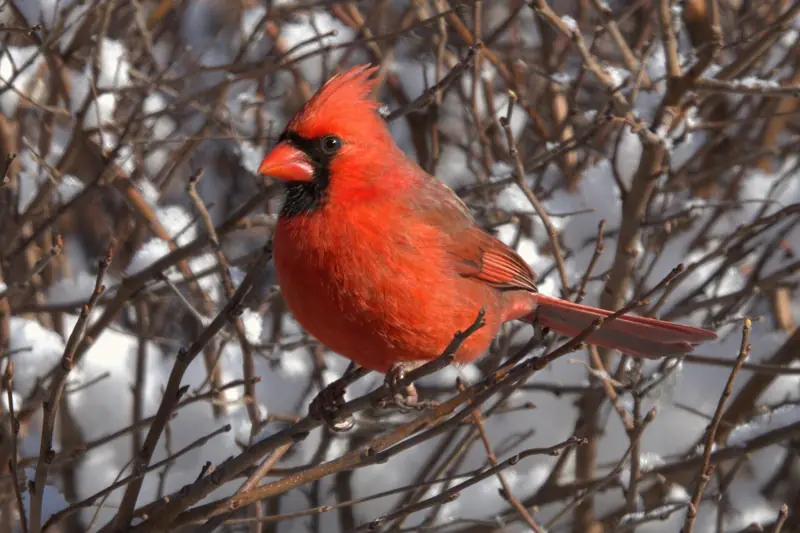
The fundamental enjoyment of birds — the cardinal at dawn, the chickadee grabbing a sunflower seed and darting to the nearest branch — doesn’t require any technology at all. Smart feeders just give you more of it, more often, and with more context. Whether that matters to you is the only question that determines whether they’re worth buying.
Keep exploring
Best Smart Bird Feeders: Birdfy, Bird Buddy & More Compared
Birdfy, Bird Buddy and alternatives compared by camera, power, AI and subscription, with picks by use case.
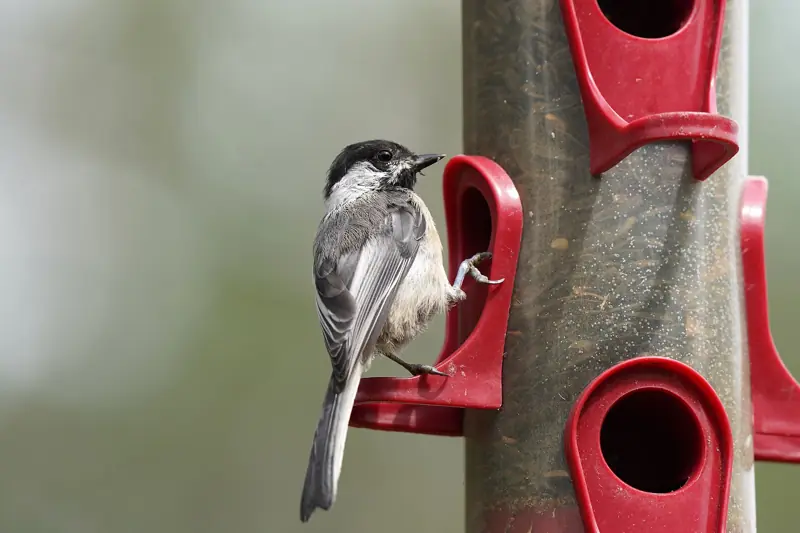
Smart Bird Feeder Buying Guide
Camera, power, Wi-Fi, AI, storage and subscriptions: the specs that matter and how to compare total cost.
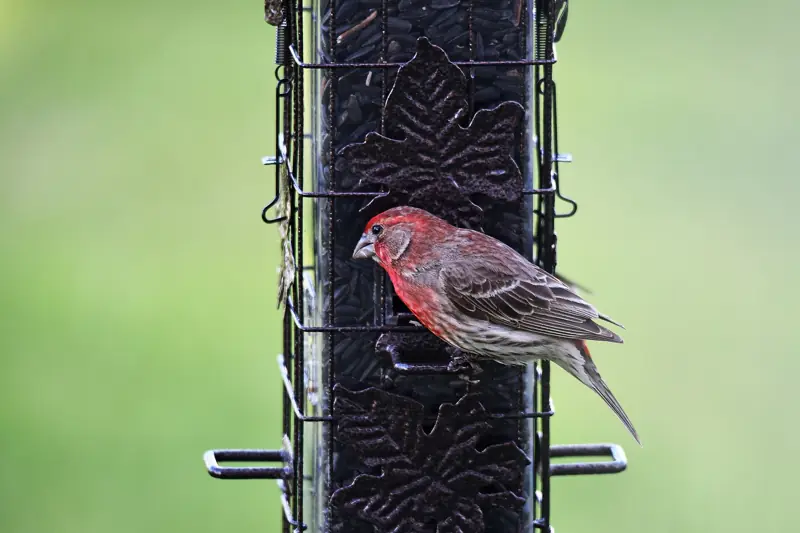
Birdfy vs Bird Buddy: Which Smart Feeder Fits You?
Hardware lineup, cameras, AI, apps and subscriptions: how the two biggest smart feeder brands differ.
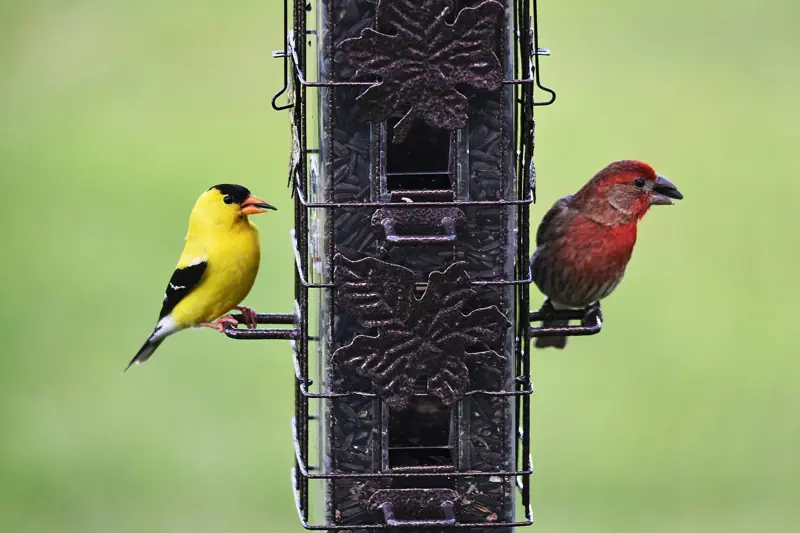
Best Bird Feeders by Type
Research-based picks for tube, hopper, platform, finch, suet, window and squirrel-proof feeders.
Backyard Bird Photography for Beginners
Light, shutter speed, focus modes and perch setups for sharper feeder photos, with a phone or a camera.
Smart Birdwatching
Camera feeders, apps and photography guides: what technology adds to backyard birding and what it costs.