Smart Bird Feeder Buying Guide
Which specs matter on a camera feeder, which are marketing, and how to work out the real cost once subscriptions are included.
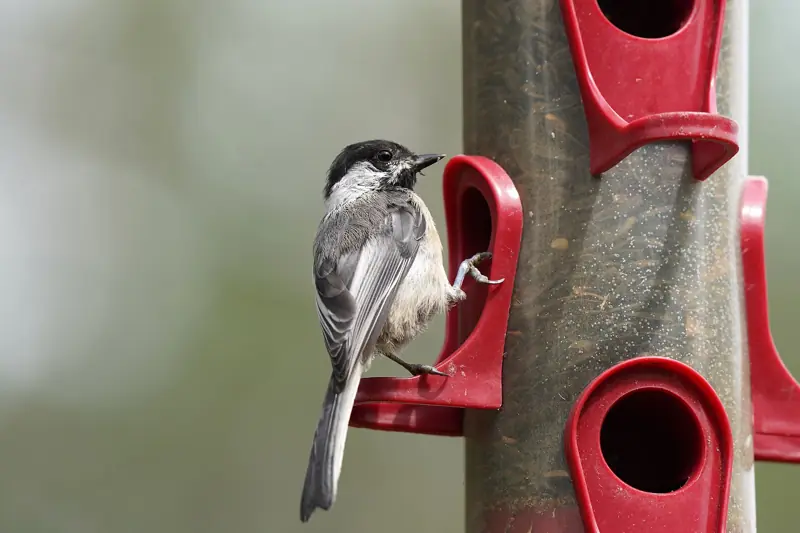
A smart (camera) bird feeder combines a seed feeder with a Wi-Fi camera that records visits, sends alerts and, on most models, suggests the species with AI. Spec sheets can be hard to compare. This guide explains what each spec means in practice, based on manufacturer documentation, independent reviews and common themes in owner feedback.
1. Camera: resolution is only part of it
- Resolution: 2K is now common on current models. Higher numbers help, but framing matters as much. A camera focused close on the perch gives more detail on a bird than a higher-resolution camera shooting wide.
- Sensor size and HDR: larger sensors and HDR handle backlit birds and shade better. Makers increasingly list sensor size, such as 1/2.7-inch; bigger is generally better.
- Close focus: birds sit inches from the lens, so a camera that focuses close gives sharper portraits.
- Field of view: wide lenses show more birds and the scene, and tighter framing shows more detail. Dual-lens models give both.
- Night vision: mostly useful for seeing what raids the feeder after dark.
2. Power: battery, solar and where you’ll mount it
Most smart feeders run on a rechargeable battery. A solar panel, built in or add-on, can keep it topped up with several hours of direct sun a day. In shady yards or northern winters, plan on occasional charging. If a model’s solar panel is separate, check the cable length for your mounting spot.
3. Wi-Fi and the app
Most units connect over 2.4 GHz Wi-Fi. Poor signal at the feeder is one of the most common complaints in owner reviews, so check signal strength on your phone at the exact spot first. A mesh node or extender may help. The app is where you’ll spend your time. Look at recent app-store reviews for notification reliability, clip loading and update frequency.
4. AI identification
AI species ID is the headline feature and the one to be most skeptical about. It generally works well for common adult birds in good light and struggles with juveniles, females, look-alikes (house vs. purple finch, downy vs. hairy woodpecker) and poor light. Check two things:
- Is ID included, capped or subscription-only? (See below.)
- Can you correct wrong IDs? This matters if you log sightings to eBird or keep a list.
5. Storage
Clips are stored in the cloud, on a microSD card, or both, depending on the model. Cloud retention often depends on the plan. Free tiers may keep clips for a limited time, while paid tiers keep them longer. If you want to keep footage, check whether you can download it easily.
6. Subscriptions: what’s free and what isn’t
Subscriptions are the biggest hidden cost in this category, and the terms change. As of September 2026:
| Brand | Free tier | Paid plan adds | Notes |
|---|---|---|---|
| Birdfy | Clips, alerts, live view, limited daily AI recognitions (10/day per Birdfy’s help center) | Plus (2 devices) / Pro (10 devices): unlimited recognition, longer cloud retention, product discounts | Some models sold with lifetime AI included |
| Bird Buddy | Automatic photos and videos, live stream, HD/2K video, manual AI+ analysis | Premium (Individual or Family): automatic AI+ analysis, 2K Ultra, naming birds, bird-care and cat alerts, discounts | One-week free trial; Family plan shares with guests |
| Security-camera mounts | Whatever your camera offers | Your camera maker’s cloud plan, if used | No bird ID; use Merlin |
Sources: Birdfy Membership help; Birdbuddy memberships. Check both pages for current pricing before buying.
How to compare real cost: list the features you’d actually use, such as automatic ID, longer clip storage or family sharing. Find the cheapest plan that covers them and multiply by 36 months. Add that to the hardware price. A cheaper feeder with a necessary subscription can cost more over three years than a pricier model with AI included.
7. Feeder design still matters
- Seed capacity: smart feeders usually hold less than conventional ones. Busy yards may need refills every few days.
- Perch and tray size: a wide tray suits cardinals and jays. Small perches suit chickadees and finches.
- Drainage and cleaning: look for a seed tray that drains and comes apart. Cleaning schedules still apply; see how to clean a bird feeder.
- Weather and squirrels: check the weather-resistance rating and plan to use a baffled pole.
Checklist before you buy
- Wi-Fi signal is good at the mounting spot
- The spot gets enough sun for solar, or you’re fine charging the battery
- You know which features need a subscription and what it would cost over three years
- The feeder design suits the birds you want
- The spot is under 3 feet or over 30 feet from windows and clear of squirrel launch points
Keep exploring

Best Smart Bird Feeders: Birdfy, Bird Buddy & More Compared
Birdfy, Bird Buddy and alternatives compared by camera, power, AI and subscription, with picks by use case.
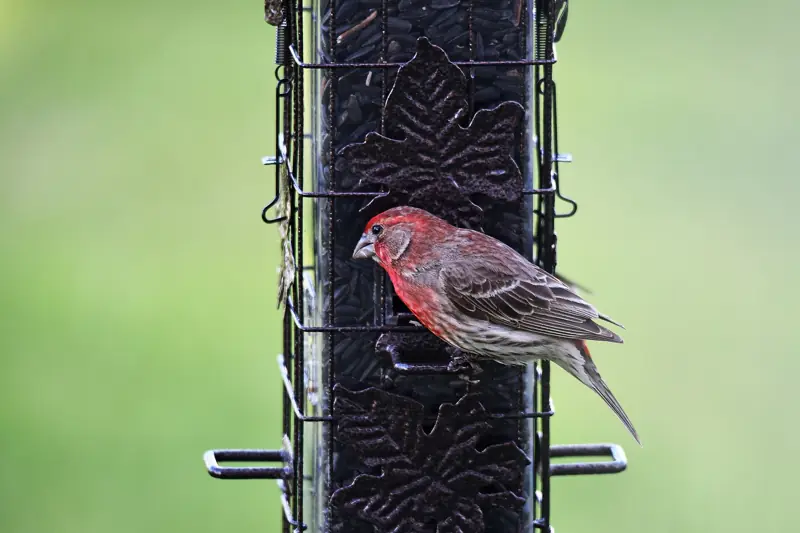
Birdfy vs Bird Buddy: Which Smart Feeder Fits You?
Hardware lineup, cameras, AI, apps and subscriptions: how the two biggest smart feeder brands differ.
Do You Really Need a Smart Bird Feeder? An Honest Answer
Who gets real value from a camera feeder, who doesn’t, and the ongoing costs to check first.
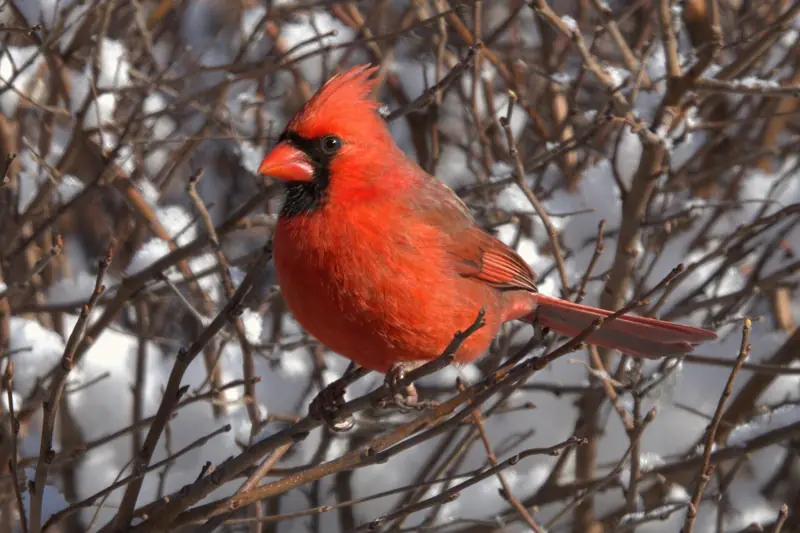
Backyard Bird Photography for Beginners
Light, shutter speed, focus modes and perch setups for sharper feeder photos, with a phone or a camera.
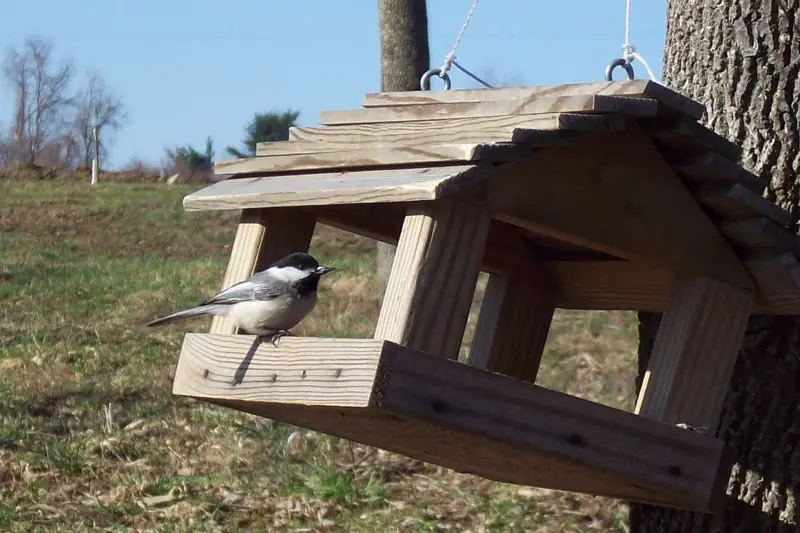
Bird Feeder Placement Calculator
Window distance, cover, cats, squirrels and feeder type become a placement zone and mounting height.
Smart Birdwatching
Camera feeders, apps and photography guides: what technology adds to backyard birding and what it costs.