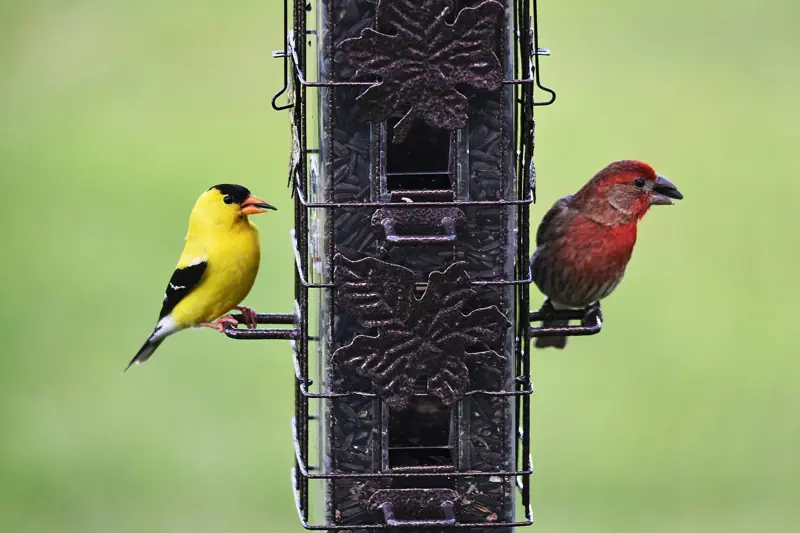
Feeders
Best Bird Feeders by Type
Research-based picks for tube, hopper, platform, finch, suet, window and squirrel-proof feeders.
Feeder design decides who can eat. Here’s what each type does well and which birds it suits.
Research-based picks for tube, hopper, platform, finch, suet, window and squirrel-proof feeders.
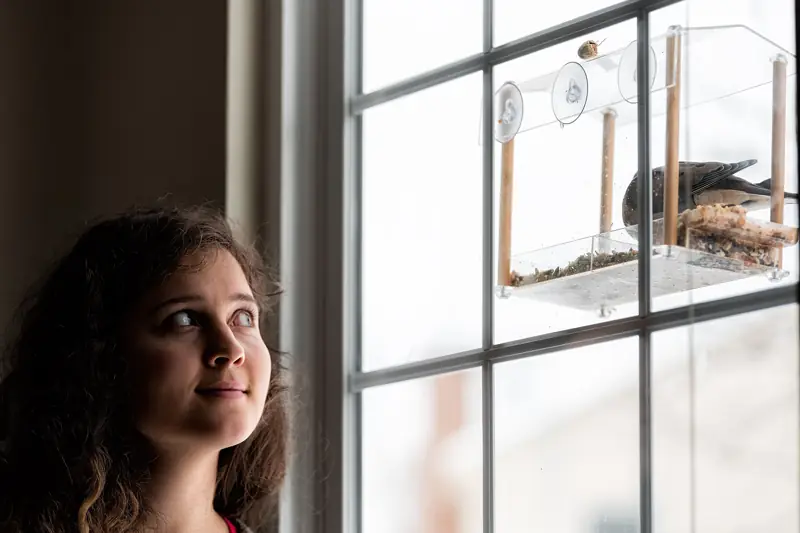
Birdfy, Bird Buddy and alternatives compared by camera, power, AI and subscription, with picks by use case.
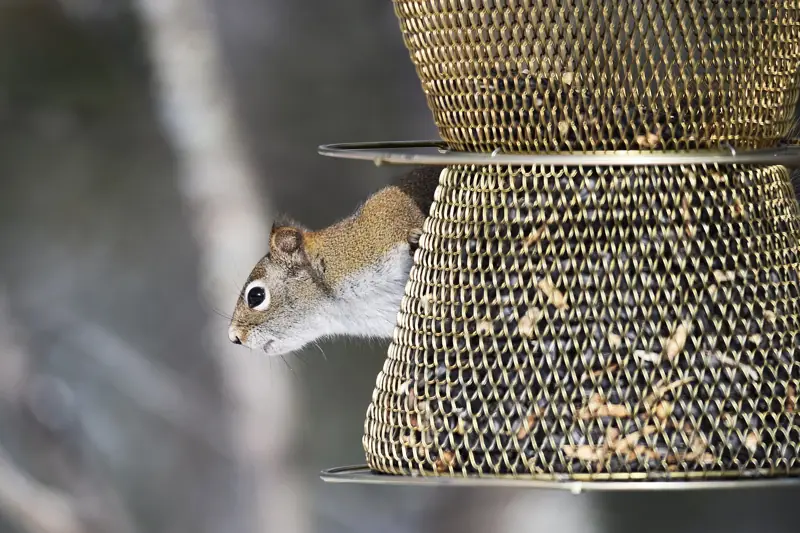
Weight-activated, caged and motorized feeders compared, plus baffles, placement and seed that squirrels skip.
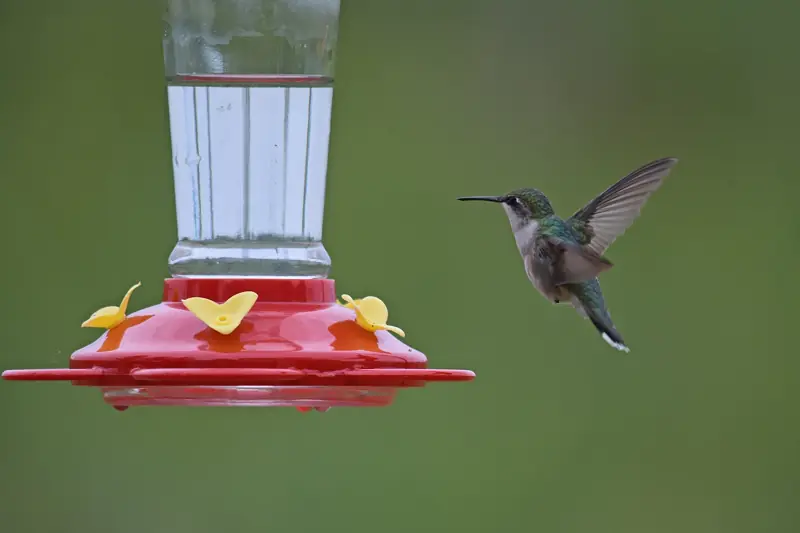
Nectar recipe, feeder styles that are easy to clean, placement and a temperature-based cleaning schedule.
Pole systems, dome vs. stovepipe baffles, mounting heights and the accessories worth adding.
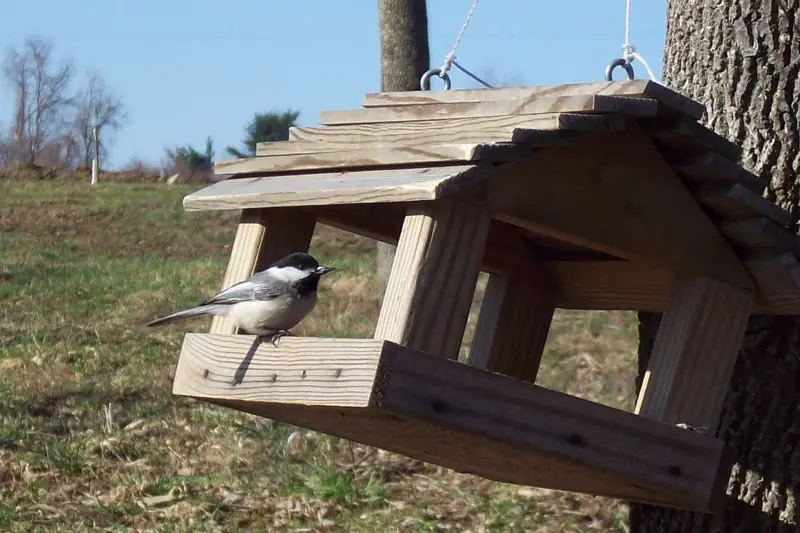
Distance from cover, the 3-foot/30-foot window rule, height by feeder type and squirrel clearance.
| Type | Best food | Birds it suits | Pros | Watch out for |
|---|---|---|---|---|
| Tube | Sunflower, chips, mixes | Chickadees, titmice, finches, nuthatches | Keeps seed dry; limits big birds | Cardinals find small perches awkward |
| Hopper | Sunflower, safflower, mixes | Cardinals, jays, grosbeaks, most seed-eaters | Versatile; holds a lot | Wooden ones harder to clean |
| Platform / tray | Sunflower, millet, peanuts, fruit | Doves, juncos, cardinals, jays, sparrows | Serves the most species | Needs frequent cleaning; open to squirrels |
| Nyjer / finch | Nyjer, sunflower chips | Goldfinches, siskins, redpolls | Targets finches | Seed must be fresh |
| Suet | Suet cakes, dough | Woodpeckers, nuthatches, wrens | Winter energy; cheap | Use no-melt in heat |
| Hummingbird | 1:4 sugar water | Hummingbirds (orioles at larger ports) | Close views | Nectar changes every 1–3 days |
| Window | Sunflower, chips, nectar | Chickadees, finches, titmice | Closest views; low-speed collision zone | Small capacity |
| Squirrel-proof | Sunflower, mixes | Small and medium songbirds | Stops seed theft | Heavy birds may trip mechanisms |
| Smart / camera | Sunflower, mixes | Most small and medium seed-eaters | Records visits; AI suggestions | Cost, Wi-Fi, subscriptions |
If you’re starting from scratch: one tube or hopper feeder with black-oil sunflower, plus one suet feeder in cold months or a nyjer feeder for finches. Mount them on a baffled pole about 10–15 feet from shrubs and at a safe window distance. Add a shallow bird bath. That combination covers most common backyard birds. See the beginner’s guide to feeding birds.
Research-based picks for tube, hopper, platform, finch, suet, window and squirrel-proof feeders.
Pole systems, dome vs. stovepipe baffles, mounting heights and the accessories worth adding.
Distance from cover, the 3-foot/30-foot window rule, height by feeder type and squirrel clearance.
Weight-activated, caged and motorized feeders compared, plus baffles, placement and seed that squirrels skip.
Birdfy, Bird Buddy and alternatives compared by camera, power, AI and subscription, with picks by use case.
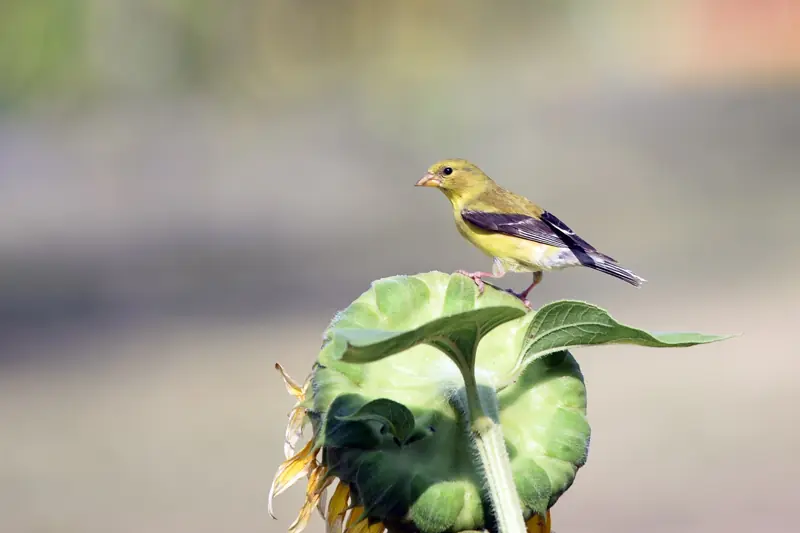
Seed, suet, mealworms, nectar and fruit: what to buy, what to skip and how to store it.