How to Clean a Bird Feeder: Step-by-Step Guide
Dirty feeders can spread disease. A two-week routine and the right brushes keep it quick.
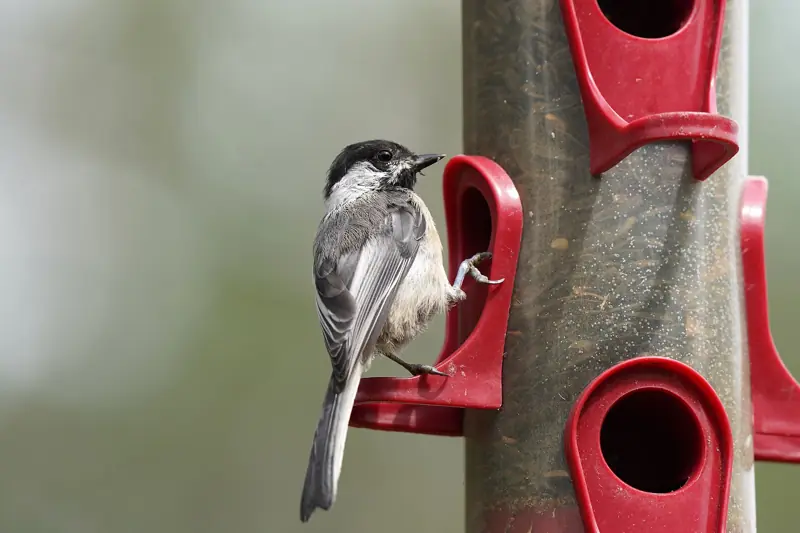
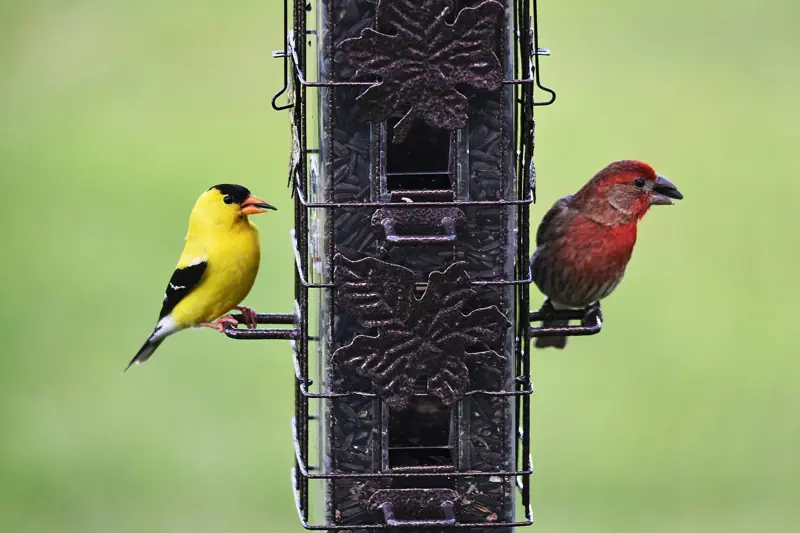
Feeders bring birds into close contact, which also helps diseases spread. Wet, spoiled seed can grow molds, including some that produce toxins. Droppings on trays and perches can spread salmonellosis. House finch eye disease (mycoplasmal conjunctivitis) causes swollen, crusty eyes, is often fatal for affected birds, and can pass between birds at feeder ports. Regular cleaning is one of the most useful things you can do for the birds you feed.
The good news: it’s faster than most people expect once you have the right tools and a routine.
Tube feeders hide trouble well. Seed can look fine through the tube while mold builds up around the ports and in the base. That’s why a fixed schedule works better than cleaning “when it looks dirty.”
How Often to Clean
Cleaning frequency depends on feeder type and weather conditions:
- Tube and hopper feeders: about every two weeks, which is Project FeederWatch’s guidance, and more often in wet or humid weather or with heavy traffic
- Platform and tray feeders: Clean weekly; these accumulate droppings fastest and wet seed rots quickly on open surfaces
- Hummingbird feeders: Clean every 1–2 days in heat (above 80°F); every 4–5 days in cool weather; every time you refill
- Suet feeders: Clean monthly; suet feeders have less disease risk than seed feeders but still need regular scrubbing
- After any disease sighting: If you notice House Finches or other birds with swollen, crusty, or weeping eyes at your feeder, take feeders down for a week or two so birds disperse, and clean everything before putting it back up
What You Need
- A bucket (dedicated to feeder cleaning — don’t use it for other household tasks)
- Bleach (unscented household bleach, 5.25–8.25% sodium hypochlorite)
- Bottle brush (for tube feeders)
- Small port brushes or pipe cleaners (for feeder ports)
- Stiff scrub brush (for platform feeders and hoppers)
- Old toothbrush (for seams, corners, and perch holes)
- Rubber gloves
Make a cleaning station outside or in a utility sink if possible — feeder water should not go down your kitchen drain due to Salmonella risk.
How to Clean a Tube Feeder
- Empty completely. Discard any old, wet, or suspicious seed. Don’t dump it under the feeder — add it to a compost pile or bag and dispose of it.
- Disassemble. Remove the cap, base, and any removable ports or perches.
- Rinse with hot water. Flush out seed dust and debris from inside the tube.
- Scrub with bottle brush. Scrub the inside of the tube thoroughly. Scrub port holes with a small port brush or pipe cleaner — these accumulate mold and bacteria at the edges.
- Soak in bleach solution. Mix 1 part bleach to 9 parts water (about 2 tablespoons of bleach per cup of water). Submerge or fill the disassembled feeder in this solution for 10–15 minutes.
- Scrub again after soaking. Any remaining debris should come off easily after soaking.
- Rinse thoroughly — at least 3 times. Bleach residue is harmful to birds. Rinse until you can’t smell bleach.
- Air dry completely. This is critical — putting seed into a damp feeder immediately creates mold conditions. Let dry in open air for at least 1–2 hours; overnight if possible.
- Refill with fresh seed.
How to Clean a Hopper (House) Feeder
- Empty and remove any accumulated wet or clumped seed from the tray
- Disassemble as much as possible — remove the roof, base tray, any removable dividers
- Scrub tray, base, and interior walls with the stiff brush; use the old toothbrush for corners and seams
- Soak all parts in bleach solution for 10–15 minutes
- Rinse thoroughly at least 3 times
- Air dry completely before refilling
Check the drainage holes in the tray — these frequently clog with wet seed and husks, causing water to pool and seed to rot. Clear them with a toothpick or pipe cleaner every time you clean.
How to Clean a Platform Feeder
Platform feeders need the most frequent attention since they’re fully open to weather and accumulate droppings directly in the seed. Clean weekly at minimum.
- Remove all seed and debris — a paint scraper or plastic scraper works well for caked seed
- Scrub the mesh or solid floor with a stiff brush
- Spray or dunk in bleach solution
- Rinse thoroughly
- Let dry — this is fast for mesh-bottom feeders since water drains through
How to Clean a Hummingbird Feeder
See our hummingbird feeder guide for full details, but the essential steps:
- Empty all nectar (never top off old nectar with fresh — always empty and refill)
- Disassemble completely
- Rinse with hot water
- Scrub reservoir with bottle brush; scrub ports with port brush or pipe cleaner
- For black mold: soak in bleach solution 10–15 minutes; rinse at least 5 times
- Air dry before refilling. Skip soap if you can, or rinse very thoroughly.
Cleaning the Area Below Feeders
Fallen seed, hulls, and droppings accumulate below feeders and create a disease reservoir even if the feeder itself is clean. Rake or clear the area below feeders monthly. Some birders put a tray or hardware cloth below feeders to catch hulls for easier cleanup. Replace any contaminated soil or mulch below the feeder annually if you have heavy traffic.
When to Replace a Feeder
Even with good cleaning, feeders eventually degrade and become uncleanable:
- Plastic cracked or permanently stained with mold — bleach can’t reach the cracks
- Ports widened or damaged to the point where seed flows out uncontrolled
- Wooden feeders that have absorbed moisture and developed rot in the seams
- Metal feeders with rust that won’t scrub clean
Metal and UV-resistant polycarbonate feeders generally outlast thin plastic ones. Designs that come apart without tools are much easier to keep clean. Our best bird feeders guide favors easy-clean designs.
Useful cleaning supplies
A long bottle brush, a set of small port brushes and a dedicated bucket make the job quick.
Cleaning Quick Reference
- Cleaning solution: 1 part bleach to 9 parts water
- Soak time: 10–15 minutes minimum
- Rinse times: At least 3 times for seed feeders; 5 times for hummingbird feeders
- Must dry completely before refilling
- Soap: avoid it, or rinse very thoroughly
- Sick birds seen: take feeders down for a week or two, and clean feeders and the ground below
- Frequency: about every two weeks for seed feeders; every 1–5 days for hummingbird feeders depending on temperature
Keep exploring
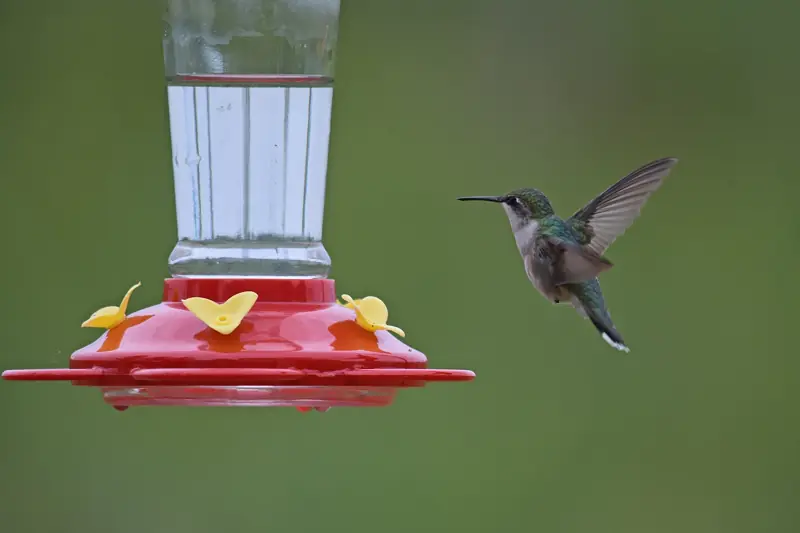
Hummingbird Feeder Guide: Nectar, Feeders, Placement & Cleaning
Nectar recipe, feeder styles that are easy to clean, placement and a temperature-based cleaning schedule.
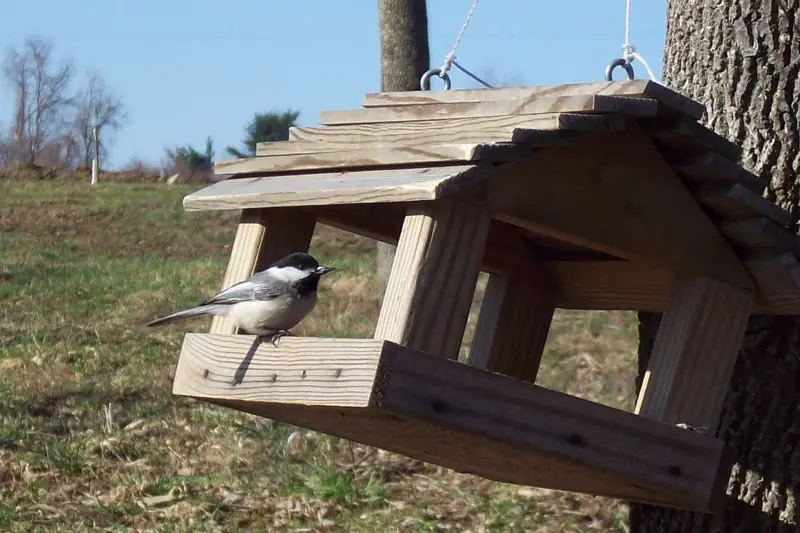
Bird Feeder Types: Which Feeder for Which Birds
Tube, hopper, platform, suet, nyjer, hummingbird, window, squirrel-proof and smart feeders compared.
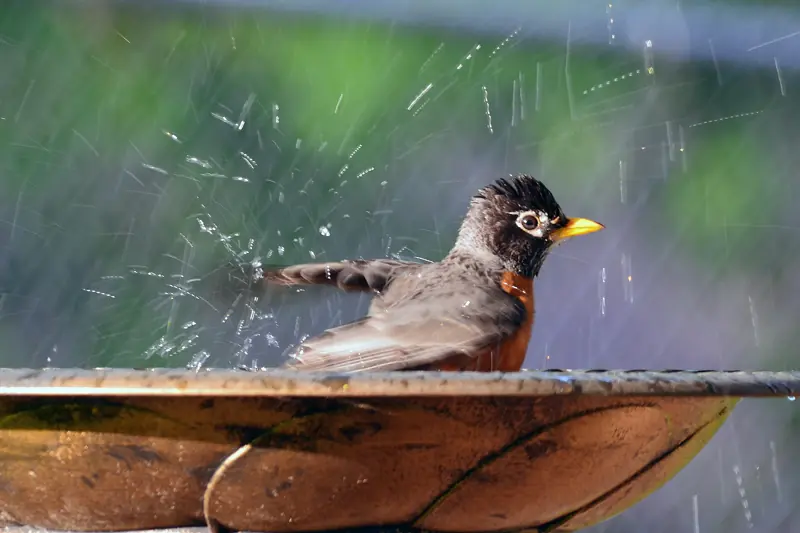
Bird Bath Guide: Setup, Placement and Seasonal Care
Depth, placement, drippers and heated baths, plus a cleaning schedule that keeps water safe.
The Beginner’s Guide to Backyard Bird Feeding
Your first feeder, the three seeds worth buying, where to hang it and how to keep it clean.
Bird Food Guide: Seed, Suet, Mealworms & Nectar
Seed, suet, mealworms, nectar and fruit: what to buy, what to skip and how to store it.
Best Bird Feeders by Type
Research-based picks for tube, hopper, platform, finch, suet, window and squirrel-proof feeders.