How to Attract Goldfinches to Your Yard
Goldfinches eat seeds and almost nothing else. Fresh nyjer or sunflower chips in the right feeder, and flowers left to go to seed, will bring them in.
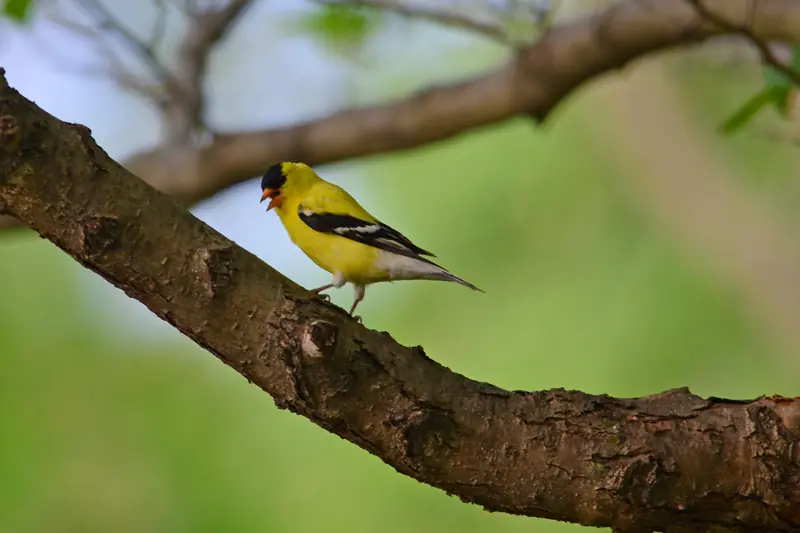
Goldfinch basics
The American goldfinch is found across most of the U.S. and southern Canada. It is present year-round across much of the northern and central U.S., breeds farther north, and spends winter across the South. In the West you may also see the lesser goldfinch, and in California and Arizona the less common Lawrence’s goldfinch. See All About Birds for range maps.
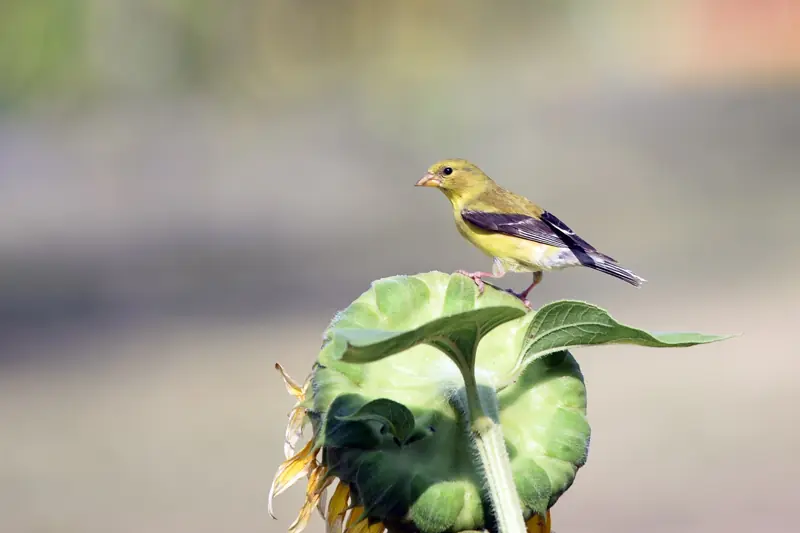
Male American goldfinches are brilliant yellow with a black cap in spring and summer. After a fall molt, both sexes turn a dull olive-brown for winter. Many people think “their” goldfinches left when they’ve just changed color. Look for the black wings with pale wing bars and the short, conical bill.
What goldfinches eat
American goldfinches are among the most strictly vegetarian songbirds in North America. They eat seeds almost exclusively and even feed seeds to their young. At feeders they favor small seeds and hulled sunflower.
| Food | Feeder | Notes |
|---|---|---|
| Nyjer (thistle) | Nyjer tube with tiny ports, or a mesh “finch sock” | Must be fresh; finches ignore dried-out seed |
| Sunflower hearts/chips | Tube or mesh feeder | Very popular; no shells, but spoils quickly when wet |
| Black-oil sunflower | Tube or hopper | Eaten readily, especially in winter |
| Finch blends | Tube or mesh | Usually nyjer plus sunflower chips; check the ingredients |
Keep nyjer fresh
If a nyjer feeder goes quiet, stale seed is the usual culprit. Buy amounts you’ll use in a few weeks, store them cool and dry, and don’t overfill the feeder. Dump seed that clumps or smells musty, and clean the ports. Nyjer sold in the U.S. is heat-treated so it won’t sprout.
Feeders goldfinches like
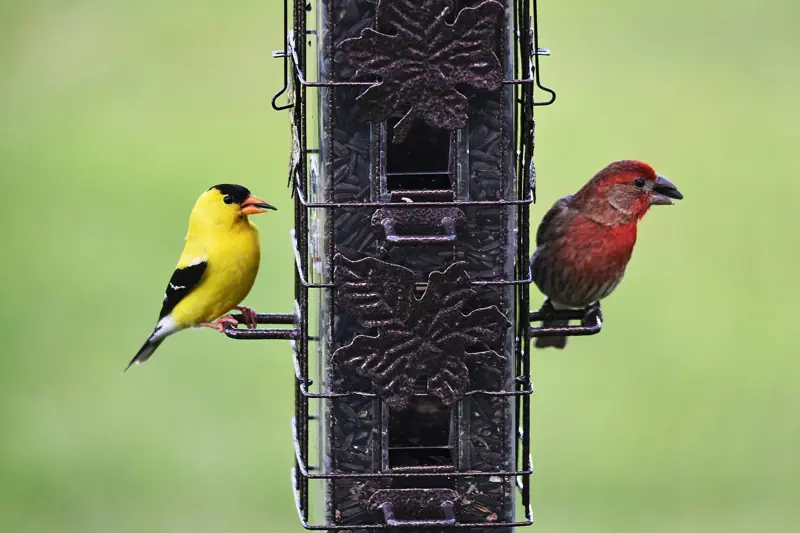
- Nyjer tube feeders with small ports and several perches. Goldfinches happily feed upside down, and some feeders put ports below perches to favor them over house finches.
- Mesh finch feeders or socks: birds cling anywhere on the surface, so many can feed at once. Socks are cheap but harder to clean and can hold moisture; metal mesh lasts longer.
- Tube feeders with sunflower chips bring in goldfinches along with chickadees and titmice.
Hang finch feeders like any other: about 10–15 feet from cover, and under 3 feet or over 30 feet from windows. See the placement guide.
Plants for goldfinches
Seedheads are goldfinch magnets. Leave these standing into fall and winter instead of cutting them back:
- Purple coneflower (Echinacea) and black-eyed Susan (Rudbeckia)
- Native sunflowers (Helianthus)
- Asters and goldenrods
- Native thistles (not invasive species), which also supply nest-lining down
- Garden annuals such as cosmos and zinnias also get picked over
Water
Goldfinches drink often and bathe readily. A shallow bath near the feeders, with a dripper if you can, adds a reason to linger. See the bird bath guide.
Nesting: unusually late
American goldfinches are among the latest nesters in North America. Many don’t start until July, timed to the late-summer peak of thistle and other seeds. Females build tightly woven cup nests in shrubs and small trees, often lined with plant down. Dense native shrubs and a wildflower patch that isn’t mown are the best nesting help you can give. Goldfinches don’t use nest boxes.
Through the seasons
- Spring: males molt into bright yellow. Busy feeders.
- Summer: late nesting. Goldfinches spend more time at flowers but keep visiting nyjer and chip feeders.
- Fall: they molt to winter plumage and form flocks. Leave seedheads standing.
- Winter: flocks may mix with pine siskins and, in the North, redpolls. Keep feeders stocked and fresh.
Goldfinch quick reference
| Best food | Fresh nyjer, sunflower hearts/chips |
|---|---|
| Feeder | Nyjer tube (small ports) or metal mesh finch feeder |
| Plants | Coneflowers, black-eyed Susans, sunflowers, asters, native thistles |
| Nesting | Late summer, in shrubs; no nest boxes |
| Common mistake | Stale nyjer, or assuming drab winter birds “left” |
Keep exploring
What Bird Seed Attracts Which Birds? Complete Backyard Guide
Which birds eat sunflower, nyjer, safflower, suet, peanuts and millet, with the right feeder for each.
Bird Food Guide: Seed, Suet, Mealworms & Nectar
Seed, suet, mealworms, nectar and fruit: what to buy, what to skip and how to store it.
Best Bird Feeders by Type
Research-based picks for tube, hopper, platform, finch, suet, window and squirrel-proof feeders.
How to Create a Bird-Friendly Backyard
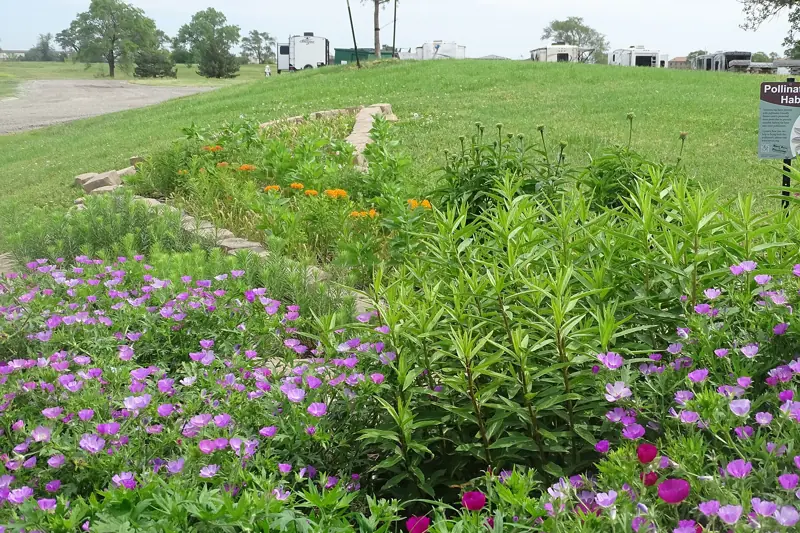
Native plants, water, shelter, nest sites and safety: a step-by-step plan for a yard birds rely on.
Bird Seed Selector
Choose a bird, season and your squirrel and mess tolerance. Get the seed and feeder to use.
How to Attract More Birds to Your Yard
Ten proven changes to attract more birds, plus guides for cardinals, bluebirds, goldfinches, woodpeckers and more.