What Birds to Expect Each Season at Your Feeder
Who arrives, who leaves and what to feed through winter, spring, summer and fall in the eastern and central U.S.
One of the pleasures of keeping a feeder year-round is that the cast of characters never stops changing. The goldfinches that were dull olive-yellow all winter brighten to lemon-yellow by May. The juncos that spent four months scratching under the feeder vanish in April and won’t be back until October. Hummingbirds and orioles return in spring on a remarkably predictable schedule.
Understanding the seasonal rhythm of your feeder turns casual watching into something more satisfying — you start anticipating arrivals, noticing absences, and tracking the same individuals across years. Here’s what to expect at each season across most of the eastern and central US, along with feeder tips to make the most of each period. (Western and coastal birders will see regional variations, but the seasonal patterns largely hold.)
Winter (December – February)
Winter is peak feeder season. Birds are under caloric stress, natural food is scarce, and your feeder can be a genuine lifeline. Traffic is often highest in the two hours after sunrise and the hour before sunset, when birds are replenishing overnight calorie losses and loading up before dark.
Who to expect:
- Dark-eyed Juncos — the “snowbirds” that arrive from northern breeding grounds in October and fill feeder areas until April; almost always on the ground or at low platform feeders
- American Tree Sparrow — a winter-only visitor across much of the northern US; rusty cap, bi-colored bill; ground feeder; often overlooked as a House Sparrow
- White-throated and White-crowned Sparrows — common and confiding; both love millet and sunflower chips; check for the distinctive face patterns to separate them
- Pine Siskin — an irruptive species that appears in large numbers some winters and is nearly absent in others; streaky brown-yellow finch; loves nyjer/thistle
- Common Redpoll — another irruptive winter finch; red forehead, streaked; follows cone crop failures south from Canada; when they appear, they arrive in flocks
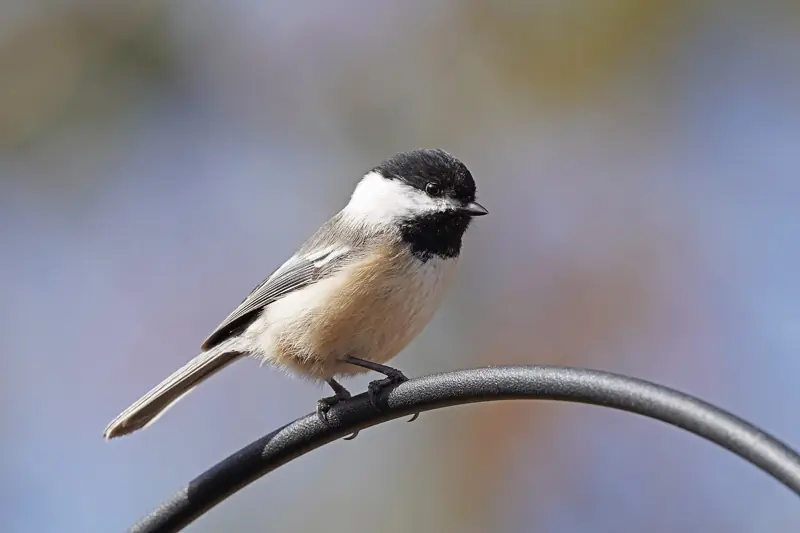
- Year-round residents — Northern Cardinals, Black-capped and Carolina Chickadees, Tufted Titmice, White-breasted Nuthatches, Downy and Hairy Woodpeckers, and American Goldfinches (in winter plumage) all remain active at feeders
Feeder tips for winter: Black-oil sunflower seed and suet are the highest-value winter offerings. Suet is especially important in very cold weather when birds need maximum calories per visit. Most birds don’t depend on feeders, but Project FeederWatch notes that food and water are most useful during extreme cold and snow. Keep feeders clear of snow and ice after storms — birds that depend on your feeder can be in trouble if it’s buried.
Spring (March – May)
Spring is the most dynamic feeder period. Winter residents depart, summer residents arrive, and waves of migrants pass through for days or weeks. The timing varies significantly by latitude — in the deep South, spring migration peaks in March and April; in the northern tier it’s May into June. Pay close attention during this window; some of the rarest birds of the year can appear at feeders during migration.
Who to expect:
- Ruby-throated Hummingbirds — arrive in the Southeast in late March, reaching the Midwest and Northeast by late April to early May; hang your nectar feeder a week before your historical first-arrival date
- Baltimore Orioles — arrive in early-to-mid May across much of the East; attracted to orange halves and grape jelly in shallow dishes; one of the most dramatic spring arrivals
- Rose-breasted Grosbeaks — spring males are stunning in black, white, and rose-red; readily visit sunflower feeders during migration; often stay to nest
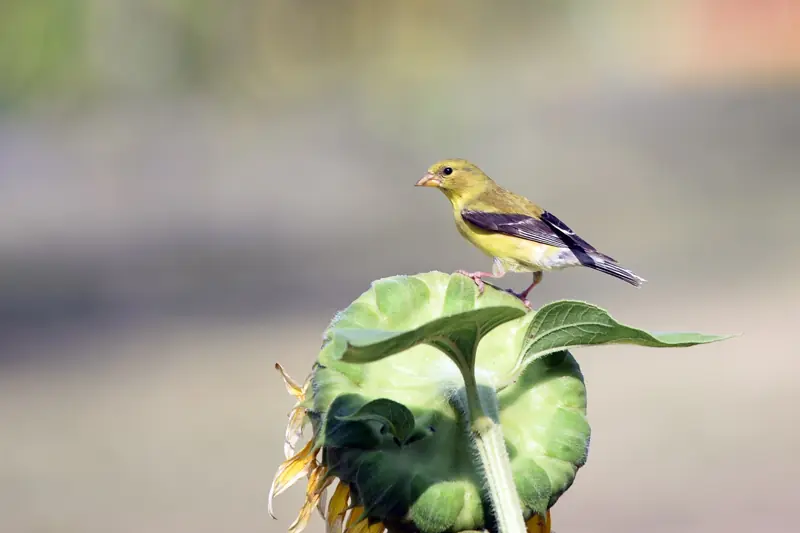
- American Goldfinches — males transition from olive winter plumage to brilliant lemon-yellow; their brightness peaks in May
- Departing winter visitors — juncos, tree sparrows, and white-throated sparrows begin leaving in March and April; some years you’ll still have juncos in early May
Feeder tips for spring: Add nectar feeders (1:4 sugar-to-water ratio, no red dye needed) and orange halves by late April at the latest. Keep nectar fresh — change it every 2–3 days in warm weather, or daily once temperatures consistently exceed 80°F, as fermented nectar can harm hummingbirds. A mealworm dish will attract bluebirds and robins that are in the area but wouldn’t otherwise visit your seed feeders.
Summer (June – August)
Feeder traffic often drops in early summer as birds shift to natural insect food and nesting duties reduce the time they spend at feeders. Don’t take this as a sign to stop feeding — species diversity at feeders often increases in summer as fledglings appear alongside adults, and hummingbird activity builds toward a late-summer peak before migration.
Who to expect:
- Ruby-throated Hummingbirds — activity peaks in August as adults and juveniles fuel up for fall migration; August is often the busiest hummingbird month of the year at eastern feeders
- American Goldfinches — late nesters; they’re often still at peak plumage and actively visiting nyjer feeders through July
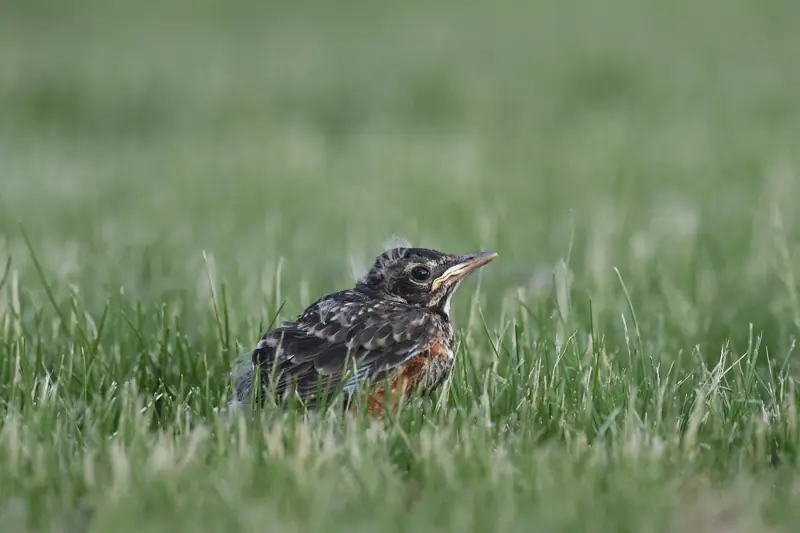
- Fledgling Cardinals, Chickadees, and House Finches — look for the scruffy, short-tailed young birds being fed by adults at the feeder; a good opportunity to observe parental behavior
- Indigo Buntings — brilliant blue males may visit feeders near woodland edges throughout summer; millet is the draw
Feeder tips for summer: Clean feeders more frequently in heat — at least every two weeks with a bleach solution, more often if you notice wet or clumped seed. Mold grows fast in humid summer conditions and can cause aspergillosis in birds. Keep nectar fresh. Offer mealworms; summer is breeding season and protein matters.
Fall (September – November)
Fall migration is longer and more diffuse than spring, but it brings an extraordinary diversity of visitors. Many birds are in drab juvenile or winter plumage, which makes fall a great opportunity to practice your identification skills. The feeder becomes an anchor point for migrants pausing to refuel.
Who to expect:
- Dark-eyed Juncos returning — typically arrive in October across most of the US; their return is one of autumn’s most reliable markers
- White-throated and White-crowned Sparrows — arrive in October with the juncos; a mixed sparrow flock working the ground under your feeder is one of fall’s great pleasures
- Purple Finches — can be numerous in fall in irruption years; easily confused with House Finch; the male’s raspberry wash (not streaky red) is the key mark
- Yellow-rumped Warblers — one of the few warblers that regularly visits feeders; look for them at suet and sunflower chips in October and November
- Ruby-throated Hummingbirds departing — keep nectar feeders up through October; late individuals are not “trapping” hummingbirds, they’re supporting birds that need the fuel
Feeder tips for fall: This is the best time of year to add a new feeder type or seed variety and see the immediate response in your species list. A nyjer tube added in September is ready for goldfinches, and for pine siskins in years when they move south. Add suet as temperatures drop in October. The Project FeederWatch season runs from November through April. Anyone can join and count feeder birds for science, and fall is a good time to sign up.
Keep your own seasonal record
These patterns are regional averages, and your yard will have its own timing. A simple notebook, eBird checklists or a camera feeder’s visit log will show your arrival and departure dates within a year or two. eBird’s bar charts show typical timing for your county, which helps you know when to put nectar and orange feeders out.
Not sure what a seasonal visitor you’ve spotted is? Use our Bird ID Helper to describe what you saw and get possible matches to check. And if you want to know how to set up your feeders for your specific region and target species, try the Feeder Setup Planner.
Keep exploring
Backyard Birds: Identify Them and Learn What They Need
Identification basics plus a quick reference to what common backyard birds eat and need.
How to Identify Backyard Birds: A Beginner’s Guide
Size and shape, color pattern, behavior, habitat and sound: the framework that makes bird ID click.
Juvenile Bird ID: How to Recognize Young Backyard Birds
Short tails, fleshy gapes, spotted breasts and begging: how to recognize the young birds of late summer.
Bird Food Guide: Seed, Suet, Mealworms & Nectar
Seed, suet, mealworms, nectar and fruit: what to buy, what to skip and how to store it.
How to Attract More Birds to Your Yard
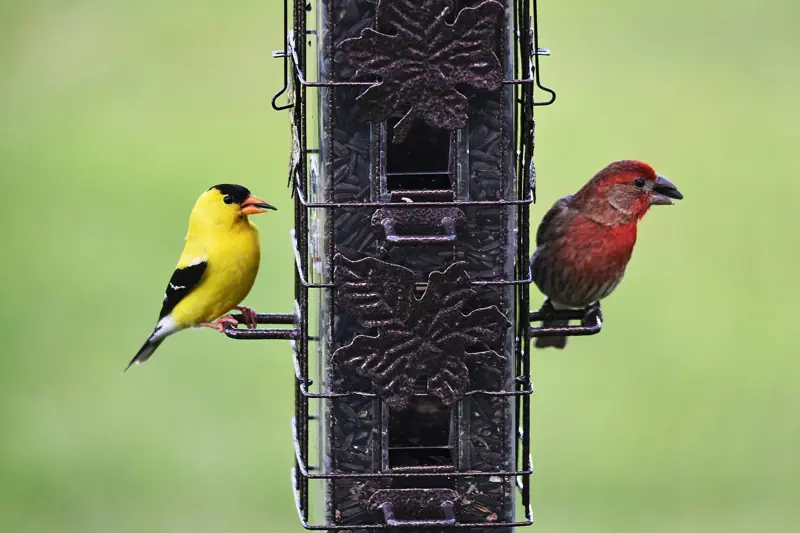
Ten proven changes to attract more birds, plus guides for cardinals, bluebirds, goldfinches, woodpeckers and more.
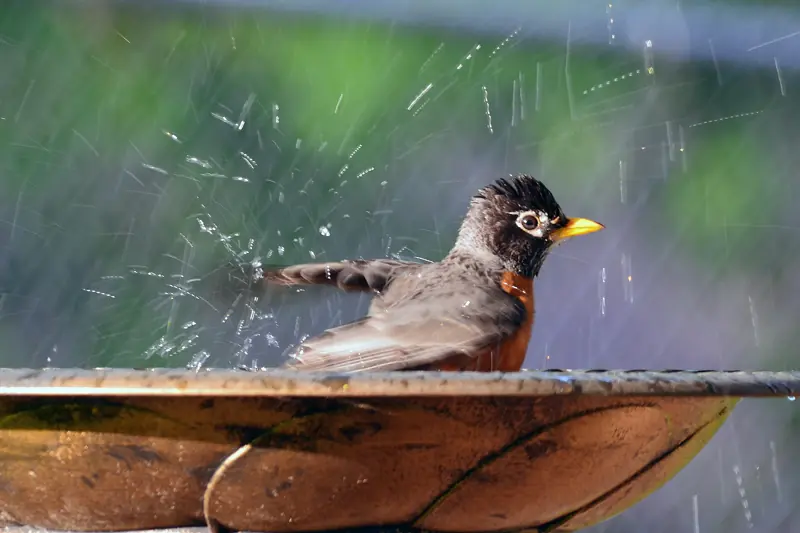
Bird Bath Guide: Setup, Placement and Seasonal Care
Depth, placement, drippers and heated baths, plus a cleaning schedule that keeps water safe.