Birdhouse & Nest Box Guide: Dimensions, Placement and Species
Hole size, box dimensions, mounting and predator protection decide who moves in and whether the young survive.
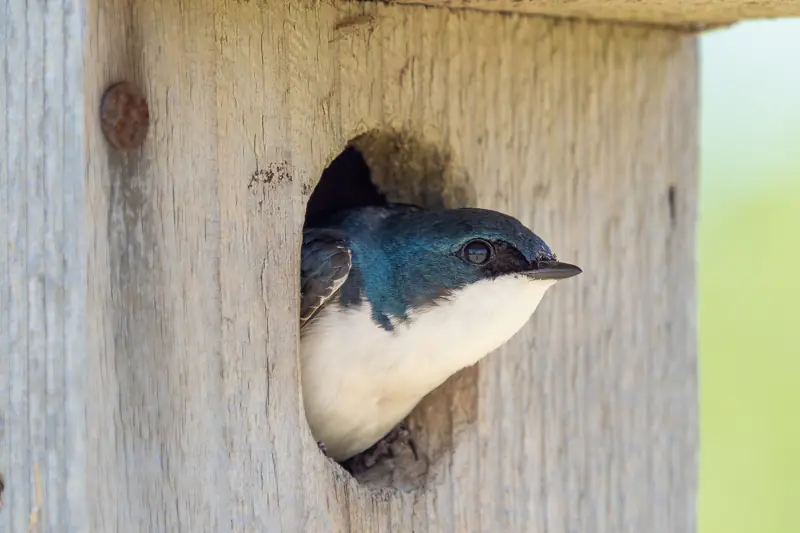
Adding a nest box to your yard transforms your relationship with backyard birds. Watching birds at a feeder is enjoyable; watching a pair of bluebirds or chickadees raise a family 15 feet from your window is something else entirely. A well-placed nest box can keep the same pair of birds in your yard from March through August, providing months of observation and a strong reason to keep your yard bird-friendly year after year.
The catch: birdhouse design is not one-size-fits-all. Different species have very specific requirements for entrance hole diameter, interior floor size, and mounting height. The wrong dimensions won’t just fail to attract target species — they may make the box dangerous by letting in predators or competing species.
Many decorative birdhouses sold in garden centers break these rules. They have perches under the hole, no drainage or ventilation, no way to open them for cleaning, and are often mounted on fence posts that predators can climb. If a box has stayed empty for seasons, check it against the list below first.
The Essential Birdhouse Design Rules
Before getting into species-specific dimensions, these rules apply to all good nest boxes:
- No perch below the entrance hole. Cavity-nesting birds don’t need them and perches only give predators and House Sparrows a foothold. Remove any pre-installed perch if you buy a commercial box.
- Drainage holes in the floor. At least two 1/4” holes in the corners of the floor prevent water buildup that can drown eggs or young.
- Ventilation gaps at the top of side walls. Small gaps (1/4” to 1/2”) between side walls and roof allow airflow and prevent overheating in direct sun.
- Access door for monitoring and cleaning. A hinged or removable side panel lets you check progress and clean out old nests at end of season.
- Rough interior walls or saw kerfs below entrance hole. Fledglings need to grip the interior wall to exit. Smooth interiors trap young birds.
- Untreated wood. Cedar, redwood, or pine. No stain, paint (exterior), or pressure treatment. Natural weathering is fine and preferable.
- No metal roofs. Metal roofs conduct heat and can overheat nestlings in summer. Thick wood or shingled roofs are better.
Species-Specific Dimensions
Eastern Bluebird
Bluebirds have very specific requirements and are the most studied nest box species in North America thanks to decades of bluebird trail management. Cornell Lab’s NestWatch program maintains the most comprehensive nest box resource available and is worth bookmarking for any cavity-nesting project.
- Entrance hole diameter: 1.5” (larger holes can admit European starlings)
- Interior floor: 5” × 5”
- Entrance height above floor: about 6–8”
- Mounting height: 4–6 feet on a smooth metal pole with a predator baffle
- Placement: Open areas — fields, meadows, woodland edges; 100+ feet from heavy forest; face away from prevailing weather
- Notes: Monitor weekly during nesting season; remove House Sparrow nests immediately; mount on pole (not tree) to deter predators
Black-Capped / Carolina Chickadee
- Entrance hole diameter: 1.125” (Black-capped), 1.125” (Carolina)
- Interior floor: 4” × 4”
- Interior depth: 8–10”
- Mounting height: 4–15 feet; on a tree trunk or post at woodland edge
- Placement: Woodland edges, near large trees, light to moderate shade acceptable
- Notes: Chickadees excavate their own nesting cavity from soft wood; fill box with wood shavings (not sawdust) — they’ll excavate them out, which encourages adoption
House Wren
- Entrance hole diameter: 1.125” to 1.25”
- Interior floor: 4” × 4”
- Interior depth: 6–8”
- Mounting height: 4–10 feet; can hang from a tree branch or mount on a post
- Placement: Near shrubby cover and brush piles; partial shade; near but not in dense forest
- Notes: Wrens are aggressive and will fill competing nest boxes with sticks to prevent other species from using them; site wren boxes well away from bluebird boxes
Tree Swallow
- Entrance hole diameter: 1.5”
- Interior floor: 5” × 5”
- Interior depth: 6–8”
- Mounting height: 4–8 feet on a smooth pole
- Placement: Open areas near water; fields; lawn edges; same general habitat as bluebirds — the two species coexist well when boxes are spaced 25+ feet apart
Downy and Hairy Woodpecker
- Entrance hole diameter: 1.25” (Downy), 1.5” (Hairy)
- Interior floor: 4” × 4” (Downy), 6” × 6” (Hairy)
- Interior depth: 8–12”
- Mounting height: 8–20 feet on a dead tree or rough-textured post
- Fill with wood shavings — woodpeckers will excavate out
- Notes: Woodpeckers prefer boxes mounted on existing dead snags; a dead limb or rough post mimics natural conditions better than a smooth pole
Screech Owl
- Entrance hole diameter: 3”
- Interior floor: 8” × 8”
- Interior depth: 12–15”
- Mounting height: 10–30 feet on a large tree trunk
- Placement: Mature trees in wooded areas or large suburban lots; near open lawn for hunting
- Notes: Add 2–3 inches of wood shavings or dry leaves to the floor; owls don’t add nesting material. Screech owl adoption can take 1–2 years — be patient.
Predator Protection
A nest box without predator protection can do more harm than good. Raccoons, snakes, cats, squirrels, and rat snakes can reach eggs and nestlings in any box they can access.
- Smooth metal mounting poles prevent climbing predators better than any other mounting method
- Dome predator baffles mounted at 4 feet on the pole stop raccoons and cats from reaching the box
- Extended entrance hole protector — a 3/4” thick wooden block with the same entrance hole diameter extended outward 1.5”–2” prevents raccoons from reaching in to grab eggs or nestlings
- Never mount boxes on fence rails — gives easy access to every predator that can walk along a fence
Monitoring and Maintenance
Monitor boxes weekly once nesting begins. If you see a House Sparrow nest (loose grass, feathers, and plastic waste), remove it immediately and continue monitoring. House Sparrows are invasive, non-protected species and compete aggressively with native cavity nesters.
After the nesting season (once you’re confident the box has been vacated, usually late August to September), remove the old nest completely, scrub the box with a 10% bleach solution, rinse, and let dry before the following season. Old nests harbor parasites like blowfly larvae that harm subsequent broods if left in place.
Buying a ready-made box
If you’d rather not build, look for a box listed for your target species with the correct hole size, no perch, a side or front panel that opens, drainage and ventilation, and untreated wood or durable recycled plastic. Pair it with a smooth pole and a baffle rather than a fence or tree trunk.
Monitoring doesn’t require opening the box constantly: a quick weekly check is enough. NestWatch explains how to check boxes safely and lets you submit your observations as citizen-science data.
Quick Dimensions Reference
| Species | Hole diameter | Floor | Depth | Mount height |
|---|---|---|---|---|
| Eastern bluebird | 1.5” | 5” × 5” | 6–8” | 4–6 ft |
| Chickadee | 1.125” | 4” × 4” | 8–10” | 4–15 ft |
| House wren | 1.125–1.25” | 4” × 4” | 6–8” | 4–10 ft |
| Tree swallow | 1.5” | 5” × 5” | 6–8” | 4–8 ft |
| Downy woodpecker | 1.25” | 4” × 4” | 8–12” | 8–20 ft |
| Eastern screech-owl | 3” | 8” × 8” | 12–15” | 10–30 ft |
Dimensions are commonly recommended ranges. Confirm against NestWatch’s species plans before building.
For more on creating nesting habitat through planting, see our bird-friendly backyard guide. And use our Bird ID Helper to confirm which cavity-nesting species are likely in your area.
Keep exploring
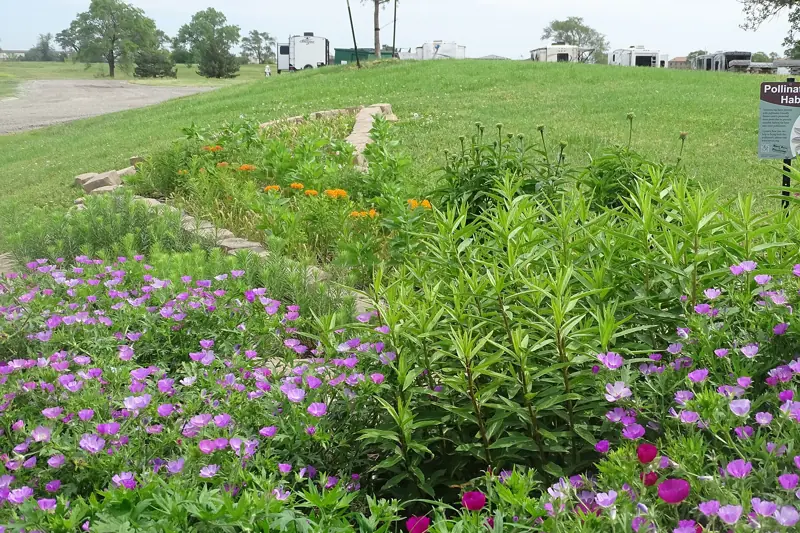
How to Create a Bird-Friendly Backyard
Native plants, water, shelter, nest sites and safety: a step-by-step plan for a yard birds rely on.
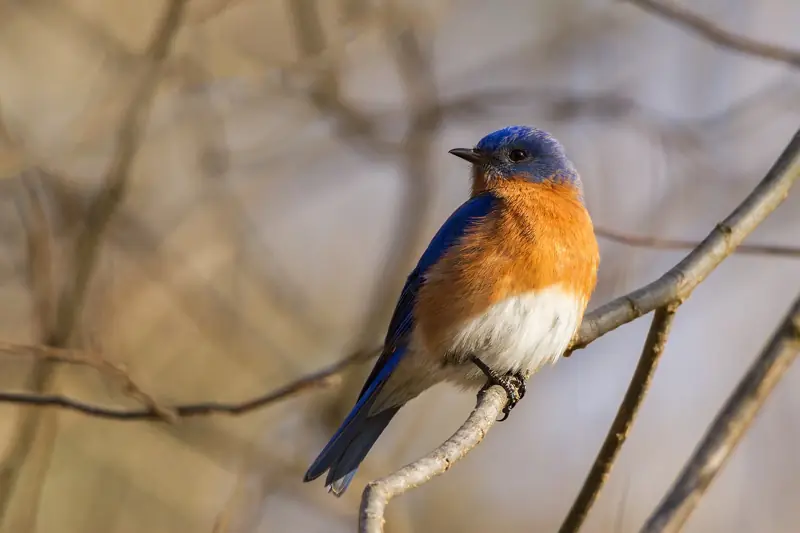
How to Attract Bluebirds to Your Yard
Mealworms, berry plants, open lawn and the right nest box: what bluebirds need.
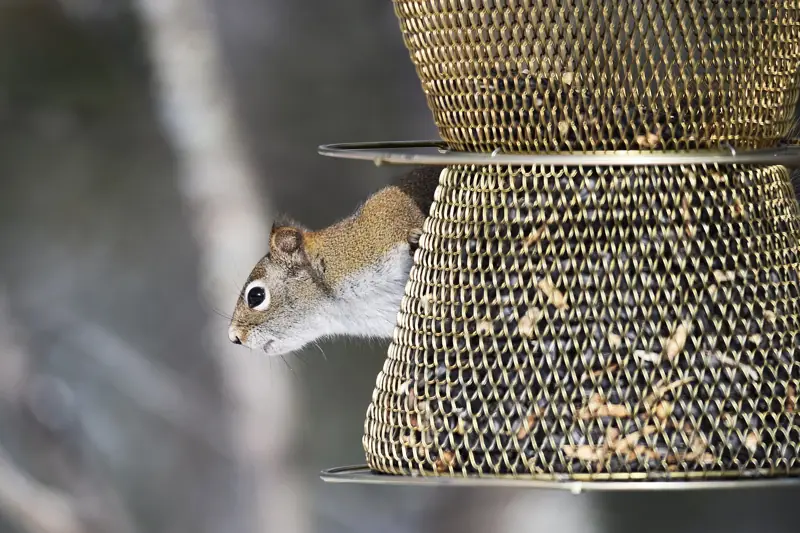
Bird Feeder Poles and Squirrel Baffles
Pole systems, dome vs. stovepipe baffles, mounting heights and the accessories worth adding.
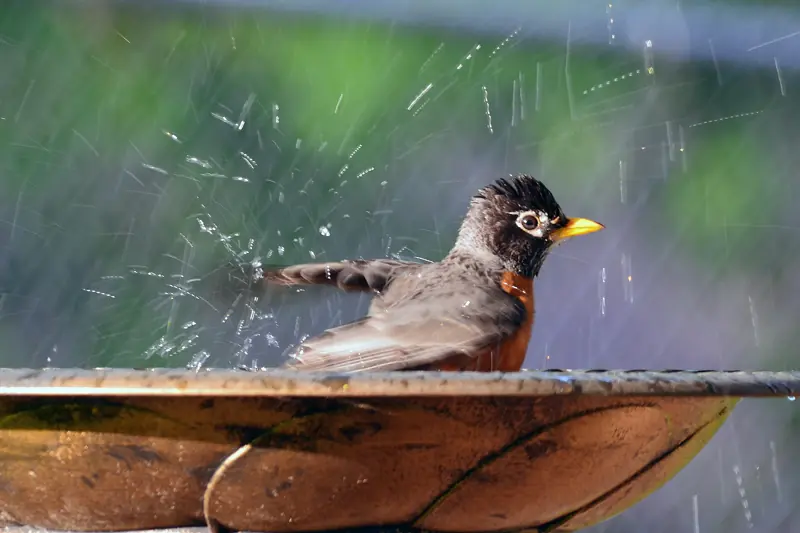
Bird Bath Guide: Setup, Placement and Seasonal Care
Depth, placement, drippers and heated baths, plus a cleaning schedule that keeps water safe.
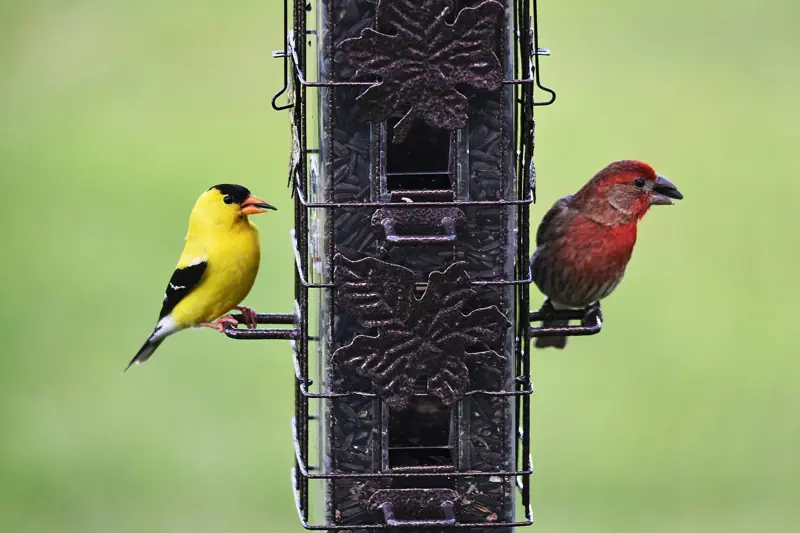
How to Attract More Birds to Your Yard
Ten proven changes to attract more birds, plus guides for cardinals, bluebirds, goldfinches, woodpeckers and more.
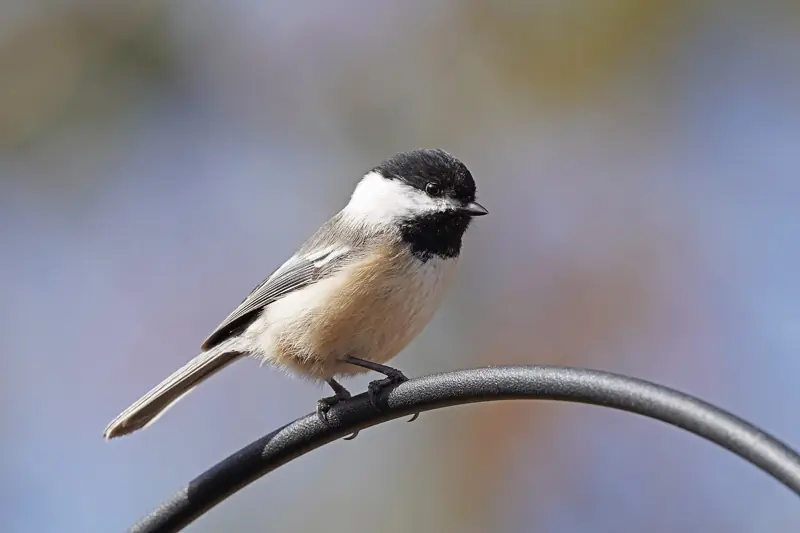
What Birds to Expect Each Season at Your Feeder
Winter finches, spring migrants, summer fledglings and fall arrivals, with feeding tips for each season.