The Beginner’s Guide to Backyard Bird Feeding
Start with one good feeder and the right seed. Then add placement, cleaning and water, and your yard list will grow.
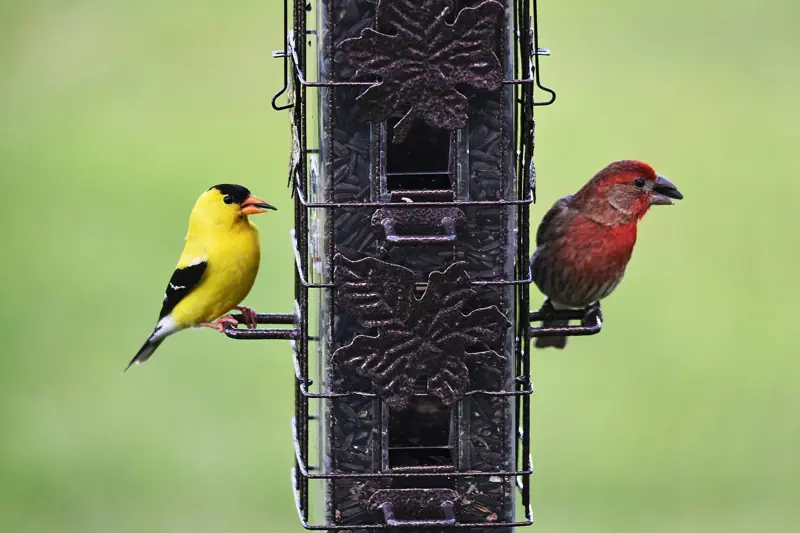
Backyard bird feeding is one of those hobbies that sounds simple on the surface — hang a feeder, fill it with seed, watch birds — but quickly reveals layers of nuance that make it genuinely interesting. Which feeder type matters enormously. Seed selection changes everything. Placement determines whether birds even find you. And once you start paying attention, the species diversity in even a modest suburban yard can be surprising.
This guide covers everything you need to get started, make smart initial decisions, and avoid the common mistakes that keep beginners from seeing good results.
A classic beginner setup is a hopper full of inexpensive mixed seed in the middle of an open lawn. It often draws mostly house sparrows and blackbirds. Two changes usually help most: switch to black-oil sunflower, and move the feeder within about 10–15 feet of shrubs or trees.
Step 1: Choose Your First Feeder
The most common beginner mistake is buying the cheapest feeder available or choosing based on looks alone. Feeder design directly affects which birds can use it, how easy it is to maintain, and how long it lasts. Here’s a practical starting point:
The Best First Feeder: A Hopper (House) Feeder
A hopper feeder — the classic pitched-roof design with a seed reservoir and tray below — is the most versatile starting point. It accommodates a wide range of bird sizes, holds a good volume of seed, and protects seed from rain better than an open platform. Look for:
- Metal or thick-walled polycarbonate construction (squirrels chew through thin plastic)
- Capacity of at least 4–6 cups of seed (smaller feeders require daily refilling)
- A wide tray with drainage holes to prevent seed rot
- Easy-access lid for refilling
Compare specific models in our best bird feeders guide.
Add a Tube Feeder for Smaller Species
Once your hopper is established, a tube feeder with small ports and short perches is a great second feeder. It attracts goldfinches, house finches, pine siskins, and other small seed-eaters that may not compete well at a larger hopper. Fill a tube feeder with nyjer (thistle) seed for the best small-bird response.
Consider a Platform Feeder
A flat platform feeder with a screen bottom (for drainage) attracts ground-feeding species like Mourning Doves, Juncos, White-throated Sparrows, and towhees that don’t use tube or hopper feeders well. It also accommodates larger birds that can’t land comfortably on a hopper tray.
Step 2: Seed Selection — Start with These Three
Walk into any birding or garden store and you’ll find dozens of seed options. As a beginner, start with these three; they cover the widest range of species and give you the best return on investment.
Black Oil Sunflower Seed: The Universal Seed
If you only buy one seed, make it black oil sunflower. Its thin shell is easy for birds to crack, the high fat content makes it a high-value food source, and it attracts an enormous range of species: cardinals, chickadees, nuthatches, titmice, finches, grosbeaks, woodpeckers, and many more. It should be your hopper feeder staple.
Nyjer (Thistle) Seed: The Finch Magnet
Nyjer is a tiny, oil-rich seed, mostly imported and heat-treated so it won’t sprout. It’s the preferred food of American Goldfinches, Lesser Goldfinches, Pine Siskins, and Common Redpolls. Serve it in a nyjer tube with tiny ports or a fine mesh feeder. Standard tube ports are too large, and the seed spills. Buy small quantities, because finches ignore nyjer once it dries out.
Safflower: The Cardinal Seed (That Squirrels Skip)
White safflower seeds are a top choice for Northern Cardinals and also attract chickadees and House Finches. Many squirrels, house sparrows and starlings eat less of it than sunflower, though it isn’t squirrel-proof. See our detailed seed guide for the full breakdown.
Seeds to Avoid Early On
Inexpensive “wild bird mixes” are often bulked up with milo, wheat, oats and red millet. Most feeder birds in the East pick these out and drop them on the ground, where they rot or feed rodents. (White proso millet is different: sparrows, juncos and doves eat it readily.) For the same money, straight black-oil sunflower or a mix built around sunflower usually gets more use. Project FeederWatch has a good overview of which birds eat which foods.
Step 3: Placement — The Overlooked Factor
Where you put your feeder matters as much as what’s in it. Birds need to feel safe enough to approach, and feeder placement directly affects both species diversity and activity level.
The Basic Rules
- Near cover but not in it: Place feeders within 10–15 feet of a tree, dense shrub, or brush pile. Birds need a perch to observe from before approaching, and somewhere to escape to when startled. Feeders in the open middle of a lawn see much less activity.
- Safe window distance: Either within 3 feet of a window (birds can’t build up dangerous speed) or more than 30 feet away. The dangerous zone is 3–30 feet — birds see reflected sky in the glass and fly directly into it. See our full feeder placement guide for more detail.
- Visible from inside: The whole point is to enjoy the birds. Place feeders where you can see them from a frequently used window — kitchen, living room, home office.
Height
Most tube and hopper feeders work best at 5–6 feet off the ground. Platform feeders can go lower (2–3 feet) for ground-feeding species. Hummingbird feeders should be at eye level, out of direct sun, and near tubular flowers if possible.
Step 4: Maintain the Feeders
This is where many beginners fail. A feeder full of wet, moldy seed is worse than an empty feeder — moldy seed can make birds sick. Basic maintenance:
- Check seed every 3–5 days in wet or warm weather; wet seed clumps and molds fast
- Clean feeders about every two weeks, more often in wet weather or if you see sick birds. Scrub, soak in a dilute bleach solution (about 1 part bleach to 9 parts water), rinse thoroughly and dry before refilling.
- Empty and dry after rain if your feeder lacks good drainage or a roof
- Keep the area below the feeder clean — fallen seed and hulls can harbor disease; rake or clean monthly
Our full guide on how to clean a bird feeder walks through the complete process.
Step 5: Add Water
A clean, shallow bird bath often brings in more new species than a second feeder. Many bird species that don’t visit seed feeders at all will reliably visit a birdbath: warblers, thrushes, catbirds, wrens, and others. Keep water no more than 2 inches deep at the center, change it every 2–3 days, and clean the basin weekly.
A dripper or small pump that keeps the water moving is a worthwhile upgrade, because birds notice the sound and sparkle. See our complete bird bath guide for setup and seasonal tips.
Step 6: Learn to Identify What You’re Seeing
Bird feeding and bird identification go hand in hand. The more species you can recognize, the more satisfying and educational the hobby becomes. Our beginner’s bird identification guide covers the five key features to look for; our Bird ID Helper tool lets you describe what you’re seeing and get possible matches with the field marks to confirm them. Cornell Lab’s All About Birds is also the best free reference for range maps, calls, and species accounts.
Step 7: Consider a Smart Feeder
Once you’re hooked, a camera (smart) feeder can record visitors while you’re away and suggest species with AI. It’s optional. A regular feeder near a window gives you plenty to watch. If you’re curious, do you need a smart bird feeder? covers who benefits, and our smart feeder comparison covers Birdfy, Bird Buddy and other brands, including which require subscriptions.
Common Beginner Mistakes (and How to Avoid Them)
- Starting with cheap mixed seed: Spend more on straight black oil sunflower instead — you’ll see more birds and waste less
- Placing the feeder in the open: move it within about 10–15 feet of cover so birds feel safe approaching
- Quitting after a slow first week: It takes 1–4 weeks for birds to find a new feeder; be patient
- Skipping cleaning: moldy seed and dirty feeders can spread disease; clean every couple of weeks
- No water source: a bird bath brings in species that don’t eat seed
- One feeder only: different feeder types and foods attract different species, so a second, different feeder widens the mix
What to Expect: A Realistic Timeline
- First days to weeks: low activity while birds discover the feeder; chickadees, sparrows and doves are often first
- Weeks 2–4: regular visitors settle in; titmice, finches and nuthatches often follow
- Month 2 and later: regulars become predictable, and new species follow the activity; many birds notice where others are feeding
- First year: your list will change with the seasons as migrants pass through and winter birds arrive. See birds by season.
Keep exploring
Best Bird Feeders by Type
Research-based picks for tube, hopper, platform, finch, suet, window and squirrel-proof feeders.
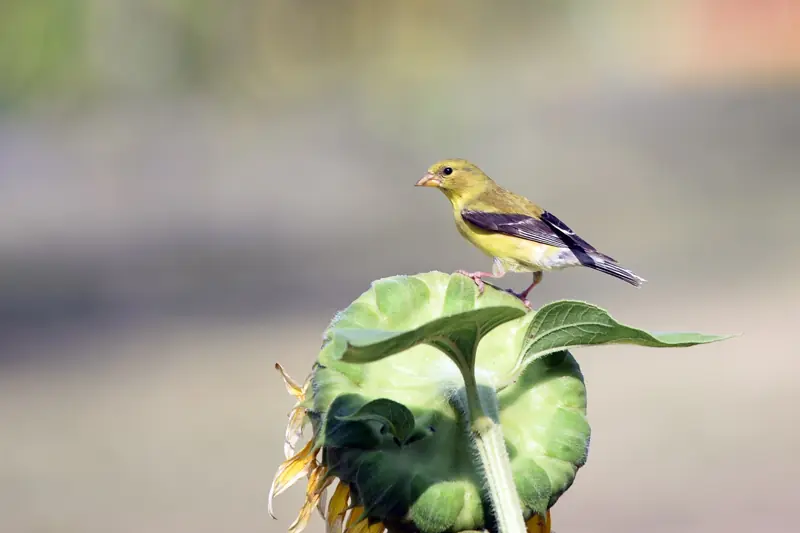
What Bird Seed Attracts Which Birds? Complete Backyard Guide
Which birds eat sunflower, nyjer, safflower, suet, peanuts and millet, with the right feeder for each.
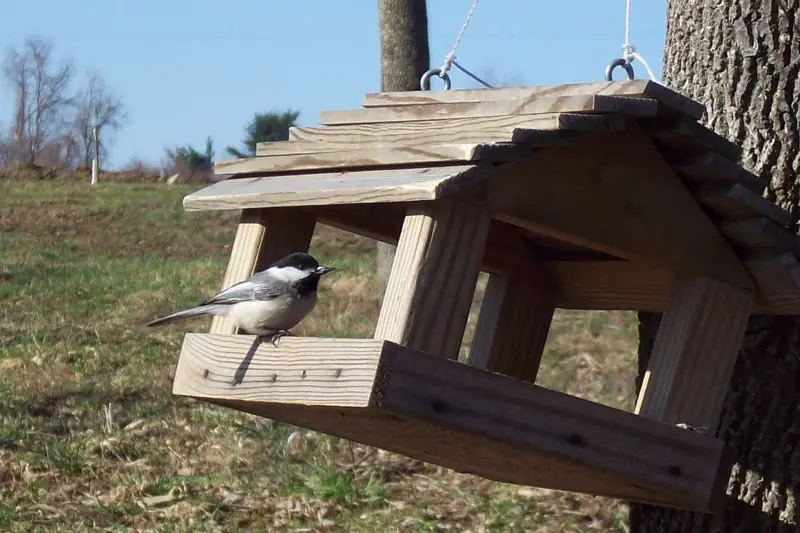
Bird Feeder Placement Guide: Where to Hang Your Feeders
Distance from cover, the 3-foot/30-foot window rule, height by feeder type and squirrel clearance.
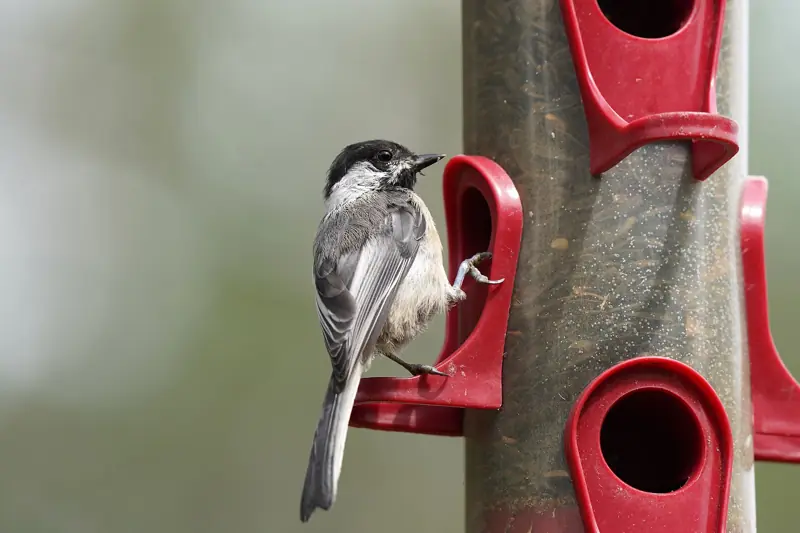
How to Clean a Bird Feeder: Step-by-Step Guide
How often to clean each feeder type, the right solution and a step-by-step routine.
Bird Seed Selector
Choose a bird, season and your squirrel and mess tolerance. Get the seed and feeder to use.
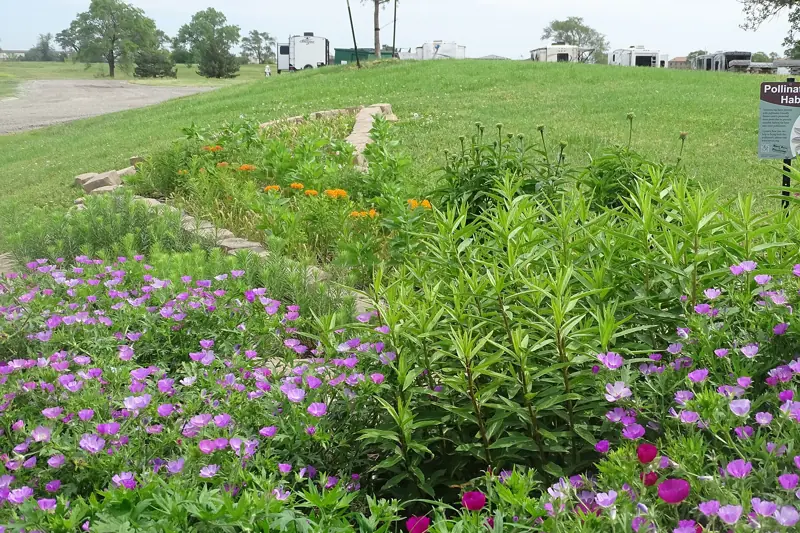
How to Create a Bird-Friendly Backyard
Native plants, water, shelter, nest sites and safety: a step-by-step plan for a yard birds rely on.